
The foods that could fuel inflammation and lead to major health problems



Inflammation can be a vital part of your immune system, helping to fight off foreign invaders and stimulate healing. However, it can also have major negative effects and cause serious harm.
In fact, chronic sustained inflammation in the body can cause everything from diabetes and arthritis to heart disease and cancer. If you’re suffering from chronic pain, take a look at what you’re eating. Surprisingly, the foods you consume can have a major effect on inflammation in your body.
Starts at 60 chatted with nutritionist and naturopath Nicola Miethke, from Nuzest, to find out what foods cause inflammation and the ones to be avoided.
“If these foods become a regular part of our diet they can cause chronic, sustained inflammation that can be very harmful to the body,” Miethke explained.
A new research link to arthritis specifically
Since we first covered this topic, a significant new study has strengthened the connection between diet and inflammation-related conditions in older adults. Published in the American Journal of Preventive Medicine, researchers from Johns Hopkins Bloomberg School of Public Health analysed US national health survey data and found a clear association between higher intake of ultra-processed foods and self-reported arthritis, including both osteoarthritis and rheumatoid arthritis.
Ultra-processed foods – typically packaged products high in fat, salt, sugar and food additives, and put through extensive industrial processing – overlap heavily with several of the categories below, including refined carbohydrates, added sugars and trans fats. Given how common arthritis and joint pain are among Australians over 60, this is a particularly relevant finding: the foods explored in this article aren’t just a general wellness concern, they may be directly connected to one of the most common health complaints in this age group.
Histamine-rich foods
Many people will be familiar with relentless sneezing, itchy eyes and a runny nose, and if you’re prone to seasonal allergies, consuming histamine-rich foods could trigger these symptoms more than ever.
Certain foods that naturally contain histamines include avocado, eggplant, cured meats, aged cheese and fermented foods and drinks such as kombucha, kefir, sauerkraut, wine and beer.
“Limiting foods which are pro-inflammatory can help support your immune system, especially as it works hard to reduce the effects of pollens or irritants,” Miethke said.
Refined carbohydrates
Refined carbohydrates are very low in fibre, vitamins and minerals and are often considered “empty carbs”. The main sources include white bread, white pasta, crackers, savoury biscuits, white flour, bagels and corn chips.
“Diets high in refined carbohydrates contribute to the inflammatory response and reduce our body’s ability to build the foundations of a strong immune system,” Miethke explained.
Trans fats
To reduce the risk of heart disease, stroke, diabetes and other chronic conditions, limit trans fats as much as possible, Miethke advised. They can be found in fast foods, frozen pizza, margarine, doughnuts, store-bought cakes and biscuits.
And despite what we’ve heard for years, consuming vegetable oil isn’t that healthy either. Oils such as canola, sunflower and rice bran are loaded with unhealthy fats and may cause severe health problems.
Sugar
It’s no secret that eating too much sugar can have many negative health effects. In fact, it can also increase inflammation in your body and may lead to insulin resistance, both of which increase cancer risk. Meanwhile, sugar also suppresses the immune system, making us more vulnerable to infectious diseases.
We all know foods like desserts, soft drinks and confectionary contain high levels of sugar, however many foods that seem healthy like yoghurt or cereal are actually riddled with sugar too.
Artificial sweeteners
Trying to go sugar-free? Many people turn to artificial sweeteners in a bid to reduce the amount of sugar they consume, but they aren’t as healthy as you think. In fact, if you have a lot of pain, they may actually be worse for you.
Artificial sweeteners are found in thousands of products such as fat-free yoghurt, flavoured water, breath mints, diet soft drinks and desserts.
Processed and red meat
Processed meats – think bacon, ham, salami and sausages – along with excessive red meat consumption more broadly, are consistently linked to increased inflammatory markers in the body. Processed meats in particular tend to be high in sodium and preservatives, both of which have been associated with worsening inflammation over time. This doesn’t mean cutting red meat out entirely, but moderating your intake and choosing fresh, unprocessed cuts where possible is a sensible step.
Alcohol
While some alcoholic drinks like wine and beer are already noted above for their histamine content, alcohol carries its own separate inflammatory impact regardless of histamine levels. Regular or excessive alcohol consumption has been shown to trigger inflammatory responses in the gut and liver, and can compound the effects of the other inflammatory foods on this list. Moderation is key if inflammation is a genuine concern for you.
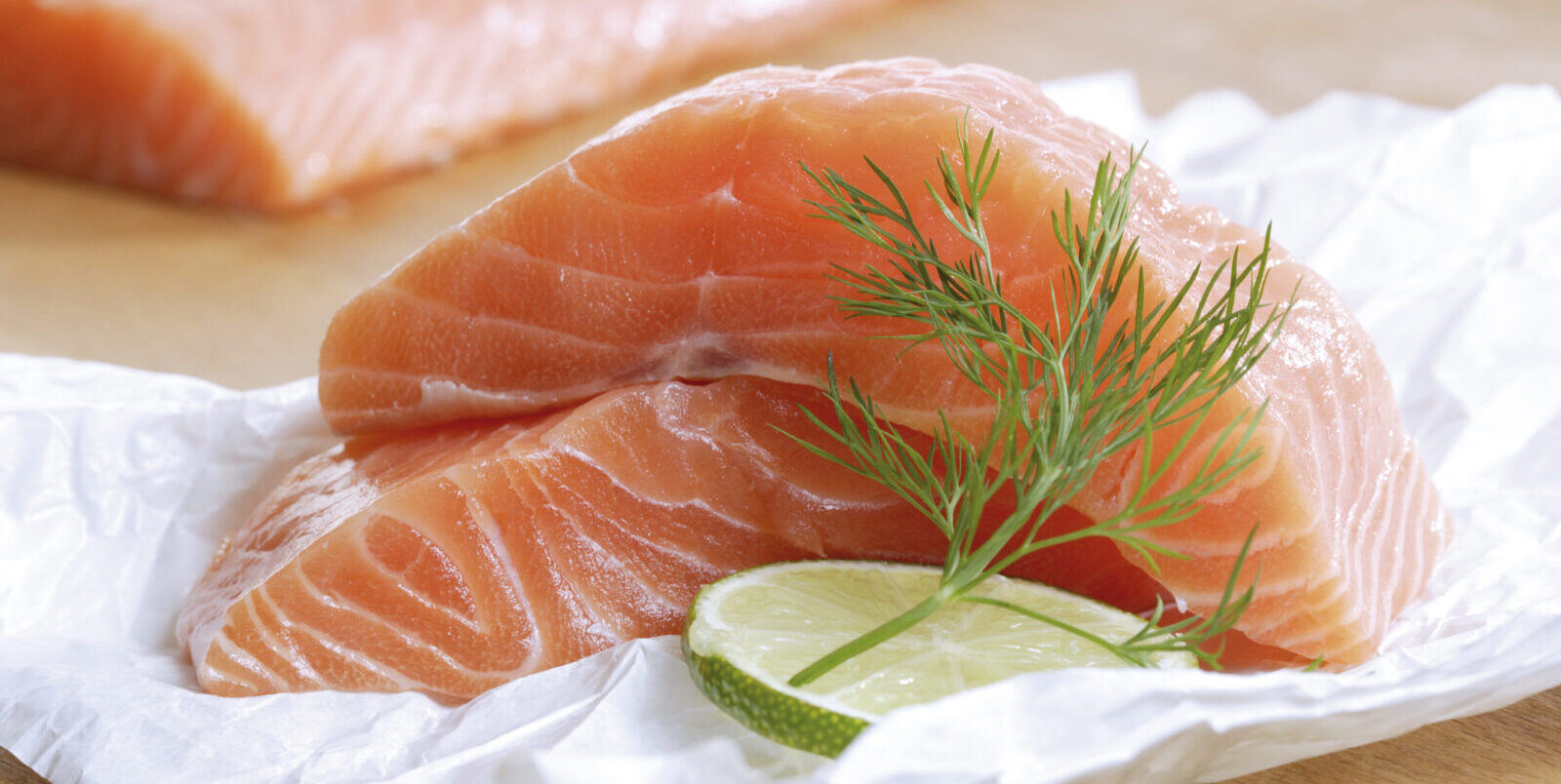
What to eat instead: foods that help fight inflammation
Avoiding the foods above is only half the picture. A number of everyday foods have well-documented anti-inflammatory properties and are worth actively building into your diet:
- Oily fish such as salmon, mackerel and sardines, rich in omega-3 fatty acids
- Leafy greens like spinach and kale, packed with antioxidants
- Berries, particularly blueberries and strawberries, high in antioxidant compounds
- Extra virgin olive oil, a cornerstone of the anti-inflammatory Mediterranean diet
- Nuts, especially walnuts and almonds
- Turmeric and ginger, both long used for their anti-inflammatory properties
- Fresh vegetables and whole grains generally, in place of the refined, processed alternatives listed above
Shifting the balance of your diet toward these whole, minimally processed foods, rather than focusing purely on elimination, tends to be a more sustainable and genuinely effective long-term approach.
The solution
If inflammation is a problem for you, try limiting your consumption of the foods that trigger it as best you can, while actively incorporating more anti-inflammatory options into your meals. In addition to a balanced diet, regular exercise and plenty of good-quality sleep remain essential for a healthy immune system and for managing chronic inflammation over the long term.
This article was originally published on December 27, 2018, and has been updated with the new research.
IMPORTANT LEGAL INFO This article is of a general nature and FYI only, because it doesn’t take into account your personal health requirements or existing medical conditions. That means it’s not personalised health advice and shouldn’t be relied upon as if it is. Before making a health-related decision, you should work out if the info is appropriate for your situation and get professional medical advice.
IMPORTANT LEGAL INFO This article is of a general nature and FYI only, because it doesn’t take into account your personal health requirements or existing medical conditions. That means it’s not personalised health advice and shouldn’t be relied upon as if it is. Before making a health-related decision, you should work out if the info is appropriate for your situation and get professional medical advice.





 Proudly Australian owned and operated
Comments 1
Join the conversation. Comments are reviewed before they appear.
What wasn`t mentioned is GM Foods. Australia has followed america and has too much
GM foods, unless one buy organic, or grows their own. So many crops, wheat, veges and now cattle being feed designed food in Feed lots, in a pen standing in their own `shit` no grass, and just water and designed food. Chooks, feed special food to make them grow/fatten, quicker, for the market.
Join the conversation
Tell us who you are to post a comment. We'll remember you next time.