
Why exercise is even more important in winter: 5 health benefits for older Australians



As temperatures drop across Australia, it can be tempting to swap morning walks for a cosy blanket and spend more time indoors.
But while winter often makes us feel like slowing down, staying active during the colder months could be one of the best things you can do for your health.
Regular exercise doesn’t just help maintain fitness. It can strengthen your immune system, support mental wellbeing, improve sleep, help maintain healthy vitamin D levels and keep you socially connected.
For older Australians, remaining active during winter is particularly important, helping to reduce the risk of chronic disease while supporting strength, mobility and independence.
Here are five reasons not to hibernate this winter.
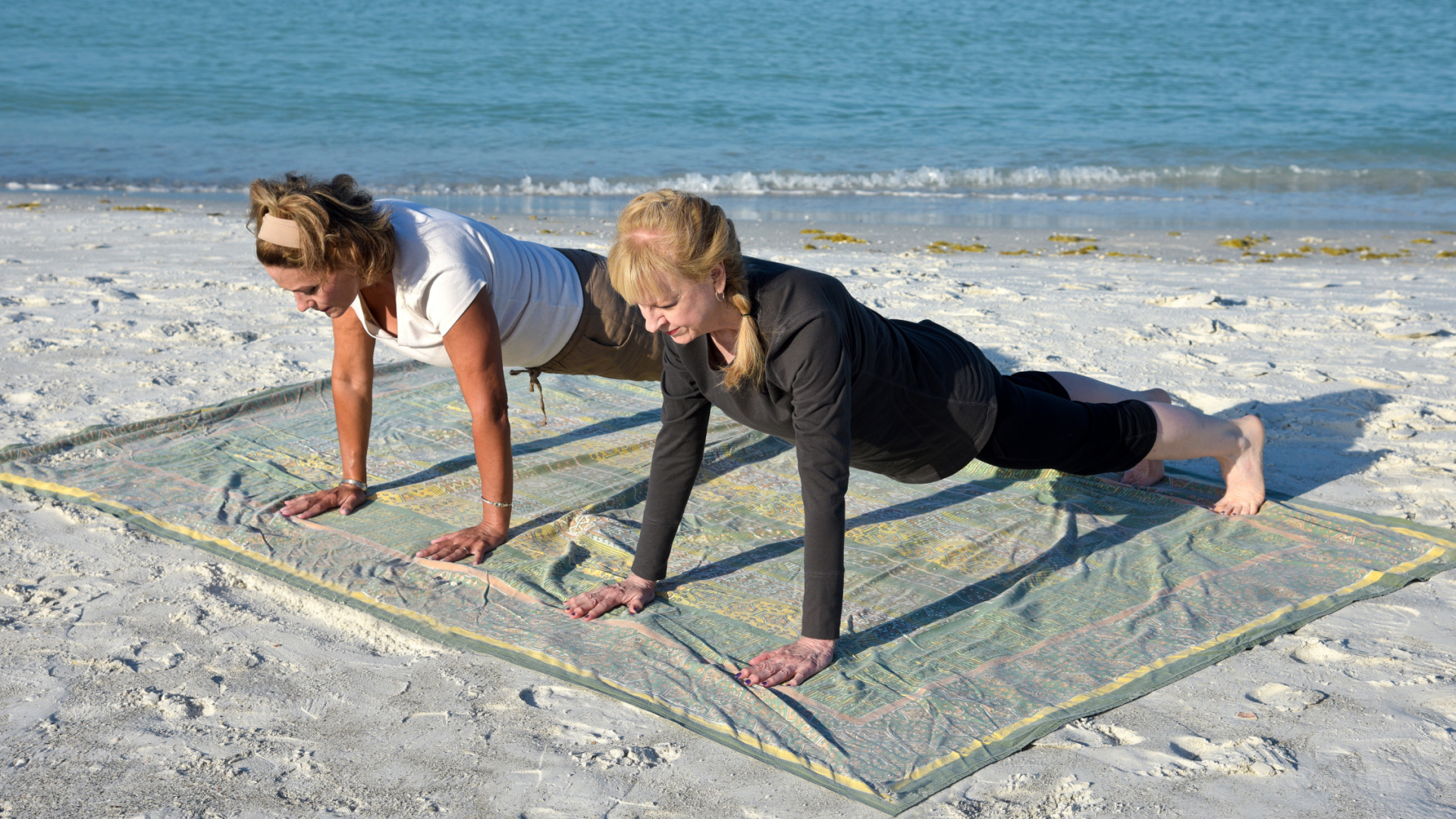
1. Exercise can help support your immune system
Winter is often associated with colds, flu and other seasonal illnesses. While exercise won’t make you immune to viruses, regular physical activity helps support healthy immune function and can reduce inflammation throughout the body.
Exercise also plays an important role in managing health conditions such as high blood pressure, heart disease and type 2 diabetes.
Health experts generally recommend aiming for at least 30 minutes of moderate exercise on most days of the week, whether that’s walking, cycling, swimming or gardening.
The key is consistency.
2. Staying active helps maintain strength and mobility
As we age, maintaining muscle strength becomes increasingly important.
Regular exercise helps preserve muscle mass, supports bone health and improves balance, reducing the risk of falls and injuries.
While heading outdoors may require an extra layer or two during winter, the benefits are worth it.
A warm jacket, comfortable walking shoes and a hat can make outdoor exercise enjoyable even on chilly mornings.
The alternative – spending long periods sitting indoors – can contribute to stiffness, reduced mobility and lower energy levels.
3. Winter sunshine provides valuable vitamin D
Vitamin D plays an essential role in maintaining healthy bones, supporting muscle function and helping the immune system work properly.
Although vitamin D can be obtained through foods such as oily fish, eggs and fortified dairy products, sunlight remains one of the most important sources.
During winter, many Australians spend less time outdoors, increasing the risk of low vitamin D levels.
Even a short walk outside can provide valuable exposure to sunlight while also delivering the benefits of exercise.
In addition, time outdoors has been linked to improved mood and reduced feelings of stress and anxiety.
4. Physical activity can improve sleep quality
Many people find their sleep patterns change during winter.
Shorter daylight hours, reduced activity levels and spending more time indoors can all affect the body’s natural sleep-wake cycle.
Regular exercise has been shown to improve sleep quality, helping people fall asleep more easily and enjoy deeper, more restorative rest.
While a daytime nap can be tempting on a cold afternoon, too much daytime sleeping can sometimes make it harder to sleep well at night.
Staying active during the day can help maintain a healthy routine.
5. Exercise is a great way to stay socially connected
Physical activity doesn’t have to be a solo pursuit.
Meeting friends for a morning walk, joining a local exercise group or taking part in community activities can help combat feelings of loneliness and isolation during the colder months.
Social connection is increasingly recognised as an important factor in healthy ageing, supporting both mental and physical wellbeing.
Combining exercise with social interaction offers the best of both worlds.
The bottom line
It’s easy to ease off exercise during winter, but doing so can make it harder to stay healthy, motivated and active.
By continuing to prioritise movement throughout the colder months, older Australians can support their physical health, improve their mood, maintain independence and enter spring feeling stronger and more energised.
A brisk walk, a gardening session or even a catch-up with friends outdoors could be all it takes to keep winter from slowing you down.





 Proudly Australian owned and operated
Comments 2
Join the conversation. Comments are reviewed before they appear.
Walking, every day, is a great start. A Neighbor and I walk 9 klms a day. I take my Grandsons Border Collie, and we walk 9klms. Also doing volunteer work at our local Hospital, doing a lot of walking. So many places and parks for walking in, even just doing rounds in the shopping centers and window shopping, all help to get the steps up.
Having a dog is the best motivation to walk everyday.
Join the conversation
Tell us who you are to post a comment. We'll remember you next time.