
7 Common Oral Health Myths You Should Stop Believing


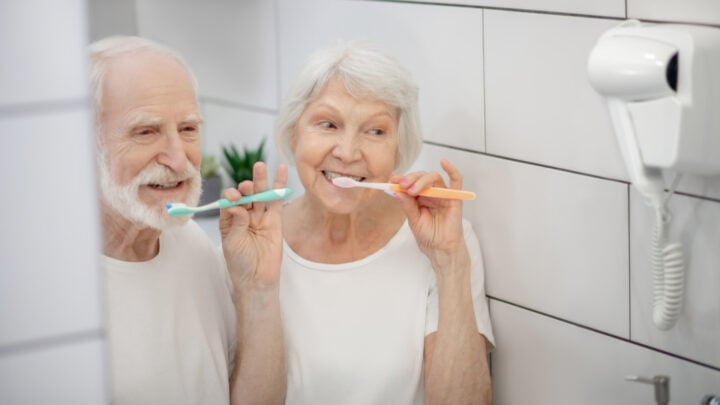
There’s no shortage of advice about how to look after your teeth and gums – but how much of it is actually true?
From whether you really need to floss to how often you should brush, there are plenty of oral health myths that can make it difficult to know what’s best for your teeth.
And as we get older, looking after our mouths becomes even more important. Tooth decay and gum disease can affect our comfort, nutrition and quality of life, while dry mouth can increase the risk of tooth decay and may be linked to medicines and other health conditions.
So, we’ve revisited some of the most common dental myths and separated fact from fiction.
Myth 1: It doesn’t matter what toothpaste you use
The truth: Fluoride matters.
Not all toothpastes offer the same protection against tooth decay. The Australian Dental Association recommends using a fluoride toothpaste as part of your daily oral hygiene routine. Its current guidance recommends brushing twice a day for two minutes with fluoride toothpaste.
Fluoride helps strengthen tooth enamel and protect against decay, which is particularly important as we get older and may be dealing with exposed tooth roots, existing dental work or dry mouth.
There are toothpastes designed for specific concerns, such as sensitive teeth, but if you’re unsure which one is right for you, ask your dentist or dental practitioner.
Myth 2: The longer you brush, the better
The truth: Two minutes, twice a day is the recommendation.
You don’t need to spend ages scrubbing your teeth to get them clean. Current Australian dental guidance recommends brushing for two minutes twice a day using a fluoride toothpaste.
Use a soft-bristled toothbrush and gently clean all the surfaces of your teeth, including around the gum line.
An electric toothbrush can be useful for some people, particularly if arthritis or reduced hand strength makes using a manual toothbrush difficult. Your dental practitioner can advise which type is best for you.
Myth 3: Brushing once a day is enough
The truth: You should brush twice a day.
Brushing once a day isn’t enough to maintain good oral hygiene. The Australian Dental Association recommends brushing twice daily, and Healthdirect gives the same advice for preventing tooth decay and gum disease.
Ideally, make one of those brushes your last thing before bed. A thorough clean at night helps remove plaque and food particles that have accumulated during the day.
After brushing, spit out the toothpaste rather than rinsing your mouth with water. This allows the fluoride to remain on your teeth for longer.
Myth 4: Brushing is all you need to keep your teeth healthy
The truth: Your toothbrush can’t clean everywhere.
A toothbrush does a good job of cleaning the accessible surfaces of your teeth, but it can’t properly clean the spaces between them.
That’s why the Australian Dental Association recommends cleaning between your teeth once a day using dental floss or an interdental brush.
Floss isn’t necessarily your only option. Interdental brushes, dental tape, flossettes and water flossers can also be used. The best choice depends on the size of the spaces between your teeth and your individual needs.
If you’re not sure which method to use, ask your dentist or hygienist to show you.
Myth 5: Charcoal toothpaste is better for your teeth
The truth: Don’t assume ‘natural’ or trendy means better.
Charcoal toothpaste has become popular thanks to claims about whitening and removing stains, but it isn’t a replacement for proven oral-health care.
The important thing when choosing toothpaste is whether it provides the protection you need – particularly fluoride protection against tooth decay.
Rather than choosing a toothpaste based purely on its marketing, look for one that contains fluoride and ask your dental practitioner if you have particular concerns such as sensitivity, gum disease or dry mouth.
Myth 6: You should brush your teeth immediately after eating
The truth: Give your teeth some time.
It can be tempting to reach for your toothbrush immediately after a meal, particularly if you’ve eaten something sugary or acidic.
However, brushing straight after eating or drinking can be unhelpful because acids can temporarily soften tooth enamel. Healthdirect advises waiting around 30 minutes after eating and drinking before brushing.
If you can’t brush straight away, rinsing your mouth with water can help clear away food and drink.
It’s also worth remembering that limiting sugary foods and drinks – particularly frequent snacking between meals – is an important part of preventing tooth decay.
Myth 7: Oral health is separate from the rest of your health
The truth: Your mouth is an important part of your overall health.
Your teeth and gums aren’t isolated from the rest of your body. Poor oral health is associated with a range of health problems, and the Australian Dental Association notes that relationships between oral health and some systemic diseases can work in both directions.
For older Australians, there are some additional considerations. Dry mouth, for example, is common and can be caused or worsened by some medicines and health conditions. Having less saliva can increase the risk of tooth decay.
That makes it particularly important to tell your dentist if you’ve noticed a persistently dry mouth, changes in your gums, tooth sensitivity or other changes in your oral health.
How to look after your teeth as you get older
The good news is that the basics of good oral hygiene are relatively simple.
- Brush your teeth twice a day for two minutes with fluoride toothpaste.
- Clean between your teeth once a day with floss or an interdental brush.
- Choose a soft-bristled toothbrush and replace it or the brush head when it becomes worn.
- Limit sugary foods and drinks, particularly between meals.
- Drink plenty of plain water.
- If you have a dry mouth, speak to your doctor, pharmacist or dentist about possible causes and ways to manage it.
- Have regular dental check-ups and follow your dentist’s advice about how often you need to attend. Healthdirect recommends dental check-ups every six to 12 months, although your individual needs may differ.
And remember, if something in your mouth doesn’t feel right, don’t simply put it down to getting older. Toothache, facial swelling, persistent sensitivity, loose teeth or changes in your gums are all reasons to seek professional dental advice.
The bottom line: There’s plenty of dental advice floating around, but the fundamentals haven’t changed. Brush twice a day with fluoride toothpaste, clean between your teeth, watch your sugar intake and see your dental practitioner regularly.
Your teeth are worth looking after at every age.
IMPORTANT LEGAL INFO This article is of a general nature and FYI only, because it doesn’t take into account your personal health requirements or existing medical conditions. That means it’s not personalised health advice and shouldn’t be relied upon as if it is. Before making a health-related decision, you should work out if the info is appropriate for your situation and get professional medical advice.





 Proudly Australian owned and operated
Comments 2
Join the conversation. Comments are reviewed before they appear.
Dental hygienists have told me that to clean properly you need to brush each surface for 3 seconds, this takes considerably more than 2 minutes.
"...and the Australian Dental Association notes that relationships between oral health and some systemic diseases can work in both directions."
Then why isn't Dental Health part of Medicare?
Join the conversation
Tell us who you are to post a comment. We'll remember you next time.