
Guy Leech and Duncan Armstrong share 5 habits for ageing well



Duncan Armstrong gave Australians a moment to remember when he powered to Olympic gold in Seoul in 1988. Almost four decades later, his focus has shifted from breaking records to keeping well enough to enjoy the years ahead.
The champion swimmer, 58, and his longtime mate, Ironman legend Guy Leech, 62, want older Australians to think about what they can do for their health each day, starting with habits that fit into ordinary life.
Their suggestions require no gym membership or expensive equipment. Some can happen while brushing your teeth. Another involves picking up the phone.
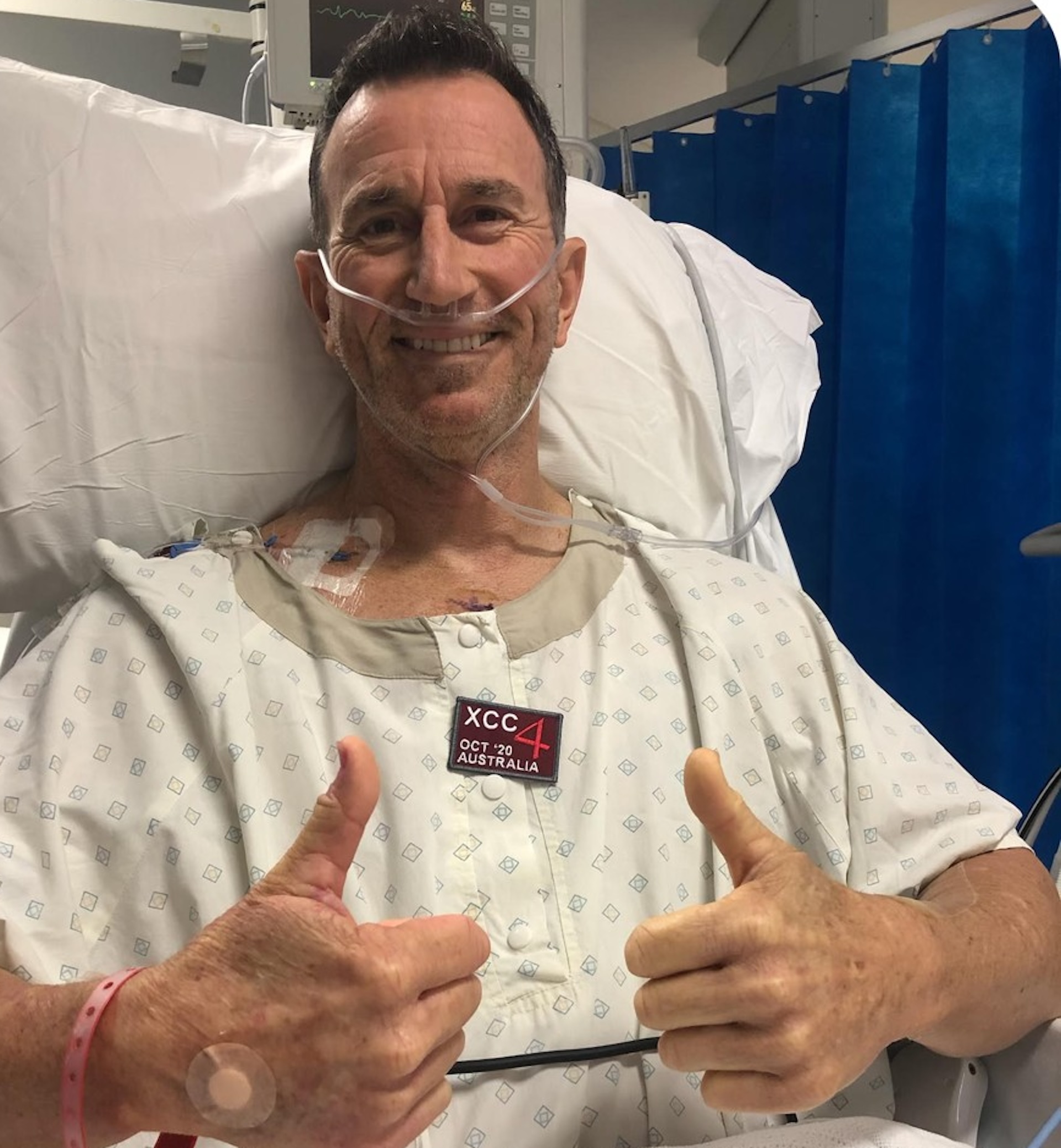
For Armstrong, who survived a heart attack and underwent triple bypass surgery at 52, maintaining his health has particular significance. He wants to remain mobile and independent into his 70s, 80s and beyond.
Friends for more than 30 years, the pair are also questioning the promises made to people browsing the supplement aisle. Leech has a commercial interest here: he is part owner of supplement company NEXT50, which says it individually lists all 32 ingredients in its product.
Their everyday habits, however, begin well away from a shopping basket.

Start with your balance
The first suggestion is to practise standing on one leg while brushing your teeth, switching sides as you go.
Pairing an exercise with something you already do makes it easier to remember. Balance matters when stepping off a kerb, getting dressed or moving around the house.
Safety comes first. Keep your eyes open and use a stable support, such as a bench, if needed. Anyone who feels unsteady or has fallen should seek guidance from a physiotherapist before trying more challenging balance exercises.
Walk a little further
Armstrong and Leech suggest parking 500 metres further from your destination to build extra walking into the day.
That distance will suit some people better than others. Start with what feels manageable, considering your mobility and the walking conditions.
A short walk to the shops or an extra lap around the block can be a practical starting point. Australian guidance also recommends regular muscle strengthening and activities that develop balance, so walking is one part of staying active.
Make that phone call
Their third habit is straightforward: call someone this week whom you have not spoken to for a while.
Retirement can change our social routines. Without the everyday conversations that come with work, catching up sometimes requires more deliberate effort.
An old colleague or a friend who lives interstate may welcome the call. There is no need to wait for a birthday or have exciting news to share.
Give protein some attention
The pair recommend eating protein first at meals, suggesting roughly 30 to 40 grams per meal.
Protein helps maintain muscle, but that target is their suggested approach, rather than a prescription for everyone. Individual needs vary, and anyone considering a substantial increase should discuss it with a doctor or dietitian.
For everyday meals, consider where protein is coming from. Eggs, yoghurt, fish, lean meat, tofu and legumes can all contribute. A balanced diet remains important, alongside exercise that helps maintain strength.
Leave time between dinner and bed
Their fifth suggestion is to finish eating two to three hours before bedtime.
For people troubled by reflux, allowing this gap can help manage symptoms. It should not be presented as a proven shortcut to reversing ageing or guaranteeing better overnight repair. A routine that supports comfortable, consistent sleep is a more useful goal.
Ask questions about supplements
Leech is particularly concerned about products with lengthy ingredient lists that leave shoppers struggling to understand what they are getting.
“A long ingredient list isn’t a formula, it’s a smokescreen,” he says. “If a company won’t tell you the dose, assume it’s not enough.”
That is Leech’s view. Australian medicine labelling rules require the names and quantities of active ingredients to be disclosed. It would be inaccurate to suggest all supplements can legally conceal active ingredient doses inside a proprietary blend
Nor does listing every ingredient establish that a product delivers its advertised benefits. Some supplements have a useful role, including for people with diagnosed deficiencies. A pharmacist or doctor can help assess whether a product is appropriate and whether it could interact with existing medicines.
For anyone watching household spending, reviewing several bottles together also makes sense. Ask what each is intended to do, whether it is needed and what the ongoing cost will be.
Armstrong wants people to feel able to ask those questions. “You don’t need a gold medal to ask what you’re doing for your health today,” he says.
“Guy and I are just two blokes who’ve been lucky enough that people listen when we say something. We’d be wasting that if we didn’t use it to call this out.”
NEXT50 is an independent supplement company part owned by Guy Leech. It is a single daily scoop covering ten pillars of healthy ageing: heart health, brain function, joint mobility, bone health, eye health, energy and vitality, immunity, skin health, gut health, and healthy ageing overall. All 32 ingredients are individually declared on the label, with no proprietary blends. It was formulated with input from Australia’s leading specialists in each field.
If you enjoyed this feature on Guy and Duncan’s 5 habits for ageing well, you might like our story on why starting yoga after 60 makes sense.





 Proudly Australian owned and operated
Comments 0
Join the conversation. Comments are reviewed before they appear.
Be the first to comment.
Join the conversation
Tell us who you are to post a comment. We'll remember you next time.