
Too stiff for yoga? Why starting after 60 makes sense


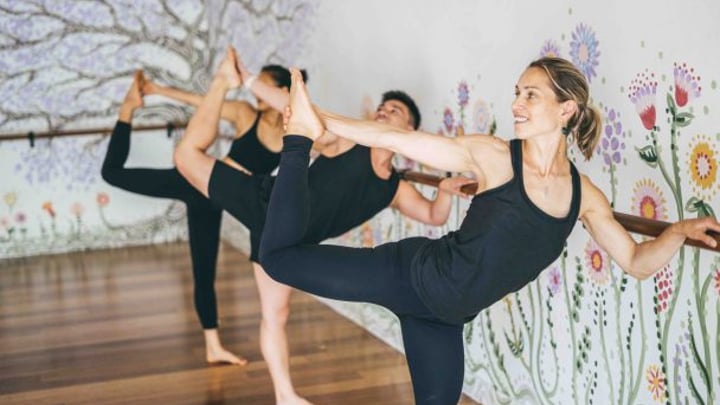
Yoga and Pilates have been linked to a lower risk of death in new research. For older beginners, the more immediate reward could be getting back to activities they love.
Geoff has had both knees replaced, but he’s still skiing well into his 70s.
When he first began training with Simon Ngo, director of Pilates and yoga at Flow Athletic, getting into position for a lunge was difficult. He struggled to squat, too.
“With a consistent and periodised program, he is still skiing every single year, well into his 70s,” Ngo says.
That’s an appealing prospect if stiff joints have started dictating what you can do, yet feeling too stiff is often the very thing that puts people off trying yoga or Pilates.
Ngo hears it regularly.
“Our bodies are not going to suddenly become less stiff,” he says.
“So the logic should be to get into yoga and Pilates to get more mobile and agile rather than the other way around. It’s like saying you’ll wait until you get fitter and stronger to join a gym.”
What the longevity figures mean
An Arizona State University-led study examined 21 complementary and alternative health practices using survey data from 55,023 American adults, linked to death records through 2019.
After accounting for demographic and health differences, yoga was associated with a 27 per cent lower mortality risk and Pilates with a 36 per cent lower risk.
Published in the American Journal of Preventive Medicine, the research does not establish that either activity caused the difference. Those percentages also do not mean participants lived 27 or 36 per cent longer.
Dr David Lipman, human performance director at KURK Biosciences, says other differences between participants could help explain the results. People who practise yoga or Pilates may already be healthier, have more money or follow healthier habits generally.
Attending classes could also provide social connection.
“These sorts of studies are interesting and helpful at a high level for more hypothesis generation and insights, but causation is impossible to infer,” Lipman says.
The research relied on people reporting their habits at the time of a survey. That cannot establish how consistently they continued those activities in the years afterwards.
Ngo welcomes the findings, but urges readers to “avoid thinking yoga and Pilates are now suddenly the miracle solutions to longevity and ageing”.
What if you’ve never tried either?
Expect to spend some time learning.
Ngo says the first five to 10 sessions may largely involve getting used to unfamiliar exercises and understanding how to perform them.
“Having said that, it gets better,” he says. “It’s the consistency to show up that counts.”
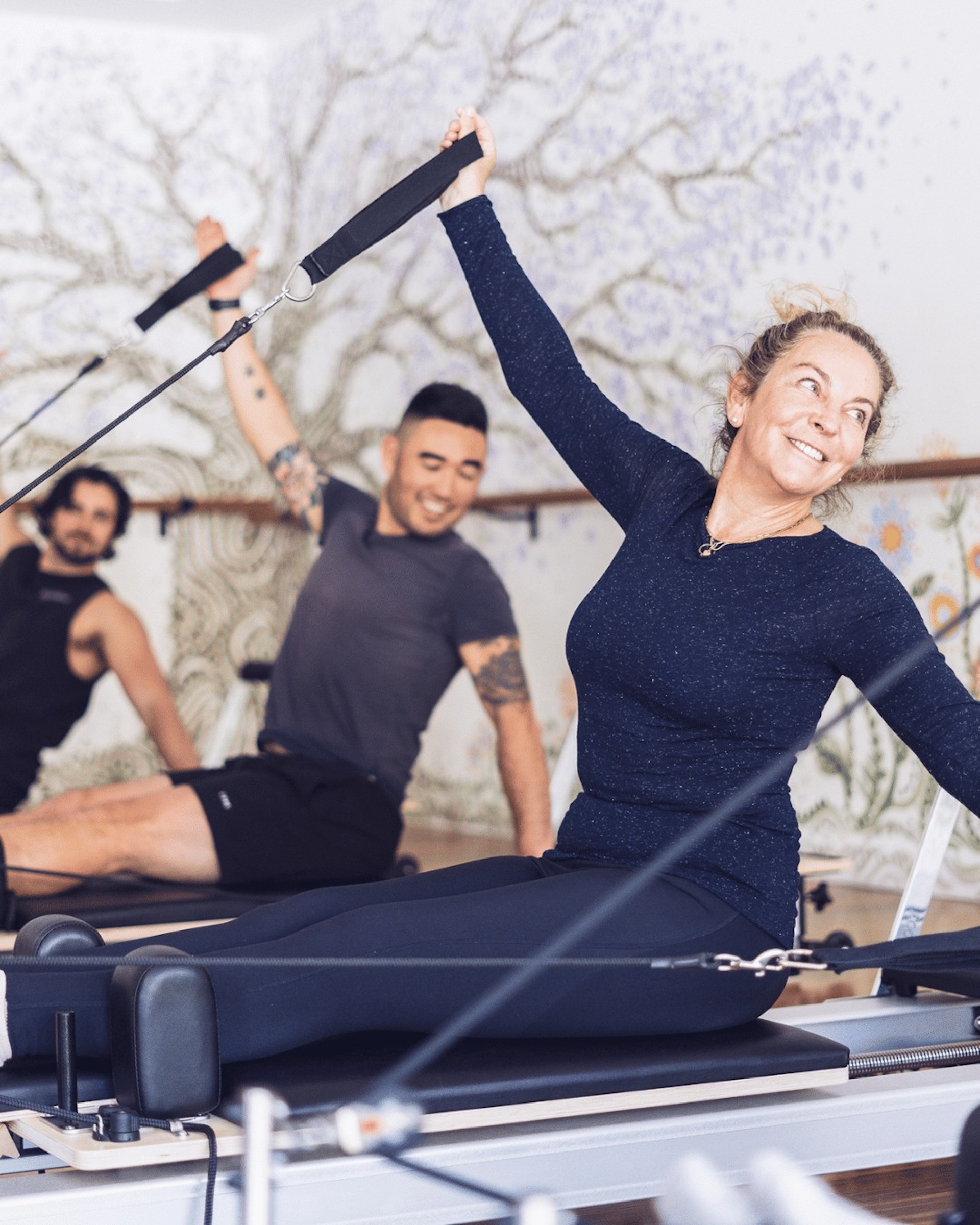
He suggests starting with one or two sessions a week, spaced apart. As for choosing between the two, Ngo says yoga places more emphasis on breathing and mindfulness alongside movement. Pilates focuses on controlled exercises, with close attention to alignment and precision.
Speak to a studio before booking and explain that you’re a beginner, mention any health conditions and ask whether you’ll need to get down to the floor.
A general group class and a session tailored to particular physical needs can be very different experiences.
Choose the instructor carefully
For people with arthritis, osteoporosis or a joint replacement, Ngo recommends asking about an instructor’s training and experience with those conditions.
Feeling comfortable enough to speak up matters, too.
“Apart from qualifications, look for instructors with good empathy and chemistry to build trust and a solid working relationship together,” he says.
Some yoga and Pilates movements need modification for people with osteoporosis, particularly those involving bending or twisting the spine. Seek individual advice from a physiotherapist or appropriately qualified exercise professional.
Introductory passes can make trying a class more affordable. Although online sessions offer flexibility, someone who needs help adapting movements may benefit from individual guidance first.
Yoga or Pilates should also fit into a wider exercise routine.
Australian recommendations for people aged 65 and over include muscle-strengthening activities on at least two days a week.
For Geoff, the reward has been another season on the slopes. For someone else, it might be feeling more confident getting out of a chair or returning to the garden.
You don’t have to arrive flexible; that’s something you can work on.





 Proudly Australian owned and operated
Comments 0
Join the conversation. Comments are reviewed before they appear.
Be the first to comment.
Join the conversation
Tell us who you are to post a comment. We'll remember you next time.