
How to future-proof your knees: Diet, exercise, shoes and daily habits that keep you moving


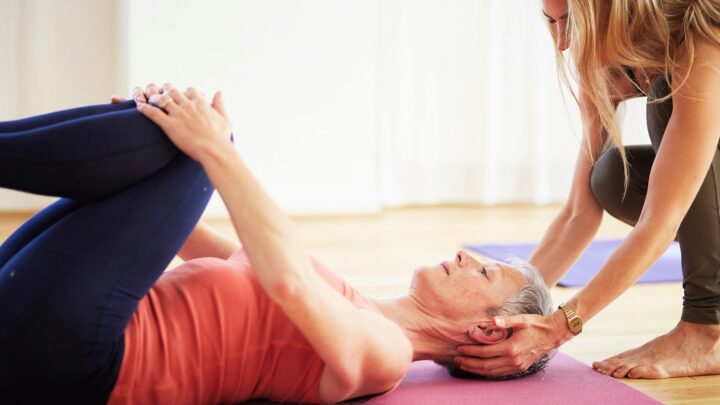
Turning 60 is a milestone – and for many, it’s also the moment your knees suddenly make themselves heard. A creak here, a sharp twinge there, or the feeling that stairs have become a personal enemy. But knee pain, stiffness and reduced mobility aren’t inevitable parts of ageing. In fact, there’s a lot you can do to future-proof your knees and stay active, confident and pain-free well into your 70s and 80s.
Here’s a practical, evidence-based guide to strengthening and protecting your knees every day.
1. Nourish your nnees from the inside out
Anti-inflammatory foods
Inflammation is a major driver of knee pain, especially if you’re living with osteoarthritis. Choose foods proven to help calm inflammation:
Fatty fish (salmon, sardines, trout)
Berries
Olive oil
Leafy greens
Nuts (walnuts, almonds)
Turmeric and ginger
Keep these in your weekly rotation to reduce flare-ups and protect cartilage over time.
Maintain a healthy weight
Every extra kilo places roughly four extra kilos of pressure on your knees with each step. Even a modest 5–7 per cent weight loss can dramatically reduce pain and slow joint damage.
Add collagen and vitamin C
Collagen supplements may support joint health, while vitamin C helps your body produce collagen naturally. Citrus, capsicum, strawberries and broccoli are excellent sources.
2. The right exercises to protect, not punish your knees
Strong muscles support your joints. Weak muscles let the joints take the impact.
Low-impact cardio (3–4 times a week)
These activities strengthen the muscles around your knees without the pounding:
Walking on flat surfaces
Cycling (stationary or road)
Swimming or aqua aerobics
Elliptical training
Just 20–30 minutes per day can improve mobility and reduce stiffness dramatically.
Strength training (2–3 times a week)
Focus on the muscles that stabilise your knees:
Quadriceps: wall sits, leg extensions, step-ups
Hamstrings: bridges, hamstring curls
Glutes: clamshells, hip thrusts, side leg raises
Calves: calf raises on a step
Strength work is crucial – it reduces pain more effectively than stretching alone.
Flexibility and balance
Gentle stretching keeps the joints mobile, while balance work prevents falls.
Chair yoga
Tai chi
Pilates
Simple daily stretches (quads, hamstrings, calves, hips)
Five minutes a day goes a long way.
3. Shoes matter more than you think
Footwear plays a huge role in knee health, especially at 60.
Look for shoes with:
Good arch support
A cushioned midsole
A wide toe box
A stable heel
Shock-absorbing insoles
Brands such as Asics, Brooks, New Balance, Hoka, Frankie4 and Vionic consistently rate highly for comfort and joint support.
Avoid:
Flat, unsupportive slip-ons
Worn-out sneakers
High heels
Ballet flats with thin soles
Your knees will thank you for upgrading to supportive footwear – it can reduce knee load by up to 20%.
4. Small daily habits that keep your knees younger for longer
Don’t sit too long
Sitting stiffens joints. Aim to stand and walk for a minute every 30–45 minutes.
Use handrails – without shame
Supporting your weight reduces strain on knee joints when going up or down stairs.
Walk on flat surfaces
Hills put extra pressure on the knee joint. If you love walking, choose flatter routes.
Use heat for stiffness, ice for pain
A simple routine that helps many over-60s stay comfortable.
Prioritise sleep. Good sleep reduces inflammation and improves recovery – crucial for joint health.
5. When to see a Health Professional
It’s worth checking in with a GP or physiotherapist if you experience:
Persistent swelling
Sharp, sudden knee pain
Knees giving way
Difficulty walking or bending
Pain that lasts more than a few weeks
A physio can tailor exercises, correct your walking pattern and prevent worsening issues.
The Bottom Line
Your knees carry you through life – literally. With the right diet, shoes, movement habits and a few smart adjustments, you can dramatically reduce pain, maintain mobility, and keep doing the things you love. Ageing is inevitable. Losing your ability to move comfortably isn’t.





 Proudly Australian owned and operated
Comments 0
Join the conversation. Comments are reviewed before they appear.
Be the first to comment.
Join the conversation
Tell us who you are to post a comment. We'll remember you next time.