
10 things to try before reaching for painkillers


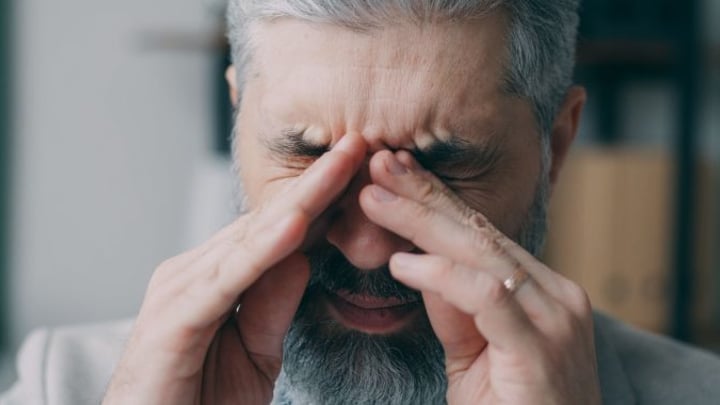
When a familiar, mild headache strikes, it is tempting to head straight for the medicine cupboard. Sometimes, however, the first thing your body needs is water, food, rest or a break from the screen.
You’ve spent the morning at the computer, worked through lunch and barely touched the glass of water beside you. By mid-afternoon, your head is aching and you are reaching for the Panadol or Nurofen.
Painkillers have their place, and nobody should feel guilty about using them appropriately. But we can become so accustomed to taking a tablet that we overlook some of the everyday triggers behind a mild headache.
Before reaching for medication, it may be worth pausing to consider what your body has been missing.
These suggestions are intended for familiar, occasional headaches. A headache that is new, sudden, severe, worsening or different from your usual pattern needs medical attention.
-
Drink some water
Think back over the past few hours. Have you had much to drink?
Dehydration is a common headache trigger, particularly during hot weather, after exercise or when you have been busy and simply forgotten to drink.
Try a glass of water and continue sipping rather than gulping down a large amount at once. Anyone who has been placed on a fluid restriction should follow their doctor’s advice.
-
Eat something if you have missed a meal
A late breakfast or skipped lunch can leave more than your stomach complaining.
If you are overdue for a meal, try something nourishing rather than relying on coffee or sugary snacks. Regular meals may also help prevent the same headache returning at a similar time the next day.
-
Step away from the screen
Moving from the computer to the phone is not much of a break for your eyes.
Walk away for a few minutes, look into the distance and allow your eyes to adjust. If screen-related headaches keep happening, consider your lighting, posture, text size and whether your eyesight needs checking.
-
Find somewhere quiet
Noise, bright light and constant activity can make a headache harder to tolerate.
Sit or lie down somewhere quiet and dim for a short while. You do not have to sleep. Closing your eyes and giving yourself ten minutes away from stimulation may be enough to take the edge off.
If light or noise regularly makes your headaches worse, particularly when accompanied by nausea or throbbing pain, speak with your doctor about the possibility of migraine.
-
Try a cool cloth
A cool, damp cloth across the forehead or the back of the neck can be soothing.
Some people prefer a wrapped cold pack, but it should never be placed directly against the skin. Keep the temperature comfortable and stop if the cold makes the pain worse.
-
Use gentle warmth on a tight neck
If the headache arrives with stiff shoulders or a tight neck, warmth may feel better than cold.
Try a warm shower, heat pack or warm towel across the neck and shoulders. Protect the skin and avoid excessive heat, particularly if you have reduced sensation or circulation problems.
-
Move your neck and shoulders gently
Hours spent looking down at a phone, sitting at a desk or driving can leave the upper body tense.
Slowly roll your shoulders and gently move your head from side to side within a comfortable range. Do not force the stretch or try to crack your neck. Stop if the movement causes pain, dizziness, numbness or weakness.
-
Try a light massage
Use your fingertips to gently massage the temples, scalp, jaw, neck or shoulders, depending on where you feel tension.
Keep the pressure light. A headache associated with muscle tension may respond to massage, but a severe, unexplained or persistent headache should not simply be worked on in the hope that it disappears.
-
Slow things down
Stress can show up physically through a clenched jaw, raised shoulders and shallow breathing.
Sit comfortably and allow your shoulders to drop. Breathe at a slow, natural pace without forcing deep breaths or holding them. A warm bath, some quiet music or a few minutes outside may also help your body settle.
-
Take a gentle walk
If you otherwise feel well, a short walk and some fresh air may help clear your head and loosen tight muscles.
Keep it easy and turn back if the pain worsens. Exercise can aggravate a migraine attack, so follow your usual treatment plan if you have been diagnosed with migraine.
Healthdirect includes water, rest in a darkened room, warm or cool cloths, neck stretches and walking among its self-care suggestions for mild, occasional headaches.
Painkillers are useful, but not harmless
Panadol and Nurofen are brand names for medicines that work differently and carry different risks.
Standard Nurofen contains ibuprofen, a non-steroidal anti-inflammatory drug. Ibuprofen can cause stomach irritation, ulcers or bleeding and may affect the kidneys. The risk is higher after 65 and for people with certain medical conditions or taking medicines such as blood thinners.
Standard Panadol contains paracetamol. It is generally gentler on the stomach and side effects are uncommon when it is taken correctly. However, exceeding the recommended dose can cause severe liver damage. Paracetamol is also found in some cold-and-flu and combination medicines, creating a risk of accidentally doubling up.
Regular use of headache medication can sometimes contribute to medication-overuse headaches. If you are reaching for painkillers frequently, speak with your GP or pharmacist rather than continuing to treat each headache yourself.
When not to wait it out
Call triple zero (000) for a headache that begins suddenly and is extremely painful, or occurs with confusion, weakness, difficulty speaking, loss of balance, a seizure, neck stiffness or sudden changes in vision.
A new headache beginning after 50 should be assessed by a doctor, particularly if it is accompanied by scalp tenderness, jaw pain while chewing or vision problems. A headache that is becoming more frequent, severe or different from your usual headaches also needs investigation.
If you have been diagnosed with migraine, follow the treatment plan provided by your doctor. There is no benefit in delaying appropriate medication simply to work through a list of home remedies first.





 Proudly Australian owned and operated
Comments 0
Join the conversation. Comments are reviewed before they appear.
Be the first to comment.
Join the conversation
Tell us who you are to post a comment. We'll remember you next time.