
‘All in my head’: Christine’s five years in pain


Before Christine Engleson could go anywhere, she needed to know where the toilets were. Holidays became a source of panic, while pain in her lower stomach and the constant feeling that she needed to empty her bladder left her feeling unwell.
The South Australian woman, now 64, remembers her symptoms beginning around 2007 or 2008. It would take about five years to get an explanation, during which she was treated for urinary tract infections despite tests coming back negative.
“I couldn’t go anywhere without checking if there were toilets available,” Christine says. “I started to panic if I went on holidays or long trips.”
Doctors also investigated whether the problem was coming from her back. Christine underwent several weeks of back manipulations and was referred for scans and physiotherapy, but she still had no answer for what was happening.
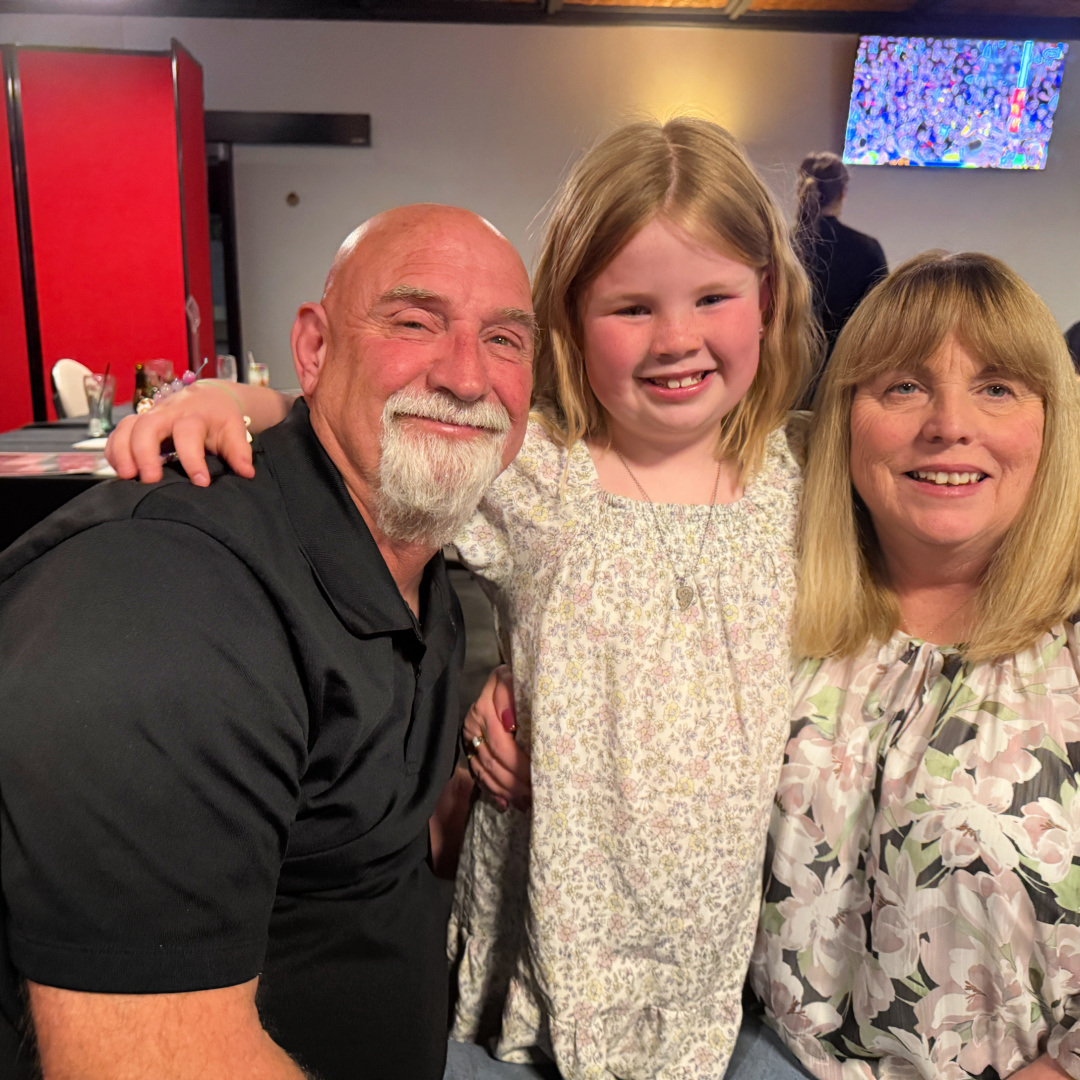
“The last straw was when I was told by a GP that it was all in my head and I was just panicking about nothing.”
Being told there was nothing wrong when she was experiencing pain began to affect far more than her willingness to leave the house.
“I started to have panic attacks every time I felt ill. I really thought that I was going crazy,” she says.
“Here I was having all these symptoms and pain yet everyone was telling me there was nothing wrong. I lost lots of weight and it became hard to concentrate.”
The turning point came when Christine saw gynaecologist Dr Oseka Onuma, who diagnosed Bladder Pain Syndrome, or BPS.
“When I saw Dr Oseka Onuma I felt that someone was actually listening to me. He didn’t judge,” she says. “And when he gave me my diagnosis I felt a weight had finally been lifted from my shoulders.”
For Christine, having an explanation also meant being able to access treatment that improved her life.
“He actually gave me back my quality of life as well as reducing my pain. He saved my life in so many ways.”
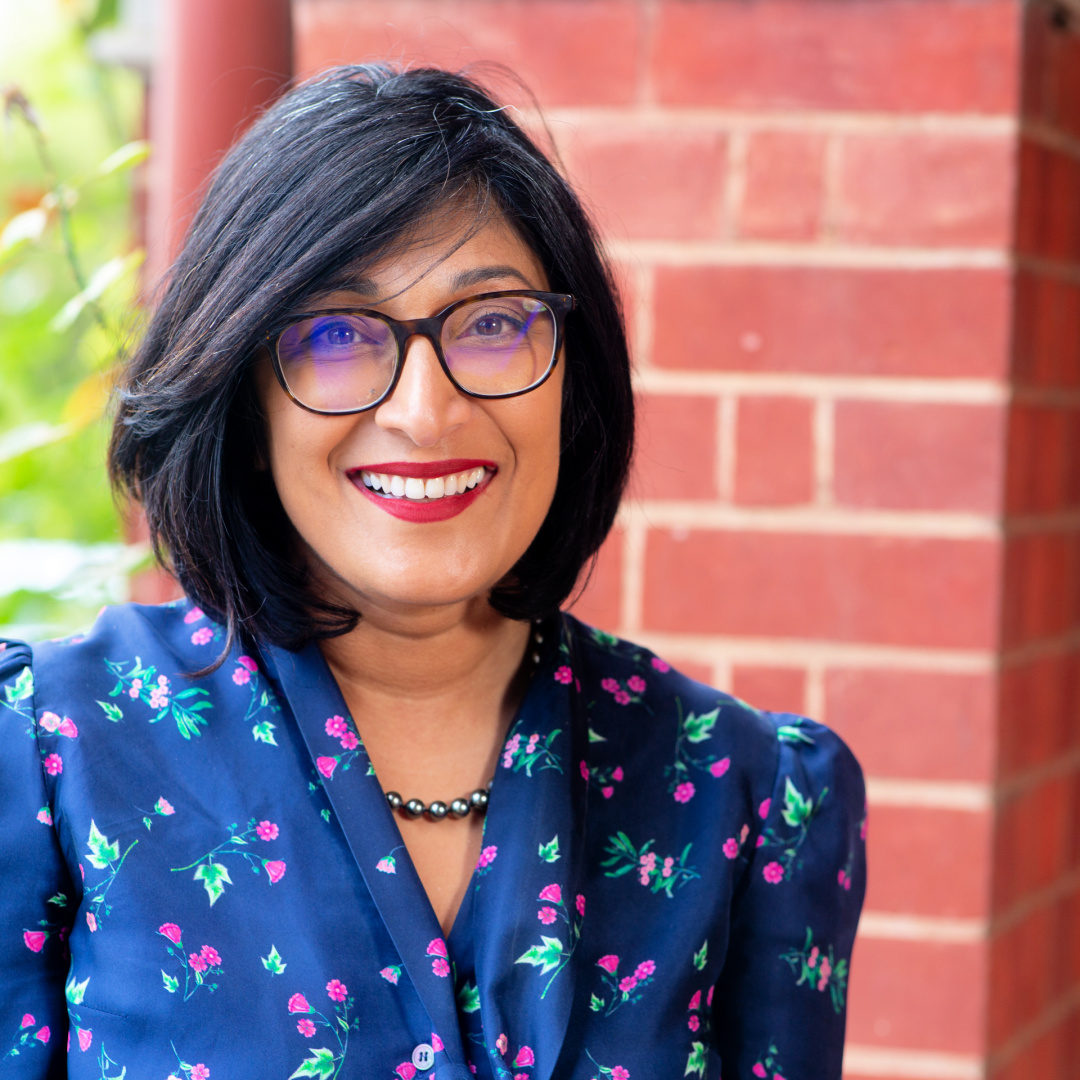
Urologist Dr Ashani Couchman explains that BPS, also known as interstitial cystitis, is a diagnosis of exclusion. This means doctors investigate other possible explanations before confirming the condition.
The typical pattern is pain as the bladder fills, with relief after emptying it, although the discomfort is not always confined to the lower abdomen. Some people experience pain at the urethra, the tube through which urine leaves the body.
Dr Couchman says persistent discomfort or changes in urination warrant a visit to the GP. Blood in the urine also needs medical assessment.
Part of the difficulty in reaching a diagnosis is that symptoms can resemble a urinary tract infection. Older women are at increased risk of UTIs, which can influence how those symptoms are initially treated.
“The symptoms can be limiting and there is a high index of suspicion for UTI and patients often get treatment without investigation to speed recovery,” Dr Couchman says.
“Therefore, with no investigation, the diagnosis can be delayed or missed.”
Investigations depend on the individual and may include urine cultures and imaging of the kidneys and bladder. A cystoscopy, which allows a specialist to look inside the bladder, may also be used to investigate other causes.
If symptoms continue and initial testing has not provided an answer, Dr Couchman says referral to a urologist is appropriate. She also stresses the need to consider other health problems that may be occurring alongside bladder symptoms, rather than looking at the bladder in isolation.
Treatment is tailored to the person and may involve several health professionals. Pelvic floor physiotherapy can form part of that care, while a dietitian can help identify food and drink that irritate symptoms. Some patients also need specialist pain support or care for an accompanying condition.
“BPS rarely occurs in isolation and the best treatment is holistic, individualised and interdisciplinary,” Dr Couchman says.
For Christine, ongoing care includes regular intravesical instillations, in which a treatment solution is placed into the bladder. She also takes medication and watches for foods that trigger a flare.
“Knowing the syndrome that I have and recognising when I have a flare has enabled me to lead a relatively normal life,” she says.
Holidays still require preparation, including carrying extra medication. Christine now also wears a sunflower lanyard when travelling by plane to signal that she has a hidden disability and may need additional assistance.
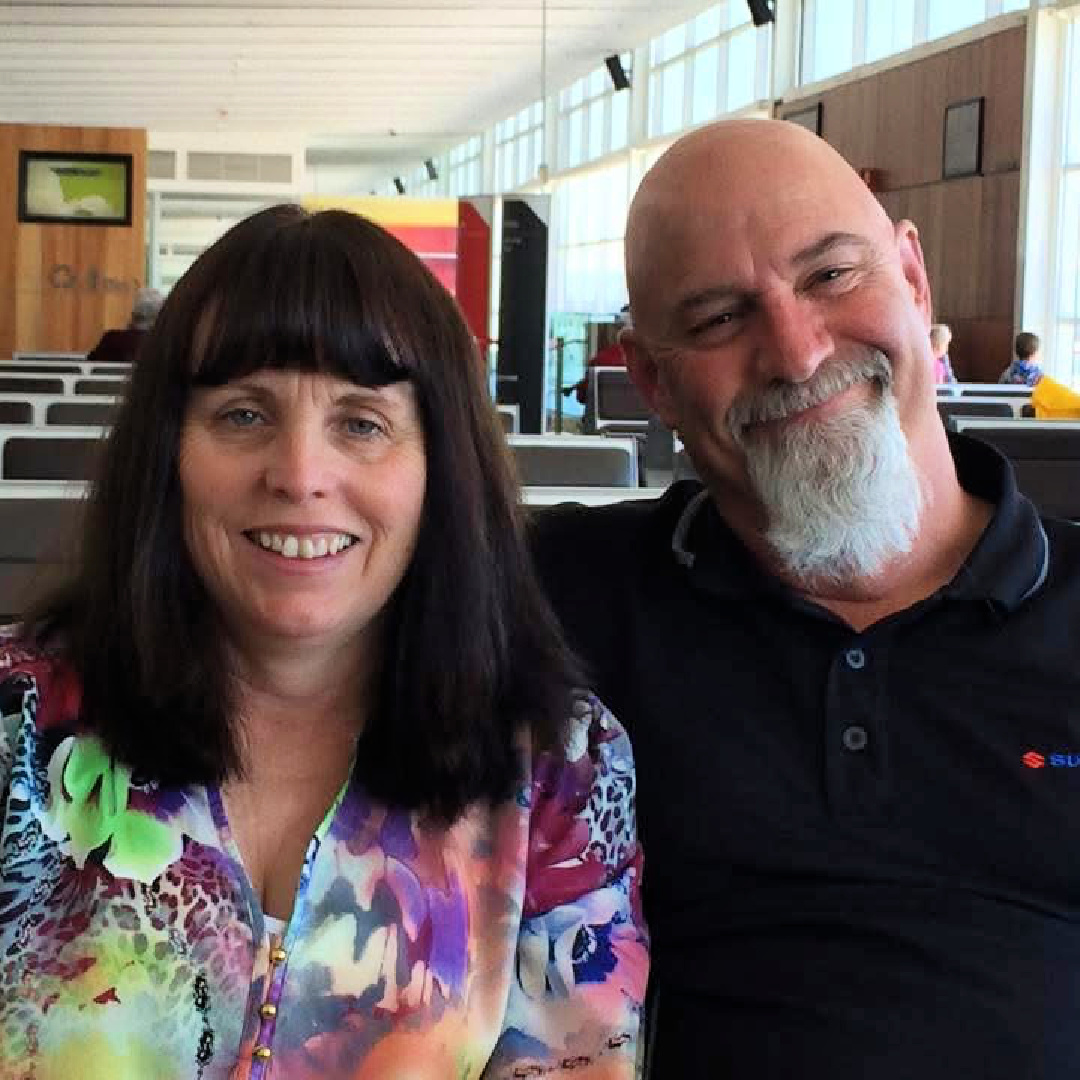
Her experience has left her with a clear message for women who are still searching for an explanation.
“The most important thing is to find a doctor who will listen to you,” she says. “Keep a record of your pain and any triggers that may cause that pain.”
Christine has also found support through Facebook groups, where people share their experiences and suggestions for doctors in their area.
Dr Couchman says finding the right treatment team can help patients regain control of their symptoms.
“Living with BPS can be difficult, but improvement is more than possible.”
For Christine, the diagnosis changed how she understood her own body after years of questioning what she was feeling.
“Everyone knows their own body so don’t doubt yourself.”
IMPORTANT LEGAL INFO This article is of a general nature and FYI only, because it doesn’t take into account your personal health requirements or existing medical conditions. That means it’s not personalised health advice and shouldn’t be relied upon as if it is. Before making a health-related decision, you should work out if the info is appropriate for your situation and get professional medical advice.





 Proudly Australian owned and operated
Comments 0
Join the conversation. Comments are reviewed before they appear.
Be the first to comment.
Join the conversation
Tell us who you are to post a comment. We'll remember you next time.