
Why Green Juices and Powders Are Booming Among Women Over 55


And Why Organic Australian Brands Lead the Way
In recent years, green juices and powdered “greens” blends have moved from the fringes of the wellness world into the daily routines of many women over 55. Once associated mainly with yoga studios and fitness influencers, these nutrient-dense drinks are now firmly on the radar of mature women seeking vitality, longevity and balance in their next chapter of life.
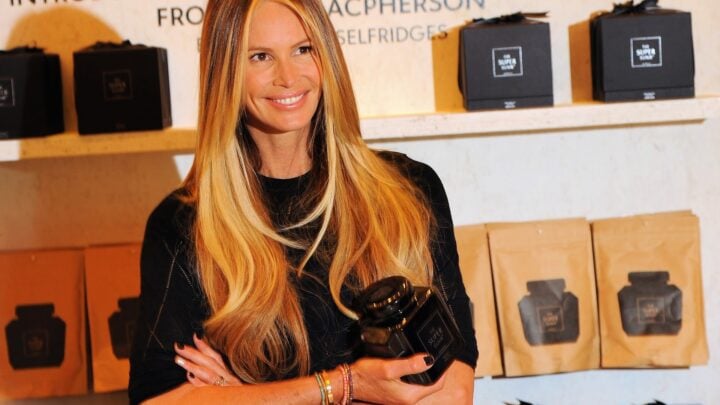
A key driver of this shift has been visibility. When high-profile women in their 50s and beyond openly share their wellness habits, it resonates. Supermodel and wellness entrepreneur, Elle Macpherson, has long championed daily greens as part of her routine, integrating them into her broader philosophy of ageing well from the inside out. Likewise, actress and producer Reese Witherspoon has spoken publicly about starting her mornings with a nutrient-packed green smoothie inspired by wellness experts. When women see peers they admire embracing green blends not as fads but as foundations, it reframes the conversation around aging.
But celebrity endorsement alone does not sustain a movement. The growing popularity of green juices and powders among women 55+ reflects deeper shifts in health priorities.
First, there is a heightened awareness of nutrient density. As women age, nutritional needs evolve. Hormonal changes during and after menopause can affect bone density, muscle mass, digestion, skin elasticity and energy levels. Appetite may decrease, while the need for certain vitamins and minerals remains high. Green powders, typically blends of leafy greens, algae, grasses, antioxidants and sometimes probiotics, offer a convenient way to “top up” micronutrients in one glass. For women juggling work, travel, caregiving or simply seeking simplicity, this convenience matters.
Second, digestion becomes a more central concern. Many women over 55 report changes in gut health, including bloating or slower digestion. Greens powders often contain prebiotic fibres, digestive enzymes or fermented ingredients that support gut balance. While they are not magic solutions, they can complement a diet rich in vegetables and whole foods. The appeal lies in ease: mix, shake and drink, no chopping required.
Third, energy and vitality are powerful motivators. Unlike quick-fix stimulants, greens blends are marketed as foundational support, helping the body feel nourished rather than artificially boosted. This aligns with a broader cultural shift away from extreme dieting and toward sustainable wellbeing. Women in their 50s, 60s and beyond are redefining what aging looks like; active, engaged, travelling, building businesses, exercising and prioritising self-care. A daily greens ritual fits seamlessly into that narrative.
The aesthetic and aspirational element cannot be ignored either. Wellness culture has evolved into a lifestyle marker. A morning green drink signals intention: “I am investing in myself.” When someone like Jennifer Aniston shares aspects of her health regimen, or when Gwyneth Paltrow discusses clean, plant-forward nutrition, it reinforces the idea that longevity and glow are cultivated habits. For women 55+, this message feels empowering rather than indulgent – a proactive approach to thriving, not just coping.
Importantly, today’s 55+ woman is not the same as previous generations. She is digitally connected, informed and discerning. She reads labels. She questions sourcing. She wants transparency. This is where the conversation shifts from simply “drinking greens” to choosing quality.
Organic sourcing has become a priority. The logic is straightforward: if a product is concentrated, as powdered greens are, then the quality of the raw ingredients matters. Organic farming practices reduce exposure to synthetic pesticides and chemicals, which is particularly relevant for women mindful of long-term health. Clean formulations, free from artificial sweeteners or fillers, are increasingly non-negotiable.
There is also growing pride in supporting local. Australian consumers, in particular, are seeking home-grown brands that align with stringent manufacturing standards. Buying Australian-made products supports local farmers, ensures clearer regulatory oversight and reduces environmental impact associated with long supply chains. When Elle Macpherson promotes wellness products rooted in clean, considered sourcing, it reinforces the value of knowing where your nutrition comes from.
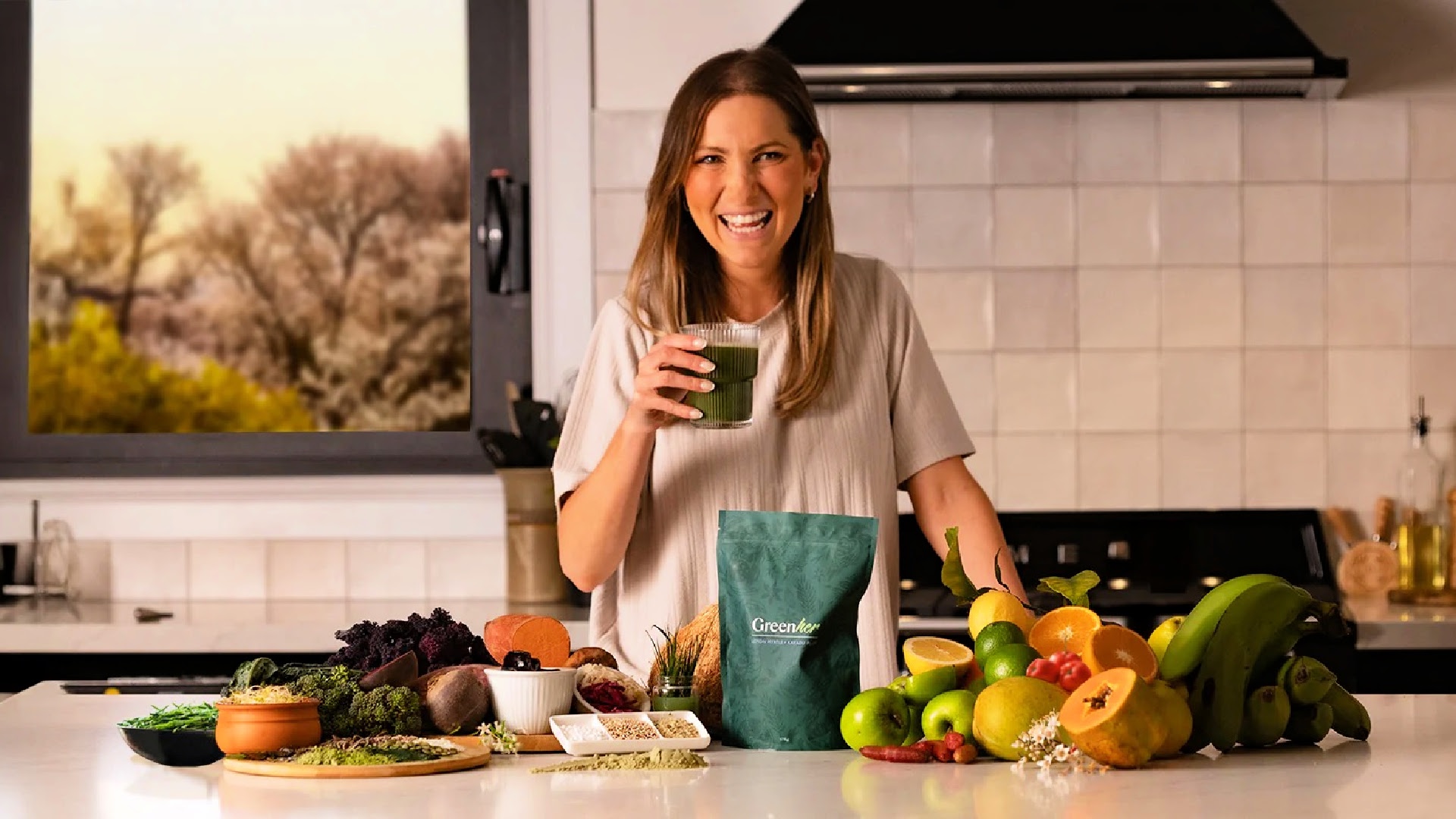
Australian brands such as Greenher, which focus on formulations tailored to women’s health, reflect this demand for specificity. Women over 55 are not looking for generic solutions; they want blends that consider bone health, hormonal balance, immunity and vitality. The rise of female-focused greens products signals a broader recognition that women’s nutritional journeys are unique and deserve targeted support.
“GreenHer was born out of years of listening to women, in clinics, research interviews, community settings and everyday life and hearing the same story: ‘I want to eat well, but I’m exhausted, overwhelmed and pulled in too many directions,” Dr Bonnie Brammall (PhD, MHumNutr, BAppSci), who developed Greenher said.
“I’ve spent more than a decade in reproductive-health research and nutrition science, and like so many women, I know how it feels to give your energy to everyone else first. After completing my PhD, launching community food projects and becoming a mum myself, I wanted to create something practical, real and supportive for women in their most demanding years.
“GreenHer isn’t just another greens powder, it’s a considered, evidence-based blend of essential nutrients, fermented botanicals and functional wholefoods. I take mine at 3 a.m. after being up with my son George; for others it might be their calm moment before work. However it fits, I hope it gives you a lift, a little support, and a daily reminder that self-care doesn’t have to be all-or-nothing.”
Another factor behind the surge in use of Green juices and powders is the shift toward preventative health. Rather than waiting for issues to arise, many women are embracing daily habits that may support long-term wellbeing. A green drink becomes part of a broader toolkit that includes strength training, mindfulness, quality sleep and regular health check-ups. It is less about chasing youth and more about sustaining strength and clarity.
Critics rightly note that green powders are not substitutes for whole vegetables. And they are correct. No supplement replaces a balanced diet rich in fibre, protein and healthy fats. However, green juices can be seen as a powerful supplement.
Ultimately, the popularity of green juices and powders among women 55+ reflects empowerment. It represents a generation refusing to fade quietly into the background. These women are investing in their health, appearance and energy with intention. They are influenced by visible role models like Elle Macpherson and Reese Witherspoon, but they are also guided by research, community and lived experience.
The message is clear: aging well is not accidental. It is supported by daily choices. For many women, that choice now includes a scoop of organic, thoughtfully sourced greens, ideally Australian-made, blended into a morning ritual that says, “My health matters”.
In that simple green glass lies something bigger than a trend. It is a symbol of proactive, vibrant aging and for the modern 55+ woman, that is a movement worth raising a glass to.





 Proudly Australian owned and operated
Comments 0
Join the conversation. Comments are reviewed before they appear.
Be the first to comment.
Join the conversation
Tell us who you are to post a comment. We'll remember you next time.