
Why Australians are meeting strangers to talk death


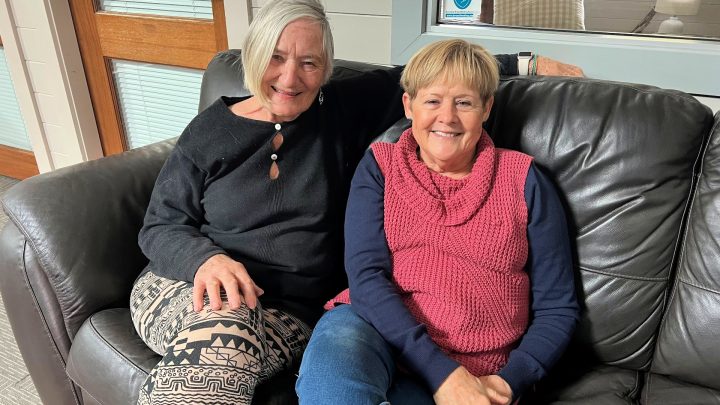
When Rhoda Poole asked her eldest grandson to read the obituary she had written for herself, he wanted nothing to do with it.
“Grandma, I wish you would stop talking about death,” he told her.
A few months later, he returned and asked to read it.
“Just treat it as a dress rehearsal,” she said.
As he read, he discovered parts of his grandmother’s life he knew nothing about, particularly the years before she moved to Australia at 22. A conversation he had initially resisted became an opportunity to learn more about her.
For Rhoda, who has lost both her son and her husband, talking about death is something she believes people need more room to do. She has found that room at a Death Cafe.
Across Australia, these gatherings give people somewhere to discuss a subject that can make even close family members uncomfortable. There is usually afternoon tea, and no expectation that anyone will arrive knowing what to say.
The movement began in London in 2011 and has spread internationally. In Australia, Proveda, which supports Death Cafe initiatives through The Groundswell Project, reports community conversations held across six states and territories.
You do not need to be facing a terminal illness to attend. You might be wondering how to raise your wishes with your children, or simply want to hear how other people approach the end of life.
What do people talk about?
The conversation is directed by those attending, rather than a speaker working through a presentation. There is no set agenda and no particular belief about death that participants are expected to share.
Roe Kitchin helps organise the Kiama Death Cafe on the NSW South Coast through the Illawarra-Shoalhaven Compassionate Community.
“A Death Cafe is just a chance for anybody from the community to come together over a cup of coffee and a piece of cake and just talk about whatever is on their mind,” she says.
At the Kiama gathering, which meets four times a year, death doula Carolyn Vaughan helps guide the discussion. It might begin with someone explaining why they came.
Two ground rules help make the conversation possible: what is discussed stays in the room, and no two people speak at once.
From there, the discussion can move between practical preparations and deeply personal questions.
Advance care directives might come up, prompting people to think about their wishes for future care and whether they have discussed them with family. Someone may raise wills, or the difficulty of starting an end-of-life conversation with relatives who would rather avoid it.
Funerals are another subject. Participants might discuss environmentally considerate options, or how to make a farewell reflect the person who has died. Roe recalls a man asking whether it was all right to sing at his own funeral: he wanted to pre-record a song.
Other conversations explore how families can be involved in caring for someone’s body after death, including washing and dressing them.
These are discussions that can prompt further questions, rather than appointments for individual legal or medical advice. There is also room for questions with no agreed answer, including what people believe happens when they die.
“I just get amazed that I can learn something every time,” Roe says.

A conversation people often avoid
When Rhoda’s son was killed, she bought books to help her make sense of what she was experiencing. Listening to others at a Death Cafe offered a different kind of comfort.
“I learned that I wasn’t alone, ’cause sometimes you feel you’re the only person going through it,” she says.
She describes attending as therapeutic, while recognising that people deal with death differently.
Death Cafes are not counselling sessions or grief support groups. Roe stresses that the Kiama gathering is not intended to provide support in the immediate aftermath of a bereavement.
For people ready to have the conversation, however, there can be relief in speaking without worrying that someone will change the subject.
Roe’s own reason for being involved is straightforward.
“I guess I want to be comfortable about my own death,” she says.
Rhoda has already made some preparations. Alongside her obituary, she has put photographs from her 80th birthday with her will, suggesting her family might like to use them. She would rather have those details ready than leave relatives searching while grieving.
For anyone interested in a Death Cafe but nervous about attending, there is no obligation to share a personal story.
“Just pluck up the courage and come along,” Roe says. “You don’t have to say anything. You can just sit there.”
To find a gathering near you, visit deathcafe.com or check with your local library.





 Proudly Australian owned and operated
Comments 0
Join the conversation. Comments are reviewed before they appear.
Be the first to comment.
Join the conversation
Tell us who you are to post a comment. We'll remember you next time.