
What Retirement Would Actually Look Like in Malaysia, Panama and Portugal


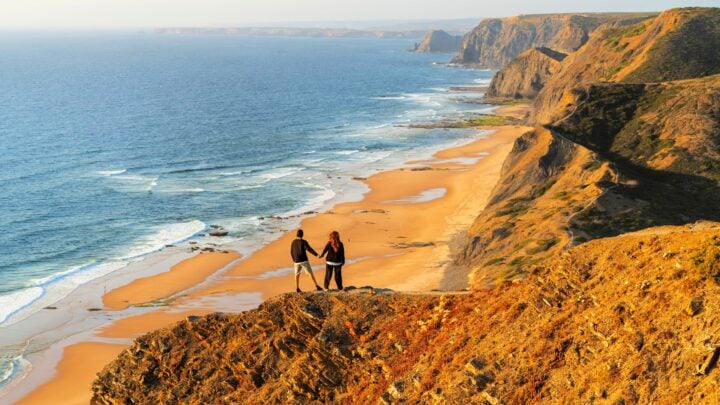
There’s a particular kind of daydream that tends to arrive somewhere around your early sixties, usually while you’re standing in the queue at the chemist or waiting for the kettle to boil, and it goes something like this: what if we just … left? Not forever, necessarily. Not dramatically. Just somewhere warmer, cheaper, slower, where the pension stretches further and the winters don’t get into your knees the way they’ve started to lately.
I’ve had that daydream more than once myself, and after we covered the new RUMAVI Global Relocation Index this week, which found Malaysia, Panama and Portugal sitting at the very top of the world’s best places to retire, I decided to actually do the homework rather than just admire the fantasy from a distance. What would it genuinely look like for an Australian couple to retire in each of these places? Where would you actually live, would you buy or rent, and how would it stack up against staying put?
Here’s what I found.

Malaysia
Where you’d actually settle. Penang has long been the classic choice, and it’s easy to see why – a genuinely liveable, walkable island with excellent hawker food, a strong healthcare system and a well-established expat community. Kuala Lumpur and the wider Klang Valley remain the most popular pick overall for retirees on the MM2H visa, offering the deepest banking access and the widest range of international schools and medical facilities, useful if grandchildren ever come to visit for an extended stay. For something considerably more affordable and low-key, Langkawi is worth a look too, with homes available from around $80,000 to $200,000 and a genuinely relaxed island pace.
The visa. Malaysia’s My Second Home program, MM2H, was substantially overhauled in 2026 into a tiered system. The entry-level Silver tier requires a fixed deposit of USD150,000 and a qualifying property purchase of at least RM600,000, with Gold and Platinum tiers requiring considerably more. It’s worth knowing upfront that this is now a genuinely structured investment-migration program, not the casual retirement visa it once was.
Buying versus renting. This is where Malaysia gets genuinely complicated, and worth understanding before you fall in love with a particular suburb. Foreign property minimums vary dramatically by state and have shifted considerably. Penang Island itself now demands a minimum purchase price of RM3 million for foreigners, a serious jump that’s pushed many retirees toward the mainland or other states instead. Melaka and Perlis remain considerably more accessible, with minimums as low as RM500,000. On top of the purchase price, foreign buyers now pay a flat 8 per cent stamp duty on residential property, doubled from 4 per cent at the start of 2026. Given how much these thresholds vary, and given the MM2H visa itself typically requires a qualifying property purchase as part of the program, renting first for a year while you get the lay of the land is a genuinely sensible approach many retirees take before committing to buy.
What it actually costs. A couple can live comfortably in Malaysia on somewhere between $1,500 and $2,200 USD a month, roughly $2,300 to $3,400 AUD, covering accommodation, food, healthcare and everyday living. That’s a meaningful step down from the cost of a comfortable retirement in most Australian capital cities.
Panama
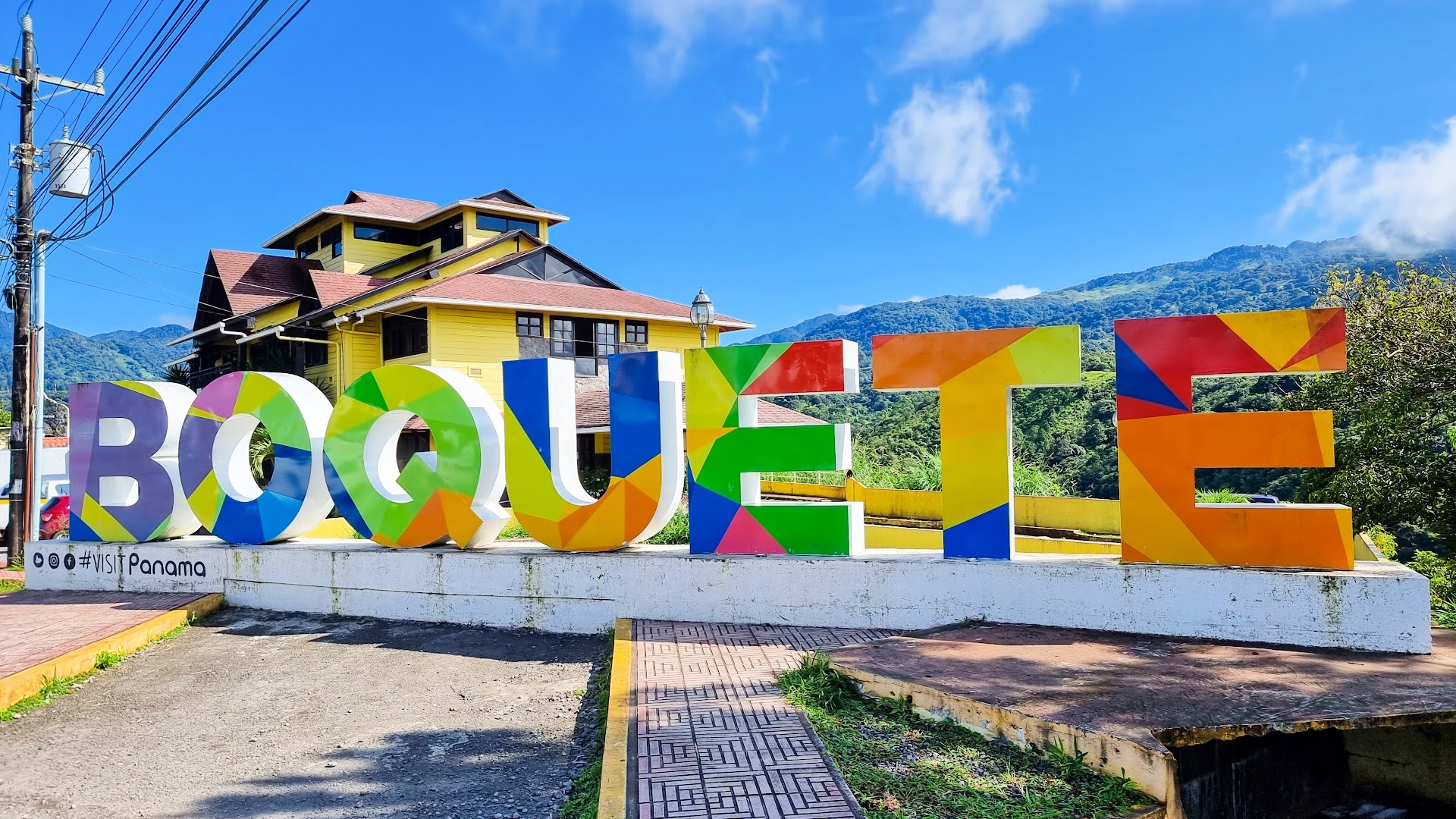
Where you’d actually settle. Panama offers three genuinely distinct lifestyles depending on what you’re after. Boquete, up in the Chiriquí highlands, sits at nearly 4,000 feet with a spring-like climate year-round, cool nights, morning mist and a strong, well-established expat community, popular with retirees who’d rather skip the tropical humidity altogether. Coronado, on the Pacific coast, offers the classic beach retirement with genuinely good infrastructure and a large expat presence. Panama City itself is the cosmopolitan option, offering world-class healthcare and every modern convenience you’d expect from a genuine international capital, at a fraction of what equivalent care costs in Australia or the US.
The visa. The Pensionado visa is genuinely one of the most generous retirement visa programs anywhere in the world. It requires proof of just $1,000 USD a month in pension income, which most Australians receiving a decent superannuation drawdown or even a full Age Pension would clear without much trouble, and grants permanent residency along with legally mandated discounts, including 25 per cent off dining and 15 per cent off private healthcare. Processing typically takes four to six months.
Buying versus renting. Panama makes this refreshingly straightforward. Foreigners, including Australians, are permitted to buy property outright, and Panama City condos start from around $160,000 in areas like Punta Pacifica, with plenty of choice further up the coast in Coronado or in the highlands around Boquete. The US dollar is Panama’s official currency, which removes exchange rate risk entirely from the equation, a genuinely underrated benefit when you’re trying to plan a retirement budget years in advance. Many retirees still choose to rent for the first year to properly test out a region before committing.
What it actually costs. A couple can live comfortably in Panama on roughly $2,000 to $3,000 USD a month, around $3,000 to $4,600 AUD, and Panama levies no tax at all on foreign-sourced income, meaning an Australian pension or super drawdown arrives largely untouched by local tax.
Portugal
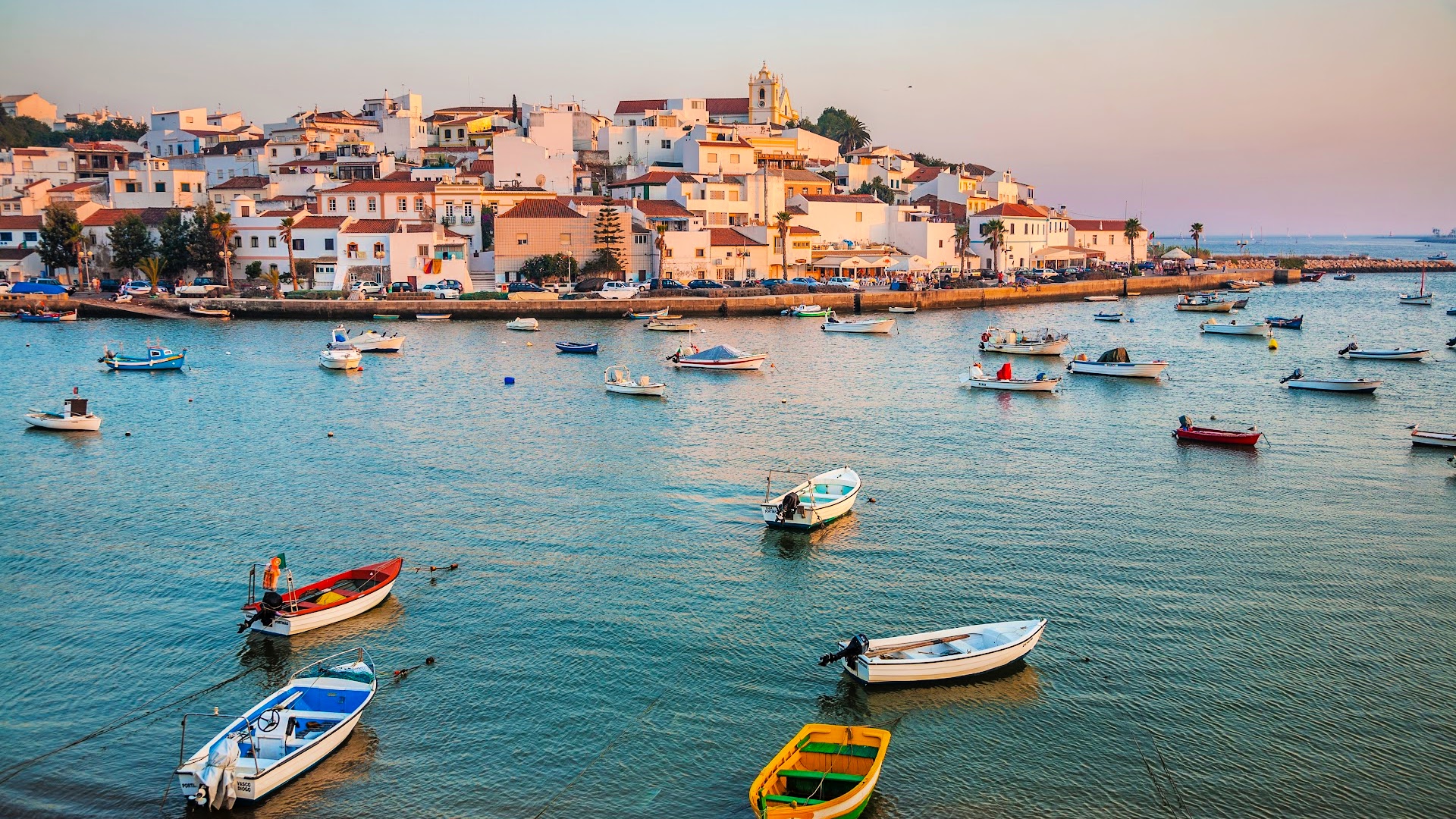
Where you’d actually settle. The Algarve remains the classic choice for a reason – over 300 days of sunshine a year, an enormous and well-established English-speaking retiree community, and towns like Lagos, Tavira and Faro offering everything from golf to beaches to a proper local market on a Saturday morning. If the Algarve’s popularity has pushed prices higher than you’d like, the Silver Coast north of Lisbon, around Caldas da Rainha, Óbidos and Nazaré, offers a quieter, considerably more affordable alternative with its own genuine Atlantic charm. For something completely different, Madeira offers a subtropical, spring-like climate year-round and a tight-knit community centred on Funchal.
The visa. The D7 visa, sometimes called the Retirement or Passive Income Visa, remains one of the most accessible pathways into Europe for retirees. As of 2026, it requires proof of at least €920 a month in passive income for the main applicant, rising by 50 per cent for a spouse, meaning a couple needs to demonstrate roughly €1,380 a month combined, comfortably achievable for most Australian retirees drawing a reasonable pension or super income. It’s worth knowing that Portugal’s old NHR tax break, which once made pension income particularly attractive for new arrivals, has ended, so it’s worth getting proper tax advice before making the move rather than assuming the old rules still apply.
Buying versus renting. Unlike Malaysia, the D7 visa carries no property purchase requirement at all, and a simple 12-month rental lease is perfectly sufficient to satisfy the accommodation requirement. This makes Portugal genuinely the easiest of the three to test out slowly, renting for a year or two in your chosen region before deciding whether to buy. When you’re ready, foreign buyers face no restrictions on Portuguese property ownership.
What it actually costs. Costs vary more by region here than in either Malaysia or Panama, with the Algarve sitting at the pricier end and the Silver Coast offering meaningfully better value, but a comfortable retirement for a couple generally remains well below the cost of retiring comfortably in most Australian capital cities, even before accounting for Portugal’s excellent, low-cost public healthcare system.
How does it actually compare to staying in Australia?
Here’s where I want to be honest rather than just seductive about it. According to the Association of Superannuation Funds of Australia, a “comfortable” retirement for a couple here currently sits at around $78,566 a year, or roughly $6,547 a month. Every single one of these three countries offers a genuinely comfortable retirement for meaningfully less than that, in some cases for less than half.
But the daydream and the reality are two different things, and it’s worth being clear-eyed about what you’d actually be trading. Grandchildren don’t fit neatly into a fortnightly flight schedule. Medicare doesn’t follow you overseas, and private health insurance arrangements need proper, careful planning before you go. The language, the bureaucracy, the sheer distance from everyone and everything familiar, all of it is real, and none of it shows up in a cost-of-living spreadsheet.
What I’d genuinely suggest, if any of this has caught your imagination the way it caught mine, is treating it exactly the way these retirees themselves generally do: rent first, for a proper stretch, before you buy anything or commit to anything permanent. Go and actually live in Boquete or the Algarve or Penang for three months before deciding whether you want to live there for the next twenty years. The dream survives contact with reality far better when you’ve actually tested it first.
If an extended trial run to any of these destinations has found its way onto your own list, the team at Travel at 60 can help you plan the visit properly, long before you need to think about visas or removalists.
YOU MAY LIKE THIS: The 20 best places to retire in Australia





 Proudly Australian owned and operated
Comments 0
Join the conversation. Comments are reviewed before they appear.
Be the first to comment.
Join the conversation
Tell us who you are to post a comment. We'll remember you next time.