
Australia’s best places to retire in 2026 – the Top 20 revealed: and the number one town that led every dimension we measured


The countdown is complete.
Over the past week, Starts at 60 has revealed the Top 20 Best Places to Retire in Australia for 2026 – a ranking built from seven weighted dimensions and weeks of data analysis.
The top five towns on this list all scored strongly across multiple dimensions. Separating them was genuinely difficult. Each has a legitimate case to be number one for the right person. But one of them – consistently, across dimension after dimension – came out ahead.
Here are the 20 places to retire in Australia in 2026.
PLACE 20: Warrnambool, Victoria
At the western end of the Great Ocean Road, Warrnambool is one of those towns that retirement lists consistently overlook – partly because it is three hours from Melbourne, and partly because it lacks the coastal glamour of its neighbours along the Great Ocean Road.
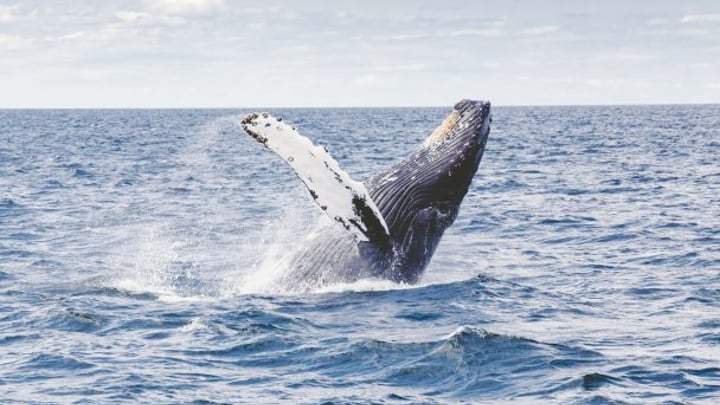
What it has instead is substance. South West Healthcare is a genuinely strong regional hospital network, housing affordability is exceptional relative to its coastal peers, and the community is warm and established in a way that matters when you are new to a town and need to build a social network from scratch. The coastline is dramatic, the whale-watching season from June to September is world-class, and the food scene has improved remarkably in recent years.
The climate is cool and fresh – temperate without the inland cold of Ballarat or Bendigo – and the flat terrain of the town makes it accessible as mobility changes with age. It is a genuinely excellent retirement town that most Australians have never seriously considered, and that is largely its advantage.
Best for: Affordability, coastal lifestyle, community warmth, Victorian coastal climate. Consider: Three hours from Melbourne means major specialist access requires planning.

PLACE 19: Hobart, Tasmania
Hobart is unlike anything else on this list. It is a genuine capital city – with all the healthcare infrastructure, cultural richness and service depth that implies – at a fraction of the cost of its mainland equivalents. The Royal Hobart Hospital provides strong acute care, the food scene anchored by the famous and MONA’s restaurant is internationally recognised, and the natural surroundings – kunanyi/Mount Wellington looming over the city, the Huon Valley to the south, the Derwent River running through the heart of it — are extraordinary.
The honest caveat is the one that has always applied to Hobart: the winter. It is cold. It is grey. It is long. For Australians coming from Queensland or coastal NSW, the adjustment is real. But for those who grew up with four seasons and miss them, or who prioritise culture, extraordinary food, outstanding natural beauty and genuine capital-city healthcare infrastructure over sunshine, Hobart belongs considerably higher on this list than its position here suggests.
Best for: Cultural richness, healthcare, food, affordability relative to mainland capitals. Consider: Cold winters; mainland travel requires a flight.
PLACE 18: Geelong, Victoria
Geelong has spent most of its history being described as Melbourne’s poor relation – the city you pass through on the way to the Great Ocean Road. That characterisation has not been accurate for years, and it is increasingly absurd.
Barwon Health is one of Victoria’s strongest regional hospital networks. The Bellarine Peninsula and Surf Coast are accessible within minutes. Housing costs remain meaningfully lower than Melbourne’s, though the gap is closing as Melbourne retirees make the move in increasing numbers. The waterfront precinct has been transformed, the café and restaurant scene is genuinely good, and the community – with a strong sporting identity anchored by the Cats – has a warmth and pride that translates well to the experience of newcomers.
For Victorians who want Melbourne-adjacent living at Melbourne-minus prices, with strong healthcare and genuine coastal access, Geelong is the obvious and underpriced choice.
Best for: Victorian healthcare, Melbourne proximity, coastal and bay access, community. Consider: Property prices rising quickly as sea-change migration accelerates.
PLACE 17: Townsville, Queensland
Townsville is North Queensland’s most practical retirement city – and it is considerably more practical than most people realise. Townsville University Hospital provides strong regional healthcare including specialist services, housing affordability is genuinely excellent relative to its coastal Queensland peers, and the lifestyle access it provides is extraordinary – Magnetic Island is a 20-minute ferry ride away, the Whitsundays are within striking distance, and Cairns and the Great Barrier Reef are easily accessible for day trips and short stays.
Best for: Affordability, North Queensland access, coastal lifestyle, healthcare. Consider: Summer heat and humidity are significant; cyclone insurance is essential.
PLACE 16: Echuca, Victoria
The Murray River is one of Australia’s great retirement playgrounds, and Echuca is its most charming town. The historic paddle steamers, the river beaches, the houseboats, the extraordinary sunsets over the Murray – there is a quality of life here that is entirely distinctive and impossible to replicate anywhere else.
Echuca’s healthcare has improved significantly, the Echuca Community for the Aged provides strong residential and community care options, and housing affordability remains excellent. The community is warm and genuinely welcoming to newcomers – Echuca has been attracting retirees for long enough that the infrastructure and social networks designed to welcome them are well established.
The caution is simple and important: flood risk along the Murray is real and has been dramatically demonstrated in recent years. Research flood overlays thoroughly before purchasing property, and speak to locals and insurance providers about the practical implications. The right property in Echuca is extraordinary. The wrong one could create significant stress.
Best for: Murray River lifestyle, affordability, community warmth, distinctive character. Consider: Flood risk requires serious property due diligence.
PLACE 15: Ballina, New South Wales
Byron Bay has spent the past decade pricing itself out of reach for almost everyone, including the retirees who have been quietly making the Northern Rivers their home for thirty years. The good news is that the qualities that made the Northern Rivers attractive in the first place – the climate, the beaches, the food, the relaxed culture, the extraordinary natural environment – do not begin and end at Byron Bay’s town boundary.
Ballina, sitting at the mouth of the Richmond River just 30 kilometres south of Byron, offers almost everything Byron does at a fraction of the cost. The beaches are excellent, the climate mirrors Byron’s warmth without the tourist congestion, and the Ballina District Hospital provides solid regional healthcare that is supplemented by the Gold Coast University Hospital less than an hour north for specialist needs.
The Ballina community has a warmth and accessibility that Byron – increasingly overrun with visitors and second-home owners – has somewhat lost. Local cafés, the Richmond River foreshore, the coastal walks and the proximity to Lennox Head and Evans Head give retirees a genuinely rich lifestyle at a genuinely accessible price point.
Best for: Northern NSW climate, affordability relative to Byron, coastal lifestyle, community. Consider: Complex specialist needs may require travel to Gold Coast or beyond.
PLACE 14: Mount Barker, South Australia
For most Australians who don’t live in South Australia, Mount Barker is a name that registers vaguely – somewhere in the Hills, isn’t it? – and nothing more. That lack of recognition is entirely undeserved and represents one of retirement planning’s great missed opportunities.
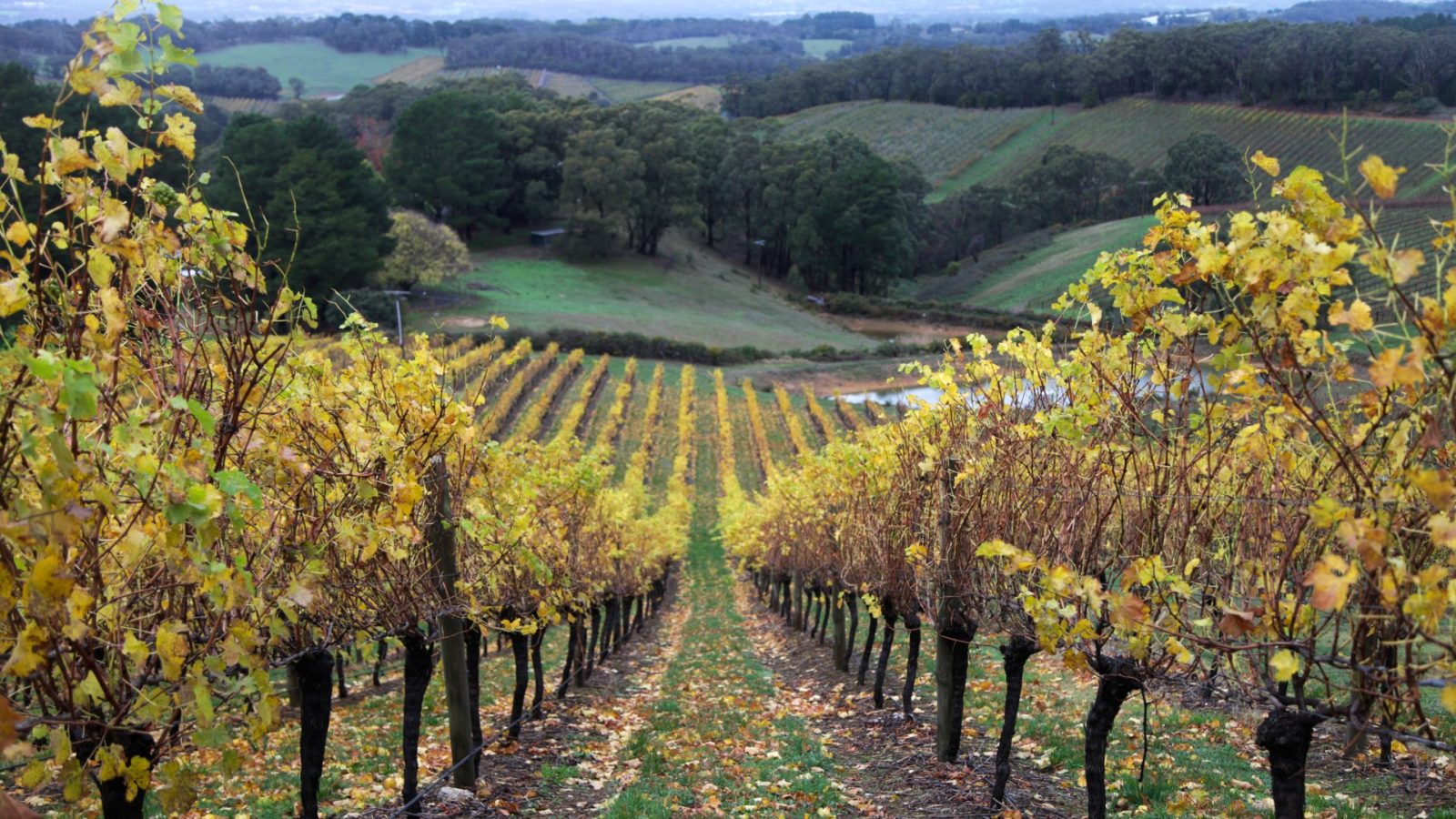
Mount Barker sits in the Adelaide Hills wine region, 35 kilometres from the Adelaide CBD – close enough to access world-class city healthcare, major hospital infrastructure, specialist services and city amenities within 45 minutes, while offering a lifestyle and housing affordability that Adelaide city itself cannot match. The surrounding wine country – with cellar doors, farm-gate produce and rolling Hills scenery – is extraordinary and on the doorstep.
Citro’s retirement research highlighted Mount Barker specifically for vineyard ventures and active retirement, noting it as one of the standout discoveries in their national analysis. The town has invested significantly in infrastructure as its population has grown, and the community has a welcoming character that comes from being a place people actively choose rather than one they simply end up in.
Best for: Adelaide Hills lifestyle, wine region access, Adelaide proximity, affordability. Consider: Car-dependent; public transport to Adelaide is limited and should be factored into long-term planning.
PLACE 13: Coffs Harbour, New South Wales
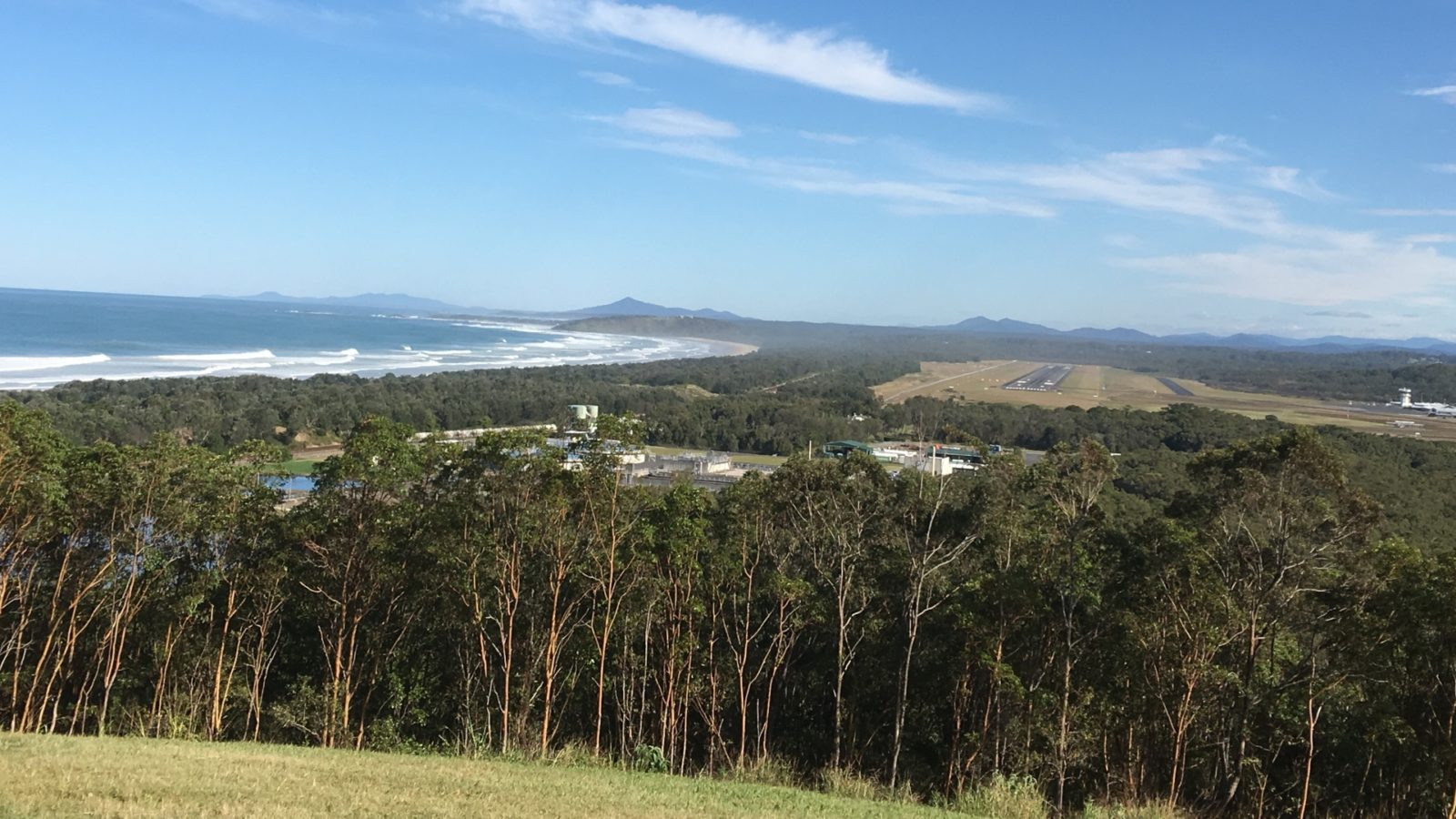
Coffs Harbour sits at the climate sweet spot of the NSW mid-north coast – warm enough to feel genuinely Mediterranean, cool enough in winter to be comfortable, without the humidity of Queensland or the extremes of inland NSW. For retirees from southern states who want warmth without the full tropical experience, Coffs is precisely calibrated.
The Coffs Harbour Health Campus provides strong regional hospital services – better than many towns of comparable size – and specialist access is meaningfully better than in smaller mid-north coast towns. Housing affordability remains better than Port Macquarie to the south, though the gap has narrowed over recent years as the mid-north coast has attracted increasing migration.
The banana plantations, the beaches, the Solitary Islands Marine Park and the hinterland drive toward Bellingen and Dorrigo make Coffs a genuinely rich lifestyle environment. The Butterfly House, the jetty precinct and the increasingly good food scene have quietly made Coffs a more interesting town than its sometimes-unfair reputation suggests.
Best for: Mid-north coast climate, growing healthcare, affordability relative to coast. Consider: Significant rain events are a feature of this part of NSW; research flood risk carefully before purchasing.

PLACE 12: Mandurah, Western Australia
For Western Australians who want coastal retirement living within practical reach of Perth – and all the specialist healthcare, cultural life and family connection that implies – Mandurah is the answer that the data consistently supports.
Mandurah, located south of Perth, is one of Western Australia’s most affordable coastal cities – offering reasonably priced housing options for retirees, a strong community focus that reduces the risk of social isolation, and good medical and hospital infrastructure. The Peel Health Campus has been significantly expanded in recent years, and the Mandurah to Perth rail connection puts the city within an hour of Fiona Stanley Hospital and Perth’s full specialist network.
The Peel Inlet and Harvey Estuary are beautiful – genuinely stunning bodies of water that support boating, fishing, kayaking and simply sitting by the water with something warm in hand. The community has a strong retiree culture, which means the social infrastructure specifically designed for older residents is among the best-developed of any comparable WA city.
The summer heat caveat is genuine and worth stating clearly: Mandurah regularly experiences 40-degree days in January and February, and for those with heat-sensitive health conditions this is a real planning consideration.
Best for: WA coastal affordability, Perth rail access, estuary lifestyle, retiree community. Consider: Summer heat is extreme; air conditioning is not optional.
PLACE 11: Noosa, Queensland
Noosa is objectively one of the most beautiful retirement environments in Australia. The national park, the river, the main beach, the restaurants on Hastings Street, the network of walking trails through the hinterland and along the coast – there is almost nothing about the natural and lifestyle environment of Noosa that is not exceptional.
The healthcare picture has improved dramatically with the Sunshine Coast University Hospital now accessible within a reasonable drive, providing the kind of specialist coverage that has historically been a limitation of the Sunshine Coast’s northern end. The community of retirees is sophisticated and engaged, and the cultural and social life of the town is rich in ways that extend well beyond its reputation as a tourist destination.
The honest conversation about Noosa is the same one it has always been: it is expensive, and it is becoming more so. For those with significant equity to release from a larger city property, or with healthy superannuation balances, Noosa is genuinely outstanding. For those on the Age Pension supplemented by modest super, it is a stretch that requires careful financial planning before committing.
Best for: Lifestyle, climate, natural beauty, improving healthcare, restaurant scene. Consider: High and rising property costs; this is premium retirement living requiring premium retirement finances.
PLACE 10: Bendigo, Victoria
If Ballarat is Victoria’s most famous inland retirement city, Bendigo is its quieter, slightly more underestimated sibling – and on several dimensions it actually outperforms its more celebrated rival.
Bendigo Health is consistently rated as one of the strongest regional hospital networks in Victoria, with excellent specialist coverage that goes well beyond what most cities of 120,000 people can offer. The cultural infrastructure is extraordinary – the Bendigo Art Gallery runs exhibitions that attract visitors from Melbourne, the theatre scene is strong, and the historic streetscape of the central city is genuinely beautiful. The food scene has improved markedly over the past decade.
Housing affordability, while rising, remains meaningfully below Melbourne levels. The community has warmth and stability – Bendigo has been attracting retirees long enough that the social networks, community organisations and services designed for older residents are deeply embedded. And for golfers, the array of courses accessible from Bendigo is among the best of any regional city in Australia.
The winter caveat applies here as it does to Ballarat: Bendigo gets cold. Not as cold as Ballarat, but cold enough that those coming from warmer climates should factor it seriously into their planning.
Best for: Victorian healthcare, cultural richness, affordability, community infrastructure, golf. Consider: Cold winters; summer can be hot with occasional extreme heat days.
PLACE 9: Toowoomba, Queensland
For anyone who has assumed that a Queensland retirement necessarily means heat, humidity and the coastal lifestyle lottery, Toowoomba is the corrective.
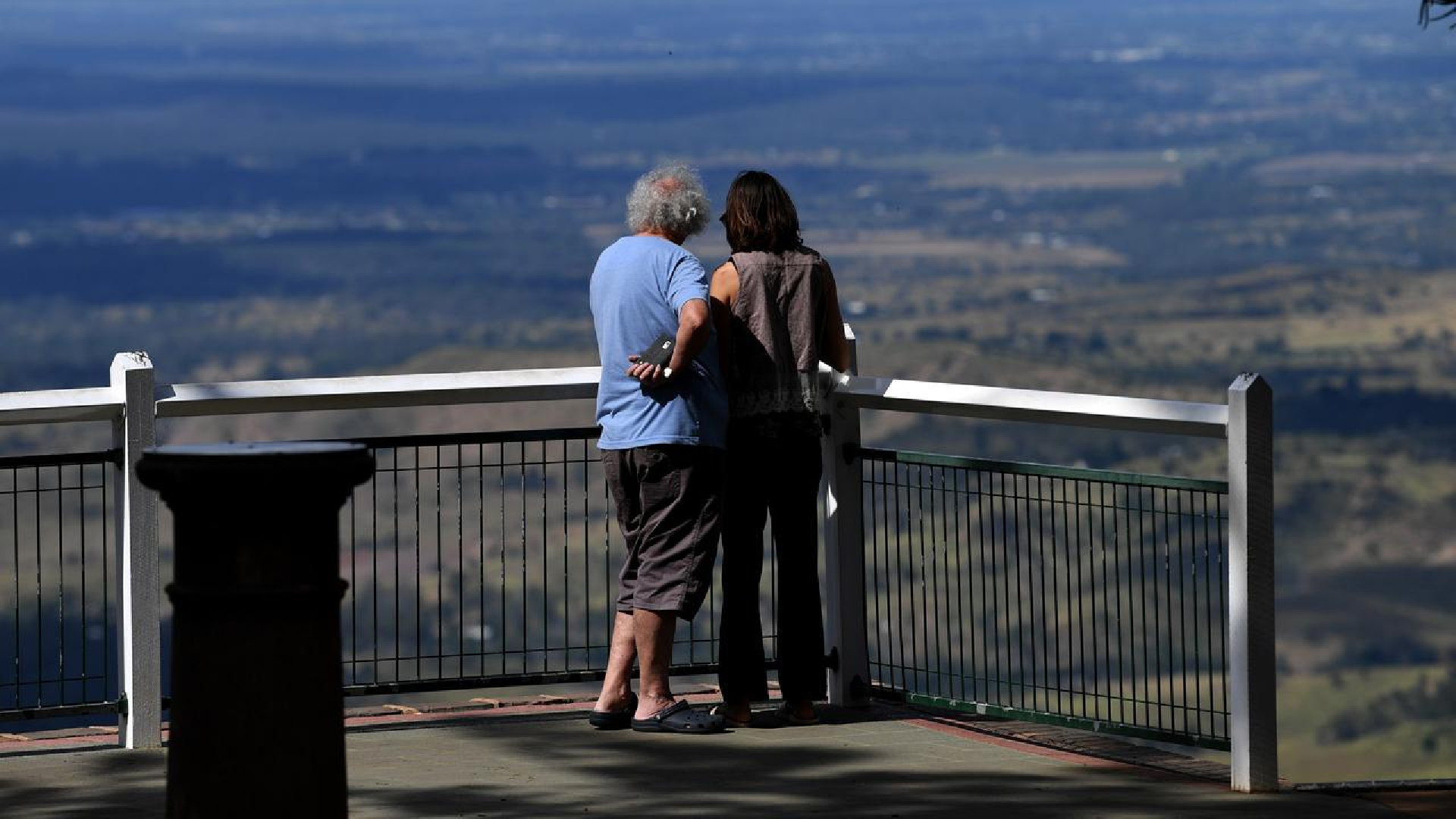
Sitting 700 metres above sea level on the edge of the Great Dividing Range, Toowoomba has a climate that is genuinely unlike anywhere else in Queensland. The summers are warm but manageable – significantly cooler than Brisbane, dramatically cooler than Cairns or Townsville. The winters are cool and sometimes cold but never harsh. And the famous Carnival of Flowers each September turns the city into one of the most spectacular horticultural shows in Australia.
The healthcare infrastructure is strong for a regional city, with Toowoomba Hospital providing solid acute care and a reasonable spread of specialist services. Housing affordability remains excellent – meaningfully below the Gold Coast and Sunshine Coast, and with the kind of properties that give retirees genuine space and garden for a price that coastal alternatives cannot match.
The city is self-contained in a way that matters – Toowoomba has everything you need without requiring a long drive to access it. And for those who want the beach occasionally, the Sunshine Coast and Gold Coast are both reachable in under two hours.
Best for: Queensland climate (without the extremes), affordability, self-contained services. Consider: Inland character – less beach lifestyle than coastal Queensland alternatives.
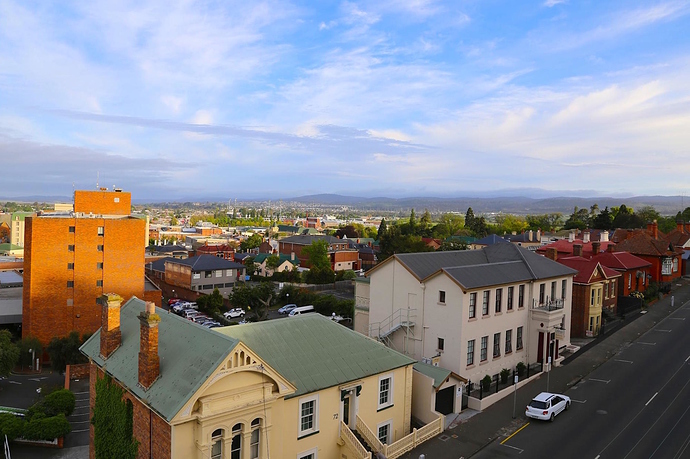
PLACE 8: Launceston, Tasmania
Every year, more mainlanders make the move to Launceston. And every year, the people who already live there wonder why it took everyone so long to notice.
Launceston offers affordability, excellent medical facilities including Launceston General Hospital, a vibrant arts and cultural scene, and the kind of slower pace that allows retirees to maintain an active social life without big-city stress. The Tamar Valley wine region is on the doorstep, the food scene has become genuinely world-class, and the natural environment – the Cataract Gorge in the centre of the city, the endless forests and rivers of the hinterland – is extraordinary.
For those coming from Sydney or Melbourne, the financial equation of the Launceston move is often revelatory. Sell a Sydney apartment and buy a Launceston heritage home with a garden, a garage and money left over. That equation is increasingly what is driving Tasmania’s retiree migration – and Launceston is the primary beneficiary.
The cold winter disclaimer is consistent and accurate. Launceston’s winters are genuine – cold, sometimes frosty, requiring proper heating and warm clothing. But for those who grew up with four seasons and have spent years in subtropical or tropical Australia missing them, Launceston delivers seasons of extraordinary distinctiveness and beauty.
Best for: Affordability, food and wine culture, natural beauty, Tasmanian healthcare. Consider: Cold winters; mainland travel requires a flight.
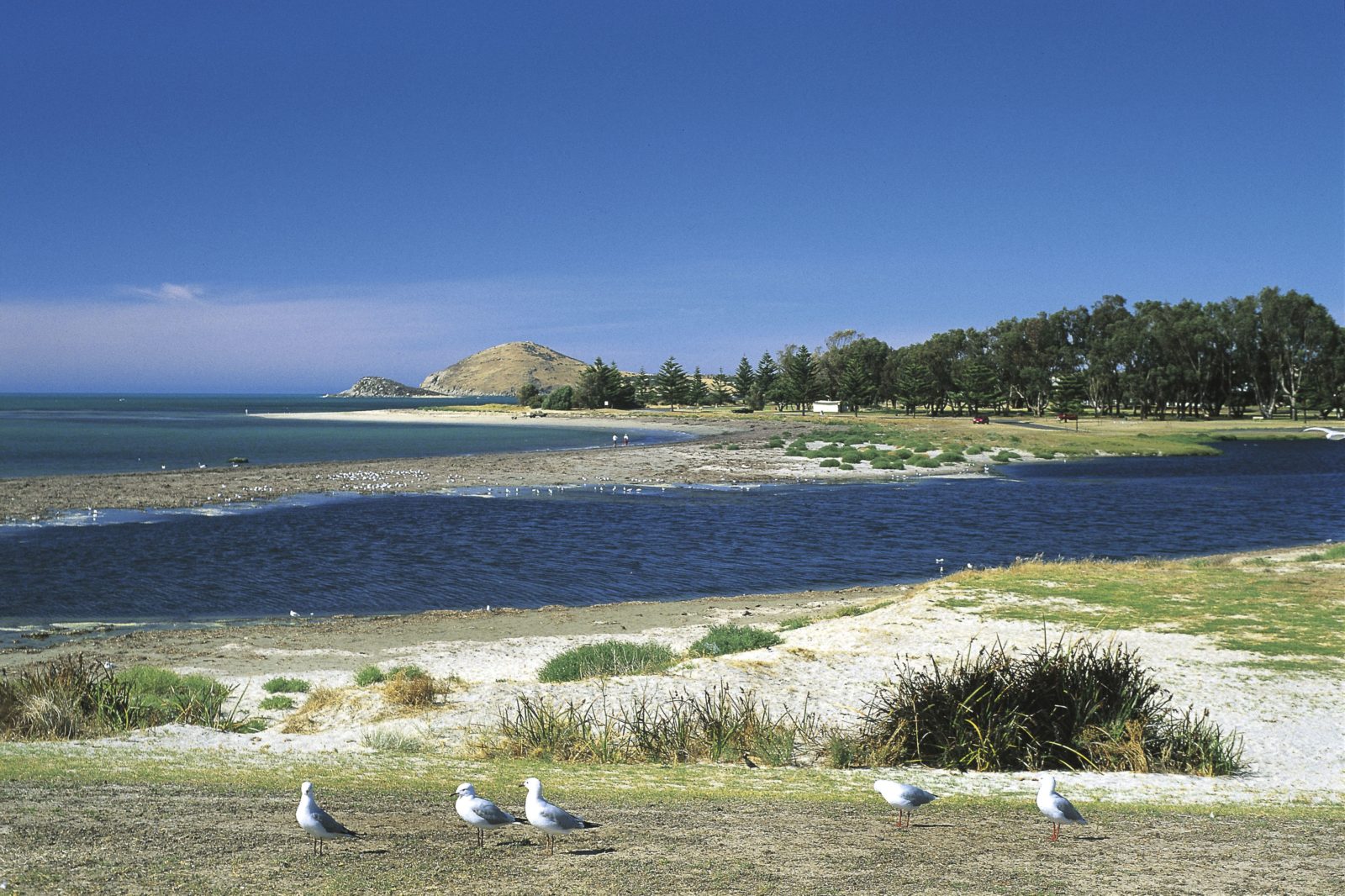
PLACE 7: Victor Harbor, South Australia
Victor Harbor is the retirement destination that South Australians have always known about and that the rest of the country is only now beginning to discover – and the discovery, when it comes, is usually accompanied by the question: why didn’t anyone tell me about this sooner?
Located about an hour from Adelaide, Victor Harbor combines coastal living with affordability – a rare combination in Australia. It has invested heavily in senior-friendly services and infrastructure, and provides access to Adelaide’s city-level healthcare without city-level housing costs.
The Fleurieu Peninsula setting is simply beautiful – the Southern Ocean coast, the Encounter Bay, the horse-drawn tram across the causeway to Granite Island, the penguins that come ashore at dusk. Victor Harbor is the kind of town that makes you wonder why you waited so long. The community is warm, the services are well-developed, and the drive to Adelaide – for the Royal Adelaide Hospital, for major specialists, for family connections – is manageable.
The only meaningful limitation is the same one that applies to any smaller town: for highly complex or highly specific specialist needs, the Adelaide connection is not just helpful but necessary. Anyone managing a serious ongoing health condition should map the Victor Harbor-to-Adelaide route before committing.
Best for: SA coastal affordability, Adelaide proximity, community, Fleurieu lifestyle. Consider: Major specialist access requires the Adelaide drive; summer can be hot.
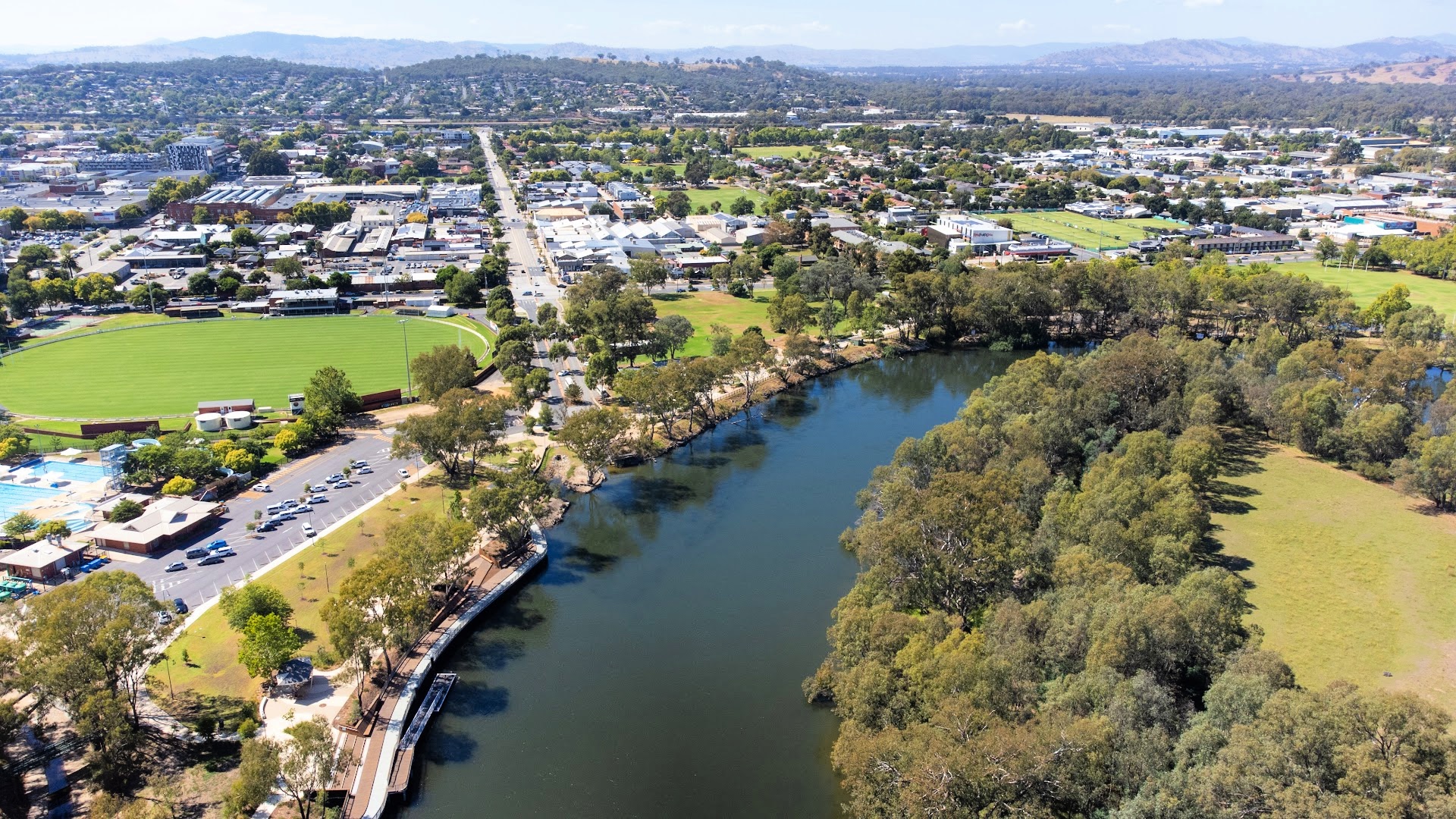
PLACE 6: Albury-Wodonga, New South Wales and Victoria
Here is our most underrated retirement city – and we mean that designation seriously.
Ask most Australians to name the best places to retire and Albury-Wodonga does not appear on the list. It is not glamorous. It does not have a famous beach or a famous wine region attached to its name. It sits in the middle of the country, on a river, straddling a state border, and it gets on with things quietly and effectively.
And that, precisely, is why it belongs at number six.
Albury offers something many retirees value deeply: practicality. Straddling the NSW–Victoria border, it provides access to services across two states, strong healthcare facilities, and a cost of living well below major capitals. The $558 million Albury Wodonga Regional Hospital project is one of the largest regional health projects currently underway in NSW and Victoria, delivering more beds, more car parking and state-of-the-art healthcare facilities on a single consolidated site.
Think about what that means. This is not a town with declining healthcare infrastructure – it is a town with actively improving, purpose-built, state-of-the-art healthcare infrastructure. Combined with the dual-state access to services and concessions, Murray River lifestyle, strong affordability and genuine community warmth, Albury-Wodonga offers a retirement proposition that its more famous competitors cannot match on the practical dimensions that matter most as you age.
The river lifestyle – the Murray, the Hume Weir, the surrounding national parks – gives it genuine beauty alongside the practicality. And for families with connections on either side of the state border, the location is often surprisingly convenient.
Best for: Healthcare trajectory, affordability, dual-state access, Murray River lifestyle, practicality. Consider: Summers are hot; not a coastal lifestyle town – know what you are choosing.
PLACE 5: Orange, New South Wales
Before we started building this ranking, one of our team raised Orange as a genuine contender for the top five and was met with polite scepticism. By the time the data was in, the scepticism had disappeared entirely.
Orange claimed the top position for retirement locations when balancing quality with affordability, offering a median dwelling price of $665,000 alongside a thriving food and wine scene, strong healthcare infrastructure and an active community with festivals, markets and cultural events year-round.
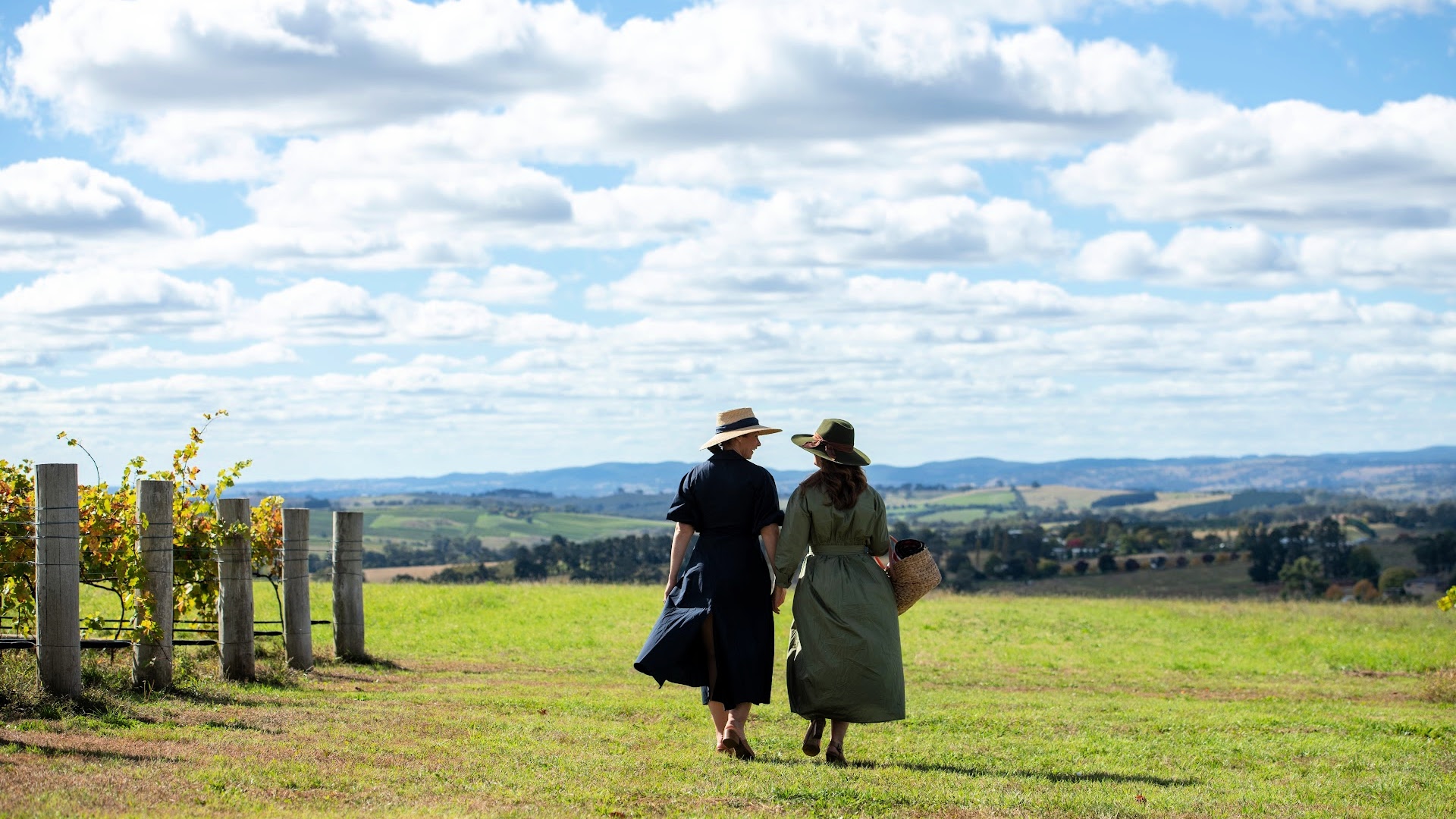
What the data cannot fully capture – but what the growing community of retirees who have made the move to Orange will tell you freely – is the warmth of it. Orange is a town that is deeply proud of what it produces: the stone fruit, the cool-climate wines, the restaurants that have earned recognition far beyond regional New South Wales. The food culture here is not a veneer applied for tourist appeal. It is the genuine expression of a community that takes extraordinary produce seriously.
The four seasons are real – including proper winters with frost and occasional snow on Mount Canobolas – and this genuinely divides opinion. For those who grew up with seasons and miss them, Orange is a revelation. For those who moved to Queensland specifically to escape the cold, it is not the right choice. Know which camp you are in before you commit.
The healthcare infrastructure is strong for a regional city of its size, and the community – well-established and genuinely welcoming to newcomers – makes the social transition into retirement considerably easier than in towns where everyone already knows each other for forty years.
Best for: Affordability champion, food and wine lifestyle, community, four genuine seasons. Consider: Cold winters; not for those who moved to Queensland to escape them.
PLACE 4: Sunshine Coast, Queensland
The Sunshine Coast earns its place in the top five by doing something that most destinations on this list cannot: delivering genuinely outstanding scores across every dimension simultaneously.
The Sunshine Coast combines natural beauty with excellent infrastructure. Retirees enjoy its relaxed beach lifestyle, strong healthcare options and easy access to Brisbane, with vibrant retiree communities across Noosa, Caloundra and Buderim.
The Sunshine Coast University Hospital transformed the region’s healthcare capacity when it opened, and the combination of that facility plus the network of private hospitals and specialist practices now gives the Sunshine Coast healthcare infrastructure that rivals many capital cities. The climate is outstanding – warm winters, manageable summers, lower humidity than Brisbane – and the lifestyle environment is simply beautiful.
The trade-off has always been affordability, and it remains so. The Sunshine Coast is not a budget retirement destination, and it is becoming less so each year as interstate migration drives property prices higher. However – and this is an important distinction – Buderim, Caloundra and the southern Sunshine Coast offer meaningfully better affordability than Noosa while sharing the same hospital, the same beaches and much of the same lifestyle. Where you land within the Sunshine Coast region matters significantly for your cost of living calculation.
Best for: Queensland climate, outstanding healthcare, coastal lifestyle, Brisbane proximity. Consider: Affordability varies dramatically by suburb – research carefully; northern areas are now expensive.

PLACE 3: Ballarat, Victoria
Ballarat’s position at number three will surprise some readers and delight others. It will particularly delight the Victorians who have been watching Ballarat transform over the past decade and wondering when the rest of the country would notice.
The last few years have seen a large number of Melburnians make the move west, and the new wave of artists, chefs, winemakers, artisan tradespeople and professionals has made Ballarat brim with more life than ever – making it perfect for retirees who still want to be part of the action.
Ballarat Base Hospital is one of the stronger regional hospitals in Victoria. The cultural infrastructure is extraordinary for a city of its size – the Ballarat Art Gallery, the Museum of Australian Democracy at Eureka, Sovereign Hill, an active theatre scene and one of the most impressive dining scenes of any regional Victorian city. The architecture of the central city is genuinely beautiful, and the network of parks and gardens is exceptional.
On affordability, Ballarat remains meaningfully cheaper than Melbourne while the lifestyle gap has narrowed considerably. For retirees selling a Melbourne property and moving to Ballarat, the financial outcome of that transaction is often genuinely life-changing.
The winter is the honest and necessary caveat. Ballarat is cold. It was built by gold rush-era settlers who were presumably too busy digging to worry about climate, and the altitude means winters that other Victorian cities do not experience. The trade-off – four genuine seasons, extraordinary autumn colour, a spring and summer that are genuinely glorious — is one that many retirees find more than worth it.
Best for: Victorian healthcare, extraordinary cultural amenity, four seasons, Melbourne proximity. Consider: Cold winters are genuine – factor this seriously if you are heat-sensitive.

PLACE 2: Port Macquarie, New South Wales
Port Macquarie has appeared near the top of retirement lists for years, and the data consistently validates its position. It earns its place at number two not because it excels dramatically on any single dimension, but because it delivers reliably and strongly across almost all of them.
With 17 pristine beaches lining the coastline, plenty of bustling cafés, bowling greens and beach activities adding to a cosy village feel, excellent healthcare through Port Macquarie Base Hospital, and affordability that is a fraction of Sydney or the Central Coast, Port Macquarie is fairly idyllic as far as retiring in Australia goes.
The climate is the sweet spot that climate-seekers have always sought and rarely found: genuinely warm, mild winters that never feel punishing, summers that are warm without being extreme, and rainfall distributed across the year rather than concentrated in a wet season. The terrain is varied enough to be interesting – beaches, hinterland, river – without being inaccessible as mobility changes with age.
The healthcare infrastructure is impressive for a regional city of 85,000 – Port Macquarie Base Hospital punches above its weight, and the growing specialist presence reflects the significant and sustained in-migration of retirees who have been choosing this region for twenty years. The town has a critical mass of retirees large enough to support excellent social infrastructure, from bowling clubs and surf life saving clubs to arts groups, community gardens and volunteer networks.
Port Macquarie is what it has always been: the most reliably excellent all-round retirement destination on the NSW coast. The data agrees.
Best for: Climate, healthcare, lifestyle, beach and hinterland access, all-round consistency. Consider: Property prices have risen significantly; better value than Sydney but requires planning.
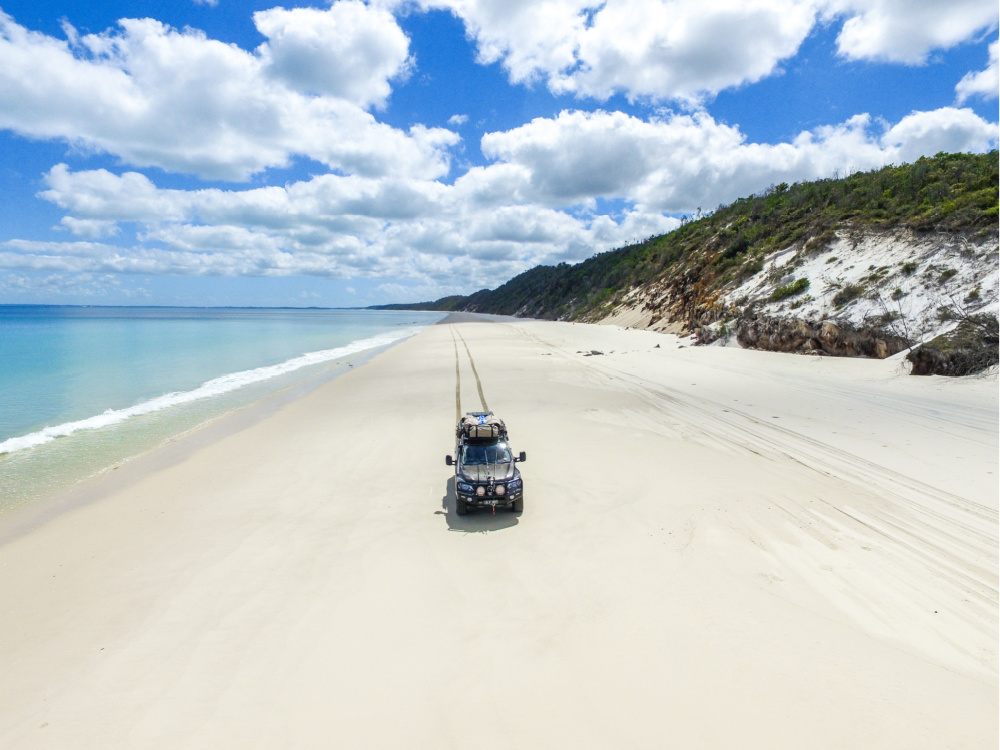
PLACE 1: Hervey Bay, Queensland
When the scores were tallied across all seven dimensions, one town came out ahead of every other location in Australia.
Hervey Bay.
It is, perhaps, the least surprising result. If you speak to retirement planning professionals, property researchers, aged care specialists or simply to the 100,000-plus Australians who have already made the move to Hervey Bay over the past two decades, a consensus emerges that is remarkably consistent: for the combination of factors that actually matter for retirement – not just the ones that photograph well – Hervey Bay leads the field.
Hervey Bay continues to top retirement lists in 2026, offering flat terrain, a warm but not extreme climate, strong hospital services and housing that remains more affordable than Brisbane or the Sunshine Coast. Hervey Bay Hospital and St Stephen’s Private Hospital together provide strong medical infrastructure, and the average house price of around $700,000 represents genuine value relative to comparable coastal towns.
The healthcare story is strong across all levels: GP availability, hospital services, specialist access, allied health and aged care infrastructure have all developed in response to a retiree population that has been growing here for decades. Hervey Bay has had long enough to get the services right, and largely it has.
The flat terrain – unglamorous but vital – matters enormously as people age. A town where you can walk to the shops, to the medical centre, to the beach, to the café and back without navigating hills or slopes is a fundamentally different and better retirement environment than one where every errand requires either a car or an incline.
The climate is warm year-round without the humidity of Cairns or the Wet Season of Darwin – the kind of Queensland climate that people who moved north were actually looking for, without the meteorological complications that come with the more tropical end of the state.
And then there is the whale watching. From July to November, humpback whales congregate in Hervey Bay in greater numbers and with greater frequency than almost anywhere else on Earth. They come to rest, to play, to nurse their calves in the protected bay. They are curious and unhurried and close. It is one of the genuine wonders of the natural world, available from a tender age to the very end of life, and it belongs to whoever lives here.
K’gari – Fraser Island – sits just offshore, the largest sand island on earth, accessible by ferry in forty minutes. The lifestyle access that proximity provides is extraordinary.
Hervey Bay is not perfect. No town is. The summers are warm and can be humid. The arts and cultural scene, while improving, does not rival Ballarat or Orange. But across the dimensions that determine whether retirement in a place is genuinely liveable, sustainable and satisfying for the long haul, Hervey Bay leads the field.
Number one. And the data says it isn’t particularly close.
Now we want to hear from you
Does your town belong on this list? Did we get the order wrong? Are you living in one of these places and want to tell the Starts at 60 community what it is actually like? The comments are open – and tomorrow we will publish a reader response story featuring the towns our community believes deserve a place.
Tell us below.
This ranking is based on publicly available data as at April 2026. It represents general information only and does not constitute financial or relocation advice. Personal circumstances vary significantly — always conduct your own research before making a relocation decision.
How we built the ranking
We assessed towns and cities across Australia against seven dimensions, each weighted to reflect how much they matter to people aged 60 and over.
Healthcare access was weighted most heavily, at 25 per cent of the total score. We looked at GP availability, hospital infrastructure, specialist access, allied health coverage and aged care facilities. A beautiful town with poor healthcare is not a retirement destination – it is a risk.
Affordability came second at 20 per cent – not just house prices, but the full cost of living: council rates, groceries, utilities and rental costs for those who don’t own.
Community and social infrastructure came in at 15 per cent. Loneliness is one of the leading health risks for older Australians, and a town’s social fabric – its clubs, groups, volunteer networks and community organisations – is as important as its medical infrastructure for healthy ageing.
Climate was weighted at 15 per cent, with particular attention to extreme heat days, humidity, flood and bushfire risk, and the general liveability of the outdoor environment across all four seasons.
Transport and connectivity accounted for 10 per cent – can you still live there if you can no longer drive? Is the NBN reliable enough for telehealth? How far is the nearest major hospital if you need specialist care?
Lifestyle amenity – cafés, restaurants, nature access, cultural facilities, sporting infrastructure – accounted for 10 per cent.
Finally, aged care and future planning – the quality and availability of aged care facilities for when you need them further down the track – contributed 5 per cent.
We cross-referenced published data from the Australian Institute of Health and Welfare, the Aged Care Quality and Safety Commission Star Ratings, CoreLogic, the Bureau of Meteorology, Medicare provider location data, and multiple retirement industry reports including Citro’s 2025 Top 50 Retirement Locations guide and Deloitte’s retirement research. We also drew on the extensive accumulated knowledge of the Starts at 60 community – the hundreds of thousands of Australians over 60 who read this publication and whose real-world experience of retirement living informed our qualitative assessments.
No methodology is perfect. A retirement destination is deeply personal – your ideal town will not be someone else’s. But we believe this framework is the most comprehensive, honest and practical retirement town ranking published in Australia.





 Proudly Australian owned and operated
Comments 40
Join the conversation. Comments are reviewed before they appear.
Surprise all east coast areas. Your articles are always so east coast biased.
Try Tenterfield, 4 seasons and easy access to the bustling metropolis's being touted here. And its only 150 km from the East Coast. ;-)
Some of the main reasons I moved here was we don't get the East Coast humidity, nor do we did the inland heat.
Mandurah is not east coast. Nor are the Adelaide-adjacent ones.
Absolutely Broadbeach on the Gold Coast should be included. Fine dining restaurants, beautiful beach, proximity to university hospitals, transport on the tram right out to Helensvale North and Coolangatta South. Numerous aged care facilities, golf courses and clubs. Everything is nearby to where I live - so much so that we've sold our second car. Approximately three weeks of mild winter - live in shorts for the rest of your life!! The only criteria it might fail on is affordability. Love it here!!
The Gold Coast traffic always seems to be a nightmare though
Minus points…Houses are very expensive . Traffic is heavy
I live in Mandurah WA and agree it’s a wonderful place to live.
Great medical facilities, plenty of places to dine, good surf and swimming beaches.
Also a Performing Arts theatre and movie theatre with water views of the Estuary.
Bus services to suburbs and Train to Perth all in close proximity of Mandurah Forum and City centre.
I live in Orange..ex Goldcoast. Give me Mandura any day!
A lovely retirement option!
there is a big seniors centre with fitness, art classes, daytime concerts, bingo, multiple games etc. A full restaurant and cafe are excellent and cheap, Very close to restaurants and entertainment venues by the foreshore.
Very interesting and well researched survey especially the focus on availability of medical services - very important for us seniors. Thank you!
Why do people not realise that the South coast of NSW is far more livable, especially climate wise. It has far less debilitating humidity. Added to that it is much more beautiful with glorious forests right to beach front areas. It is far less crowded and not over run with tourists as northern coast areas are!
I have wondered about the NSW south coast. It would be good to know more.
Well done with your comments. You have pinpointed a series of beautiful places to retire. The most difficult decision is to be where first level medical attention is available. We need that in old age and Australia covers a vast area. Not all medical help is equal.
Rubbish none of those places I would want to live in especially Ballarat freezing in the winter I would give the Sunshine Coast a miss as well.
Agree. I can't stand the cold and living in Darwin is perfect for me and has been for the past 46 years. Absolutely beautiful weather right now and I like the Wet. It rains a lot, everything is so g r e e n and it's not cold, what's not to like?
I lived in Hervey Bay from 2017 to 2023. The hospitals can't cope with the increased number of people that have moved there, especially during Covid. People have gone home rather than wait for hours in the ED or even gone to Maryborough 40kms away. A lot of medical procedures have to be done on the Sunshibe Coast or in Brisbane. Specialists visit every few months. A doctor friend of mine who worked in the hospital for years eventually relocated to Launceston because of the pressure.
I've lived in Hervey Bay for the past 7 years. I'm not surprised that Hervey Bay was rated no 1. I love the climate and walkability of Hervey Bay. I have had no issues with seeing a bulk billed GP when I need it. However, I agree with Petra's comments regarding specialist medical procedures being inadequate in Hervey Bay. My husband has to go to Brisbane for his regular endoscopy exams.
Yes do you know they don’t even have a non private urologist in Hervey Bay. Considering the thousands of aged people that’s very surprising.
Moved to Bendigo from Melbourne, several years ago and wish I'd done so sooner. Your article highlighted its strengths. Yes, there can be cold winter nights but these are often followed by cheerful sunny days. Two immediate contrasts noticed upon moving here were expected: really fresh, unpolluted air and ease of getting around due to less traffic. What was unexpected was the overall friendliness and wilingness to please of all the tradespeople we encountered. Life here is an absolute pleasure.
Yes been around Australia 12 months in a caravan also down the centre a lot of great places but never saw anything better then the southern end of the Gold Coast coolongatta and tweed heads on the border domestic and international airport major hospitals restaurants great surfing clubs great place to retire so if you are looking for a place to retire please go to the top five on the list so it doesn’t get to overcrowded here and spoil the place cheers
And the rural coastal area in Toogoom is the best suburb in Hervey Bay.
Ballarat #3........you must be joking. A city that I have passed through more times than I care to remember - many times on the train, and by car, when travelling from Sydney Adelaide return on leave: the train always stopped for 20 minutes at Ballarat, either for breakfast or supper. The freezing cold in winter was awful.......and the Railways rum was was worse - mind you , the latter applied to all railway stations - never tasted rum like it......ever
I have to agree with you John about the freezing cold winter as I have lived here for nearly 68 years. The crime in Ballarat is also really bad now too. I was reading this to find out where a better place to live might be.
Ballarat #3.......you would have to be joking. I have been through Ballarat numerous times, by train and car when travelling on leave from Sydney to Adelaide, return; or Melbourne to Adelaide, return. The weather, at night, in winter is freezing - literally - brass monkey weather - and the railway rum was disgusting......mind you that applies to all railway rum, not just to Ballarat.
When’s your next update? … in another two day’s time? Your Thursday Top 5 morphed into a different 5 in today’s Top 20🙄
Both lack consistent criteria & have serious omissions even if those listed are good for various reasons🤔
100%
Can’t see Wollongong anywhere.Sydneys secret suburb.
Simplistic consideration of what constitutes a 'good place to retire'.
As we age, easy access to comprehensive health services becomes increasingly important. Waiting times and reliance on visiting Specialists are consistentlynhigher in country areas.
Leaving established social networks and establishing new connections, routines and a sense of belonging are vital parts of any retirement decision.
What happened to WA.?
Dunsborough, Busselton, Margaret River, Kalbarri, Albany
The list goes on. It feels like this list was constructed for the east.
Also Yeppoon QLD beautiful.
NO! NO! All toooo! expensive! Try VIETNAM!!!! and some of them are crap!! Sorry!
You left out Brisbane, Queensland - anywhere within 10kms south of Brisbane.
Top notch public hospital QE11 is nearby, Toohey Forest walking trails, fabulous public transport, not too far to Binna Burra Mountain Lodge in the Gold Coast Hinterlabd and southern gold coast beaches.
Tshirt winter weather
The worst place I've ever lived in Australia...Hervey Bay. And now I am trapped, too old to move and disabilities. My husband past away recently and the Hervey Bay hospital is the main reason he died when he had been "saved" in Brisbane. Worst Public Hospital than in 3rd world countries.
Doctors are really not in tune with new medications etc. The so called St Stephen is not like the one in Brisbane as they are no access to people who need emergency treatment. There are basically not staff there as you can use it for operation that have been organised long ahead of time, you must bring your own specialist etc. (ortherwise it 's a pleasant hospital well kept).
The thousand of new people came from the after Covid from Victoria (mostly) and NSw. They have cliques and are not interested in the local population. I came here 16years ago, all doctors are expensive and no better than the bulk billing ones.
Good properties are getting very expensive but lots of new development. My house is worth a lot today but I had to spend at once within 2 years more than $250K. They are very smart to do "things" to someplaces to make them look in good conditions alas it's fictive
I'll stop here my heart is heavy and I was the one who wanted to come here. There is nothing to do and not many intellectual people. Lots of con artists real good at cheating you by the time you "wake up" you lost another so call "friend".
I am a tour host in WA, people usually come to Perth last and almost always comment that WA is the better plsce to be. Obviously whoever compiled this hasn't travelled from Esperance to Kalbarri otherwise there're many of the place between the two mentioned. Usually Eastrrn based bias.
Hi, I live in the suburban area of Sydney.
I live opposite to a rail station - but do not hear any noise as I face the water. I also have a ‘top notch’ hospital nearby and can enjoy public transport of many types if I choose not to drive. All these features keep me active and I walk every day for exercise. Bus goes to the beaches, shops are nearby, restaurants are everywhere and Seniors transport tickets allow you to take a trip to many places for $2.50 I love where I live and have family living nearby so I can see my Grandchildren and G-grandchildren at their activities. Transport when one can no longer drive is definitely something that requires serious consideration.
It is a choice everyone has to make for themselves.
All scenarios have to be thought out and while the beach may by a lovely choice your family and friends ability to visit has to be considered.
Thank you for this debate. I have enjoyed everyone’s comments.
I guess when researching a place to retire there are a few things that need to be considered that most people don’t consider, I have worked in age care for many years and have a slight grasp on what’s important, I read a comment that said “I have passed through that place on the list numerous times and I wouldn’t live there” which is that persons choice but like I said there are things to think about that the average person probably doesn’t think about because let’s face it none of us have been old before! The first thing to think about is Healthcare and Support Services like Hospitals, specialists and Aged Care Services, second would be financial considerations like cost of housing and cost of living we are not all Clive Palmer so this is a big one, third Lifestyle and Social connections this is more important than people think social connection is so important when you age, fourth is Climate and environment, as we age our bodies change dramatically so we need to adjust to a climate suitable to our bodies. That’s a very basic list and I’ve reined it in so this post is relatively short!!! My suggestion take a holiday or weekend to where you think you’d like to go get a “vibe” for the place and sometimes you know straight away and remember the last quarter of our lives is so important , happiness is our home so we need to choose what’s best for us no matter where that is!!!
We have retired to Cobram Victoria with excellent shopping centre and restaurants, also an excellent doctors facility with further facilities in Shepparton if required. Weather is warm during summer,spring and autumn, with winter being cold
I live in the Sunraysia area (Victoria - NSW border on the Murray river) we have the Murray & Darling rivers close, weather is great most of the time (it gets a bit hot in Summer), the medical facilities are pretty good, the housing is affordable and I wouldn't want to live anywhere else. Also I hate humidity more than I hate dry heat.
Yarrawonga?? a hidden Gem.
Only one for Western Australia? And I would not retire there
Join the conversation
Tell us who you are to post a comment. We'll remember you next time.