
The Snoring That Keeps One Partner Awake And the Other at Risk


Dr Kathryn Fox is an Australian medical doctor and bestselling crime writer, best known for her forensic thrillers featuring pathologist Dr Anya Crichton. Drawing on her medical expertise, she crafts gripping, authentic crime fiction and is also a passionate advocate for forensic medicine education and public engagement.
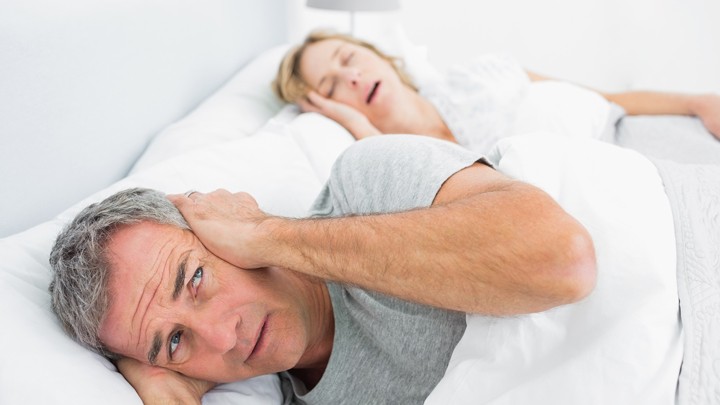
Barry, 64, wasn’t the one who made the appointment. His wife did. She was at her wit’s end every night lying awake, listening to him snore. Just when she tried to doze, he’d stop breathing long enough for her to become concerned. Then he’d gasp and the cycle started again: countless times, night after night. Barry said he slept through everything, felt “fine, just a bit tired. Everyone’s tired.” He just assumed it was an age thing, and not being able to tolerate alcohol as well these days.
It’s a bit like the old question – if a tree falls in the woods and no one is there to hear it, does it make a sound? Snoring can affect relationships. But in terms of health, it doesn’t matter whether anyone hears it or not.
After investigation, Barry was found to have obstructive sleep apnoea (OSA) whereas at the time, his wife was the one who seemed to suffer more from it. If he’d lived alone, Barry may not have been diagnosed.
Another patient – a 54-year-old woman – presented with broken, restless sleep … wonders presented with broken restless sleep, irritability and waking up feeling exhausted. Her male partner slept heavily but did complain about her occasional snoring. Investigation found she had moderate to severe OSA.
It’s not just about who’s snoring. It can be about who’s awake enough to hear it. And sometimes, that’s the difference between a condition being diagnosed – or missed altogether.
What is sleep apnoea?
Sleep apnoea is a condition where breathing repeatedly stops and starts during sleep. Studies suggest it can occur in around one third of people although it may still be underdiagnosed, particularly in women. Public perception means it’s often considered more of a middle-aged man’s problem. After menopause, women are as at risk.
The most common form, obstructive sleep apnoea, occurs when the airway collapses temporarily. Breathing pauses, oxygen levels fall, and the brain briefly triggers the body to restart breathing.
This can happen from dozens to hundreds of times a night. Most people don’t remember it happening.
If untreated, long-term it can cause significant stress on the body systems and is linked to abnormal heart rhythm, strokes, high blood-pressure and type II diabetes. It isn’t just a medical problem, it can also lead to relationship difficulties, reduced intimacy and sleeping in separate bedrooms.
Why it’s often missed
Snoring is often dismissed as harmless – something to tolerate rather than investigate, and attributed to alcohol, tiredness, sleep position and irregular sleep habits.
There’s also the issue of awareness. Many people don’t recognise the symptoms in themselves, particularly if they’re subtle.
And some people – particularly those who sleep deeply – may not notice night-time breathing disturbances in their partners.
Men and women don’t always present the same way
Sleep apnoea is more commonly diagnosed in men. But that doesn’t mean it occurs less frequently in women.
Men are more likely to present with more ‘classic’ symptoms:
- loud snoring
- witnessed pauses in breathing
- excessive daytime sleepiness
These are often noticed by a partner.
Women, however, often present differently.
They may describe:
- fatigue more than sleepiness
- insomnia or broken sleep
- morning headaches
- low mood or irritability
- feeling unrefreshed despite a full night in bed
These symptoms aren’t as specific and may be explained away or attributed to menopause, stress, anxiety or depression, or even just getting older. That’s why sleep apnoea in women is widely recognised as being underdiagnosed.
Not because it’s rare, but because it doesn’t always look the same as in men.
Why it matters
Sleep apnoea isn’t just about poor sleep.
Repeated drops in oxygen and disrupted sleep place significant stress on the body.
The good news is that it can be diagnosed and treated.
And when it is, the difference can be profound. Continuous Positive Airways Pressure (CPAP) machines are commonly used. They may take a bit of getting used to, and with multiple mask options available, a comfortable fit is more than likely. Customised settings adjust to the patient’s specific needs. There are also numerous studies underway to assess other forms of treatment. First, a sleep study should be arranged to assess whether OSA is present, and the degree of severity.
Social media promotes all sorts of supposed treatments so it’s worth speaking to your doctor before spending money on unproven options. Delaying evidence-based treatments can cause further harm.
The Bottom Line
The person with sleep apnoea often sleeps through it. The partner may not, which is why partners can contribute to diagnosis and better health outcomes





 Proudly Australian owned and operated
Comments 0
Join the conversation. Comments are reviewed before they appear.
Be the first to comment.
Join the conversation
Tell us who you are to post a comment. We'll remember you next time.