
Slow shrinking of a man’s world: Loneliness among older men



Retirement, grief and life’s major changes can leave many older Australian men feeling isolated and connection is one of the most powerful remedies.
As Australia marks Men’s Health Week, mental health advocates are encouraging men to pay as much attention to their social connections as they do their physical wellbeing, warning that loneliness and isolation can have a significant impact on health, happiness and quality of life.
Many Australian men pride themselves on being independent.
They build careers, raise families, support loved ones and quietly shoulder responsibilities without asking much in return. Yet for many men entering their 60s and beyond, there is one challenge that often goes unspoken: loneliness.
It doesn’t usually arrive overnight and, more often, it creeps in gradually.
A retirement here or a health setback there, children move away, friends become busy with their own lives, or a marriage ends or a partner dies. Before long, the circle that once surrounded a man begins to narrow.
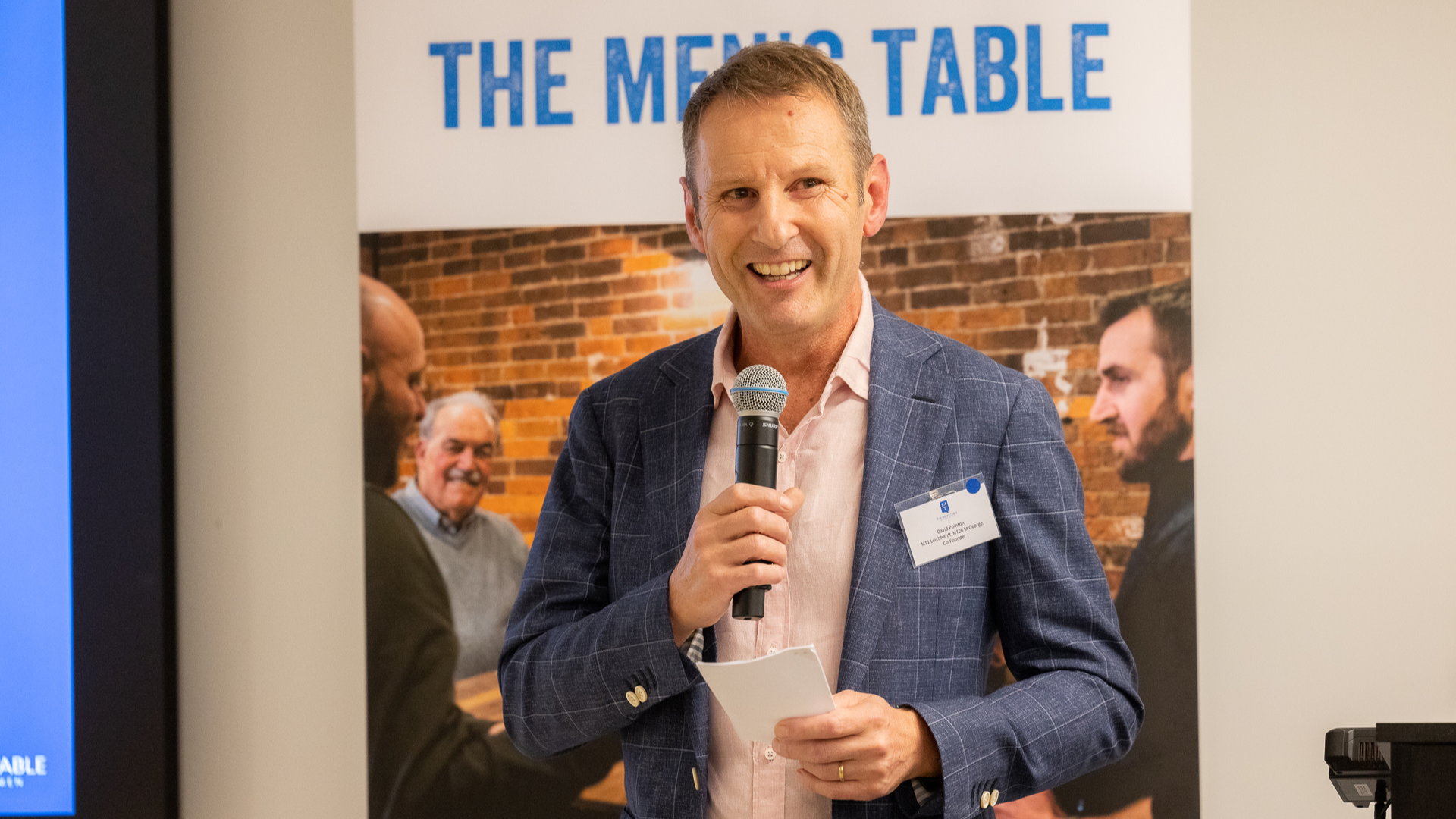
David Pointon, co-founder and CEO of The Men’s Table, says many men don’t realise how much of their social connection has been tied to work, sport or other shared activities until those structures disappear.
“For many men, friendship has often been built around shared activity,” Pointon says.
“It might be work, sport, school communities, the kids’ activities or a local club. As men get older, some of those structures fall away. People retire, move, separate, lose a partner, experience health changes or simply get out of the habit of making new friendships.
“The reality is many men have plenty of acquaintances, but not many people they would call if they were having a hard time.”
Retirement can expose hidden isolation
While retirement is often celebrated as a well-earned reward after decades of work, it can also remove something many men underestimate: daily connection.
Work provides more than a pay packet and offers routine, purpose, identity and regular interaction with other people. Once that disappears, some men discover they have very few close relationships outside the workplace.
Pointon says retirement can become particularly challenging when combined with other life changes.
“If a man has also experienced separation, bereavement, financial stress, health decline or relocation, retirement can become a very isolating time,” he says.
“Retirement can be a positive and freeing stage of life, but it can also be the moment when men realise they need to actively rebuild connection and purpose.”
The warning signs aren’t always obvious
One of the challenges with loneliness is that it often hides in plain sight.
A socially isolated man may still appear to be coping and he might attend family gatherings, chat with neighbours or keep busy around the house. From the outside, everything looks fine.
According to Pointon, the clues are often subtle.
“He might stop initiating contact, decline invitations, become more irritable, drink more, lose interest in things he used to enjoy, or become overly dependent on his partner or family for emotional support,” he says.
“You might notice he talks about being busy but has very little meaningful contact with others. Often the warning sign is not dramatic. It is the slow shrinking of a man’s world.”
Why asking for help remains difficult
Despite growing awareness around mental health, many men still struggle to seek support when they need it.
Strength was often associated with self-reliance and keeping problems to themselves for generations of Australian men.
“Many men still carry a belief that they should be able to sort things out themselves,” Pointon explains.
“They may have grown up with a model of masculinity that values independence, control and being the fixer.”
Yet he believes attitudes are changing.
Many older men, he says, are not rejecting the values they grew up with. Rather, they are finding ways to add openness, connection and emotional honesty alongside them.
“They want to be dependable, caring, useful and connected,” he says. “They want to be better listeners, better partners, better fathers, better grandfathers and better mates.
“Healthy masculinity is not about telling men they have been doing everything wrong. It is about giving men permission to be more fully human.”
Check out Five Reasons Why Exercise Can Help Encourage Men To Work On Their Mental Health
The power of simply showing up
While professional support remains vital for many people, Pointon believes there is also enormous value in regular, meaningful conversations between men.
Sometimes the biggest breakthrough is discovering that other men are carrying similar worries and uncertainties.
“A lot of men come in thinking, ‘I’m not sure I need this’,” he says.
“What they often discover is that they are not the only one. Listening can be just as powerful as speaking.
“Sometimes the most powerful thing is having a trusted place each month where you know you will be heard, seen and understood. That consistency can help men build strong connections, practise talking honestly and feel less alone.”
In a society where many older men continue to suffer in silence, that simple act of connection may be more important than ever.
If this story has raised concerns for you or someone you know, support is available through Lifeline on 13 11 14, Beyond Blue on 1300 22 4636, or MensLine Australia on 1300 78 99 78.





 Proudly Australian owned and operated
Comments 0
Join the conversation. Comments are reviewed before they appear.
Be the first to comment.
Join the conversation
Tell us who you are to post a comment. We'll remember you next time.