
From scrapbooking to saving lives


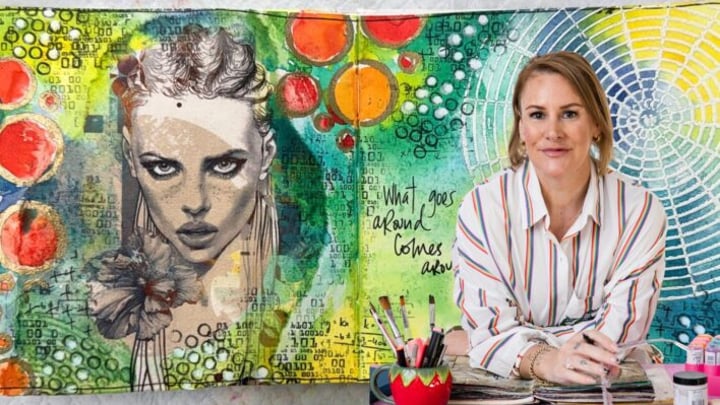
A routine follow-up appointment at age 37 changed Natalie May’s life forever. Thirteen years later, the ovarian cancer survivor is using her scrapbooking workshops to encourage Australian women to recognise the warning signs she never saw herself.
When the nurse quietly led her 10-year-old daughter from the consultation room, Natalie May knew something wasn’t right. She and her husband had arrived expecting nothing more than the removal of stitches following surgery for what doctors believed was endometriosis: it was supposed to be a routine appointment during the school holidays.
Instead, the Adelaide mum was told she had ovarian cancer.
“The moment I heard the word ‘cancer’, everything else disappeared,” Natalie recalled.
“I honestly can’t remember much of what was said after that. I just kept waiting for him to say, ‘Just kidding,’ or that there had been some sort of mistake. But those words never came.
“The rest of the day is a blur. Suddenly, there were more scans to organise, more specialist appointments to attend, and a whole new reality to face.
“At the same time, we weren’t ready to tell our 10-year-old daughter what was happening, so the three of us carried this enormous secret. We went through the day in a silent daze, trying to process news that had turned our world upside down in the space of a few minutes.”
Natalie was just 37 years old when she was diagnosed in 2013 and, ironically, she felt healthier than she had in years.
She was exercising several times a week with a personal trainer, had reached a weight she was proud of and believed she was doing everything right.
Only later did she realise one of the changes she had celebrated may have been a warning sign.
“Looking back now, I can see there were signs that I simply didn’t recognise at the time,” she said.
“At the time, I celebrated the weight loss. I thought it was the reward for all the hard work I was putting into my health and fitness. It never crossed my mind that it could be connected to ovarian cancer.”
Her story is far from unique.
According to the Ovarian Cancer Research Foundation, around 1929 Australians are diagnosed with ovarian cancer each year, while about 1064 die from the disease. Around 70 per cent of cases are diagnosed only after the cancer has reached an advanced stage because symptoms are often vague and there is no reliable screening test. Overall, the five-year survival rate is 49 per cent, although survival exceeds 90 per cent when ovarian cancer is detected at Stage 1A or 1B.
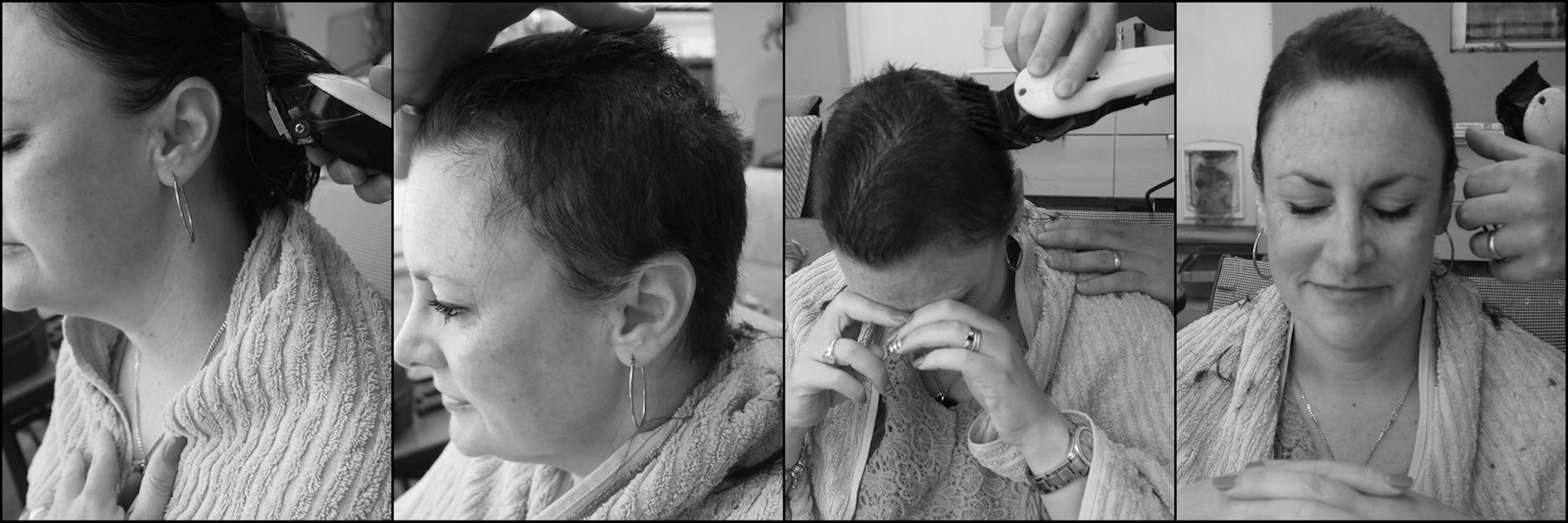
A different lesson
Once Natalie was well enough to return to teaching, she realised she had something far more important to share than paper crafting techniques.
Her scrapbooking workshops had always brought women together. Now they also became an opportunity to talk openly about ovarian cancer.
“As soon as I was comfortable to go back to teaching, I felt that it was necessary to start sharing what happened to me,” she said.
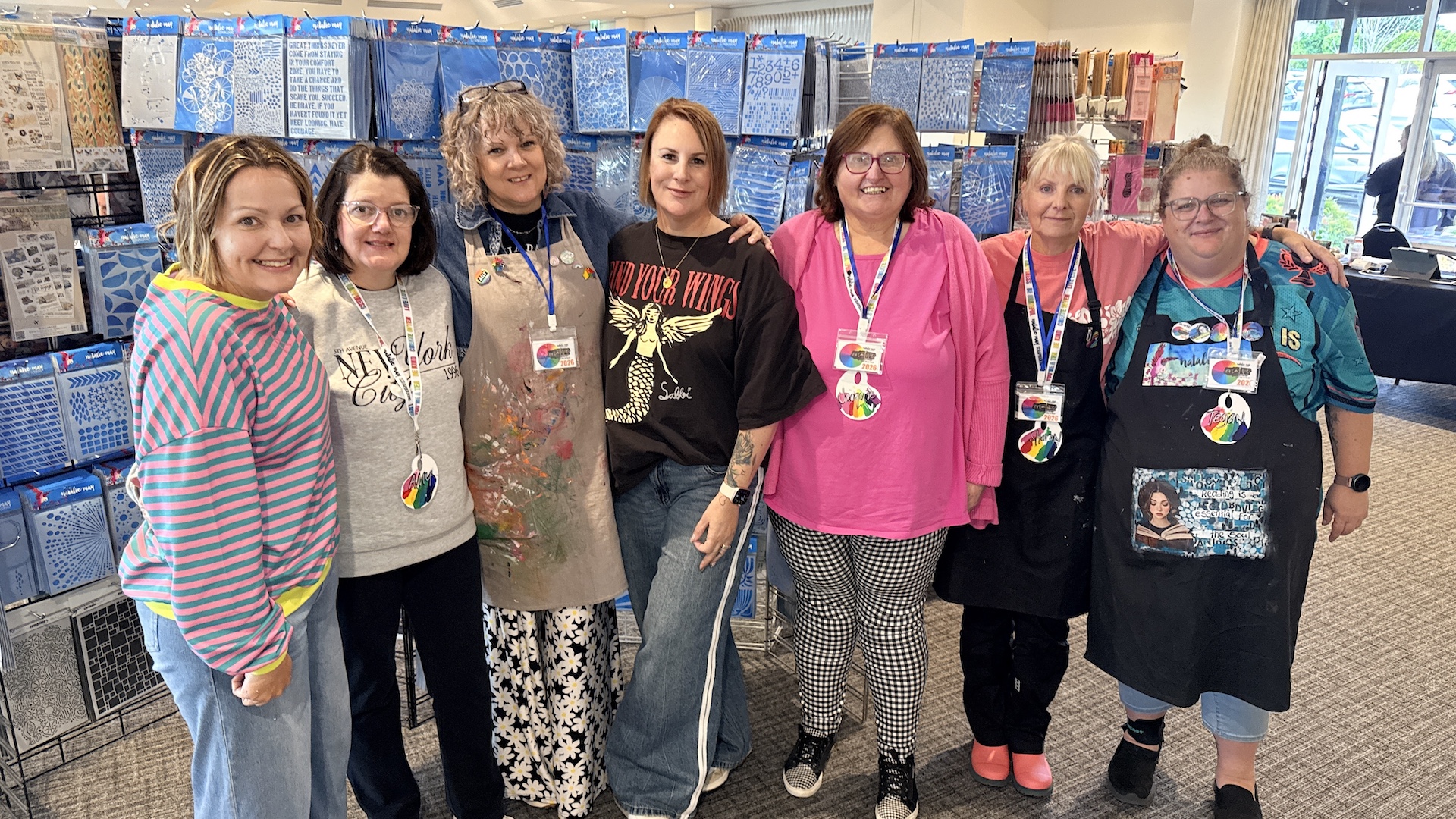
“One of the unique opportunities I have is having the undivided attention of a room full of women for several hours each day at classes and events.
“By openly sharing my own journey and the symptoms of ovarian cancer, I was able to encourage others to reflect on their own health and the wellbeing of the people they love.
“It created meaningful conversations, prompted women to pay attention to symptoms they may have otherwise dismissed, and helped raise awareness of a disease that is so often difficult to detect.”
Those conversations have stayed with her.
“Since sharing my story, I have been overwhelmed by the number of women who have reached out by phone, email and in person to share their own experiences,” she said.
“Many have told me they made an appointment with their GP after hearing about my journey, choosing to investigate symptoms they may have otherwise dismissed or continued to live with.
“I’ve also heard from many women about how difficult it can be to get an appointment with their local doctor. Even so, they have told me they are now determined to wait for that appointment, advocate for themselves, and not ignore what their bodies are trying to tell them.
“For me, that is what this has always been about. If sharing my story has encouraged even one woman to seek medical advice earlier, ask questions, or listen to her instincts, then it has made a real difference.”
Knowing the signs
Natalie hopes women, particularly those over 60, understand that ovarian cancer doesn’t always announce itself dramatically.
“One of the biggest misconceptions is that ovarian cancer always has obvious symptoms,” she said.
“In reality, the signs can be very subtle and are often mistaken for everyday issues or simply ‘getting older’.
“Persistent bloating, feeling full quickly, abdominal or pelvic pain, or needing to urinate more frequently are all symptoms that shouldn’t be ignored, especially if they are new, persistent, or unusual.
“Another misconception is that there is a reliable screening test for ovarian cancer. Unfortunately, there isn’t. That’s why knowing your body and recognising changes is so important.
“If something doesn’t feel right, don’t dismiss it or put off seeing your GP. Trust your instincts and advocate for yourself.
“If there is one message I’d like every woman over 60 to remember, it’s this: you know your body better than anyone else. Don’t let anyone, including yourself, convince you that persistent symptoms are ‘just part of getting older’. It is always worth asking the question and getting checked.”
Healing through creativity
Natalie considers herself fortunate. She was diagnosed at Stage One and has never forgotten how different her outcome could have been.
That gratitude has driven more than $30,000 in fundraising for ovarian cancer research through her business over the past 12 years.
“I was one of the lucky ones,” she said.
“I survived ovarian cancer at Stage One, and I never take that for granted.
“If the least I can do is use my platform to raise awareness and help fund vital research, then every fundraiser, every conversation, and every dollar raised is worth it.
“Research is what gives women hope for earlier detection, better treatments, and better outcomes.”
Creativity also became part of her emotional recovery.
“Crafting has always been a huge part of my life, and it is incredibly beneficial for our mental health,” she said.
“Before my treatment, I imagined I would spend time documenting my cancer journey through scrapbooking and art journaling. I thought it would help me process everything that was happening.
“The reality was very different. During treatment, I struggled to concentrate and simply didn’t have the mental capacity or energy to create in the way I had hoped.
“It wasn’t until I was given the all-clear that I found my way back to creativity.
“Since then, art journaling and paper crafting have become an important part of who I am today. They have given me a safe, creative space to process my emotions, tell my story, and release feelings that are often difficult to put into words.
“For me, crafting isn’t just about making something beautiful. It’s about slowing down, finding moments of peace, and looking after your mental wellbeing. It has played a significant role in my emotional recovery and reminded me that healing isn’t just physical. It’s emotional and mental too.”
Workshops with purpose
Today, every workshop still teaches new techniques.
But Natalie hopes participants leave with something even more valuable.
“If there is one thing I hope every woman remembers, it’s this: listen to your body and don’t ignore changes, no matter how small they may seem,” she said.
“You know your body better than anyone else, and if something doesn’t feel right, trust your instincts and make an appointment with your GP.
“And finally, never underestimate the power of sharing your story.
“By talking openly about my own journey, I’ve seen firsthand how it has encouraged other women to seek medical advice and have important conversations about their health.
“If my experience helps even one woman get diagnosed earlier or gives someone hope, then every part of this journey has been worthwhile.”
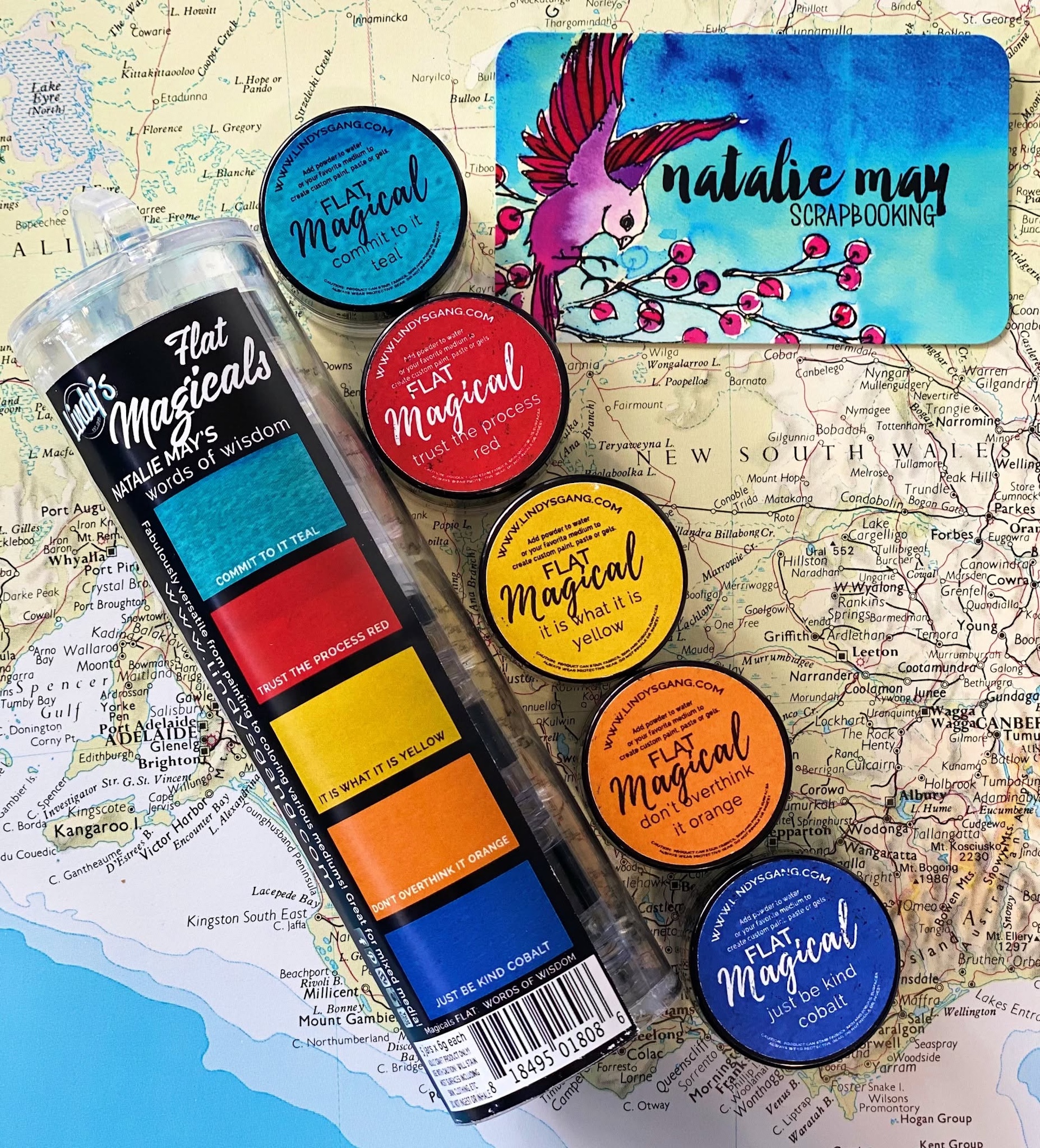
Find out more: Natalie May now teaches in-store workshops, online classes and creative retreats for crafters of all skill levels through Natalie May Scrapbooking. Every purchase also offers the opportunity to support ovarian cancer research through an optional donation, continuing the mission that has become so central to her life.





 Proudly Australian owned and operated
Comments 1
Join the conversation. Comments are reviewed before they appear.
Natalie is a very special person who gives so much of herself and is a cherished friend. An important and well written article!
Join the conversation
Tell us who you are to post a comment. We'll remember you next time.