
Could a blood test predict who will become seriously ill from flu?


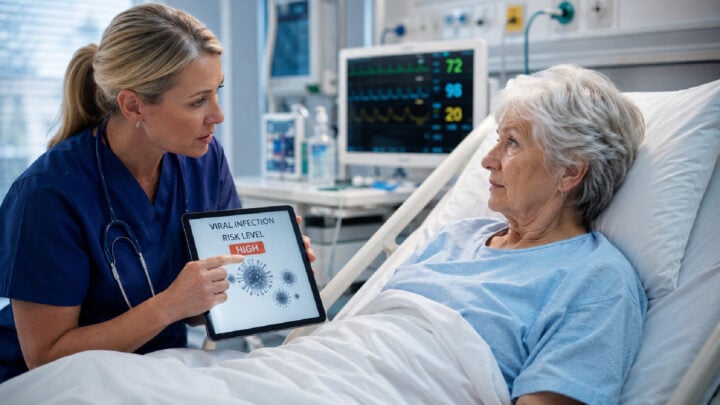
Two people can catch the same respiratory virus and have dramatically different experiences. One might feel miserable for a few days and recover, while the other can become dangerously ill and end up in intensive care.
Why?
It is a question Australian immunologist Professor Katherine Kedzierska has spent years trying to answer and now research into a gene called OLAH could eventually help doctors identify which patients with influenza, COVID-19 or RSV are at greatest risk of becoming critically ill.
The implications could be particularly important for older Australians, who are more vulnerable to severe respiratory illness. Researchers are working towards a rapid blood test that could potentially detect warning signs when a patient first arrives at hospital, rather than waiting to see whether their condition deteriorates.
An ‘alarm switch’ inside the body
The science behind OLAH is complicated, but Kedzierska has a simple way of explaining it.
OLAH is a gene involved in producing an enzyme that helps regulate certain fatty acids in the body.
“OLAH is our body’s enzyme that regulates production of specific fats called fatty acids,” Kedzierska told Starts at 60.
“We discovered that OLAH acts as an alarm switch that drives massive inflammation and leads to severe respiratory viral disease across a number of diseases including flu, COVID, and the infection with respiratory syncytial virus called RSV.”
Research published in the scientific journal Cell in 2024 found high OLAH expression was associated with severe disease across several respiratory viral infections, including seasonal influenza, COVID-19 and RSV. Patients who recovered or experienced milder disease had much lower OLAH expression.
In simple terms, OLAH may help researchers identify when the body’s response to a respiratory virus is heading in a dangerous direction.
That is important as we get older.
“Older adults are at higher risk of developing severe influenza,” Kedzierska said. “As we age, our immune defences are weaker and become slower to respond to respiratory viral infections.”
A warning sign on arrival at hospital
Kedzierska says her team’s findings suggest elevated OLAH levels can be detected when patients are first admitted to hospital.
That doesn’t mean an OLAH test is about to appear at your local hospital as researchers still need to develop and validate the rapid blood test in much larger numbers of patients. But its potential use is easy to understand.
A patient arrives at hospital with a respiratory virus, then a blood test measures OLAH expression and if the result indicates a greater risk of severe disease, doctors may have an earlier warning that this person requires particularly close attention.
“We believe our findings could potentially help clinicians to identify which patients are most at risk of becoming critically ill or even die before their disease rapidly worsens,” Kedzierska said.
She believes that information could ultimately help clinicians make earlier decisions about monitoring, treatment and, where necessary, intensive care. For now, that remains the aim of the research, rather than established clinical practice.
Age isn’t the only factor
While getting older increases the risk of severe influenza, age isn’t the whole story.
Existing health conditions can also affect how our immune system responds and Kedzierska points to chronic conditions including diabetes and kidney disease as examples that can influence immune responses and contribute to more severe outcomes.
Age, in other words, is only part of the picture.
The mystery that began with a pandemic
For Kedzierska, the search for answers stretches back to the 2009 influenza pandemic when scientists were confronted with cases in which previously healthy people, including children and pregnant women, became severely ill or died.
Why did their immune systems respond so differently?
“We had no answers to the question why those particular individuals died from flu and how can we predict who is susceptible to life-threatening disease outcomes?” she said.
“And this is why my research sought to provide some answers.”
One of the biggest surprises after years of research was discovering that OLAH wasn’t associated with severe disease from just one respiratory virus.
Kedzierska’s team found the same danger signal across several.
That raises the possibility that OLAH could eventually help doctors assess the risk of severe illness across different respiratory infections, rather than requiring an entirely different marker for each virus.
Could doctors eventually switch the alarm off?
Researchers aren’t only interested in OLAH as a possible early warning as Kedzierska and her team are also exploring whether the biological pathway associated with OLAH could become a target for treatment.
The researchers are investigating therapies aimed at reducing the harmful immune response and inflammation associated with severe disease, with the longer-term aim of interrupting that response before a respiratory infection becomes life-threatening.
Those potential treatments remain at the research stage.
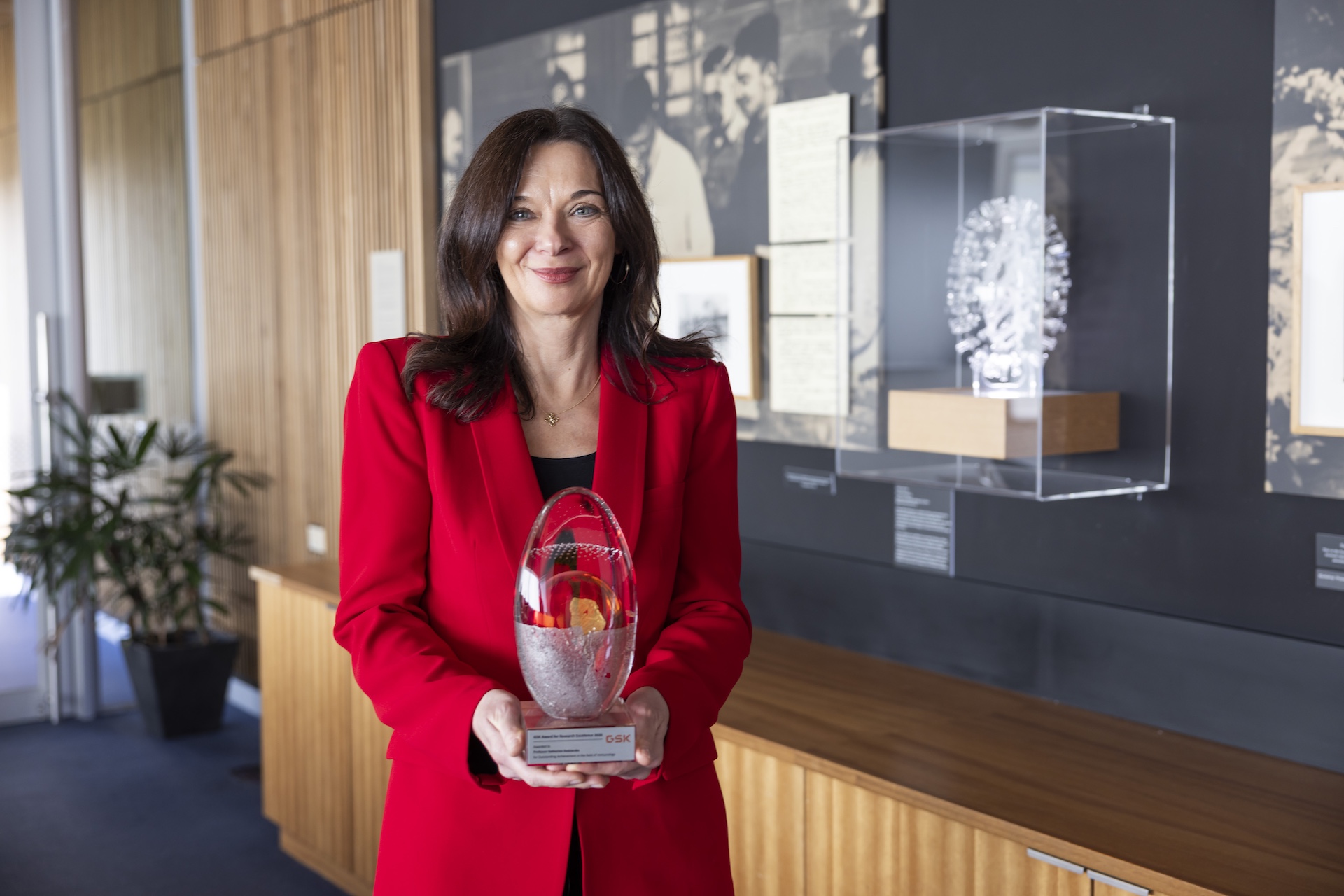
Kedzierska has now received the 2026 GSK Award for Research Excellence, with funding from the award supporting the next stage of the work, including development and validation of the rapid OLAH blood test.
What should older Australians do now?
While the research points towards what may be possible in the future, it doesn’t change the steps older Australians can take today.
“It is of key importance to seek medical care and get annual influenza vaccination for protection against severe influenza,” Kedzierska said.
“This is especially important for all the vulnerable people, including the older adults and individuals with chronic diseases.”
For now, the message is familiar: keep up with annual influenza vaccination and seek medical attention when respiratory illness becomes concerning, particularly if you have an existing chronic condition.
The bigger change may come later.
If the OLAH test proves itself in larger groups of patients, doctors may eventually have something they don’t have today: an early warning that the person sitting in front of them is at risk of becoming seriously ill.





 Proudly Australian owned and operated
Comments 0
Join the conversation. Comments are reviewed before they appear.
Be the first to comment.
Join the conversation
Tell us who you are to post a comment. We'll remember you next time.