
Could cocoa extract help fight inflammation as we age?


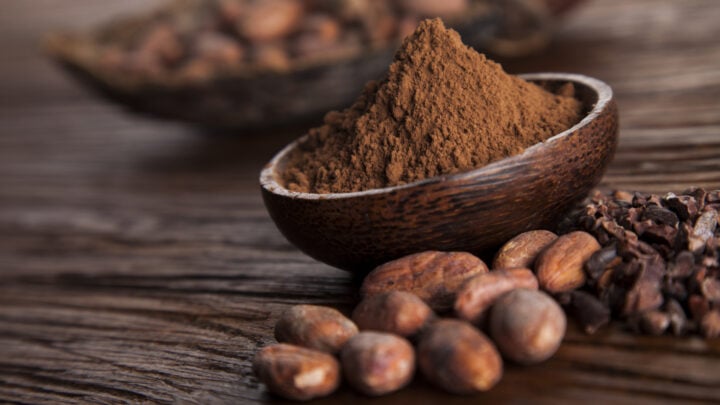
We all know diet, exercise, and good sleep are key to heart health — but new research suggests cocoa extract might be another secret weapon for keeping our hearts strong.
Previous, smaller studies have shown that cocoa extract can reduce inflammatory biomarkers, thanks to flavanols—small, bioactive compounds found not only in the cocoa bean but also berries, grapes, tea, and other plant-based foods.
In an effort to understand cocoa extract’s role in heart health better, researchers from Mass General Brigham ran the COcoa Supplement and Multivitamin Outcomes Study (COSMOS), analysing changes in five age-related markers of inflammation among participants who received daily cocoa supplements over several years.
The results, published in Age and Ageing, showed that hsCRP—an inflammatory marker that can signal increased risk of cardiovascular disease—decreased in participants taking the cocoa extract supplement, suggesting its anti-inflammatory potential may help explain its heart-protective effects.
“Our interest in cocoa extract and inflammaging started on the basis of cocoa-related reductions in cardiovascular disease,” said corresponding author Howard Sesso, ScD, MPH, associate director of the Division of Preventive Medicine and associate epidemiologist at Brigham and Women’s Hospital, a founding member of the Mass General Brigham healthcare system.
“We also appreciate the important overlap between healthy aging and cardiovascular health, where aging-related inflammation can harden arteries and lead to cardiovascular disease. Because of that, we wanted to see whether multi-year cocoa extract supplementation versus a placebo could modulate inflammaging—and the data suggests it does.”
As part of the wider COSMOS trial — a major study involving more than 21,000 adults over 60 that ran from 2014 to 2020— researchers had already found that taking cocoa extract supplements was linked to a 27 per cent drop in deaths from cardiovascular disease.
In this follow-up, researchers looked more closely at blood samples from 598 participants to see how cocoa extract affected markers of inflammation linked to ageing, known as “inflammaging.”
They measured five key proteins: three that promote inflammation (hsCRP, IL-6, and TNF-α), one that helps fight it (IL-10), and one that regulates the immune system (IFN-γ). Over two years, they discovered that hsCRP levels fell by 8.4 per cent each year in the cocoa extract group compared to placebo, while the other markers stayed about the same or rose slightly.
“Interestingly, we also observed an increase in interferon-γ, an immune-related cytokine, which opens new questions for future research,” said senior author Yanbin Dong, MD/PhD, Director of the Georgia Prevention Institute (GPI) and cardiologist/population geneticist at the Medical College of Georgia/Augusta University.
“While cocoa extract is not a replacement for a healthy lifestyle, these results are encouraging and highlight its potential role in modulating inflammation as we age.”
While cocoa extract may help calm inflammation, experts say what you don’t eat matters just as much. To find out which foods could be making things worse, Starts at 60 spoke with nutritionist and naturopath Nicola Miethke from Nuzest.
“If these foods become a regular part of our diet they can cause chronic, sustained inflammation that can be very harmful to the body,” Miethke explained.
Histamine-rich foods
Many people will be familiar with relentless sneezing, itchy eyes and a runny nose and if you’re prone to seasonal allergies, consuming histamine-rich foods could trigger these symptoms more than ever.
Certain foods that naturally contain histamines include avocado, eggplant, cured meats, aged cheese and fermented foods and drinks such as kombucha, kefir, sauerkraut, wine and beer.
“Limiting foods which are pro-inflammatory can help support your immune system, especially as it works hard to reduce the effects of pollens or irritants,” Miethke said.
Refined carbohydrates
Refined carbohydrates are very low in fibre, vitamins and minerals and are often considered “empty carbs”. The main sources include white bread, white pasta, crackers, savoury biscuits, white flour, bagels and corn chips.
“Diets high in refined carbohydrates contribute to the inflammatory response and reduce our body’s ability to build the foundations of a strong immune system,” Miethke explained.
Trans fats
To reduce the risk of heart disease, stroke, diabetes and other chronic conditions, limit trans fats as much as possible, Miethke advised. They can be found in fast foods, frozen pizza, margarine, doughnuts, store-bought cakes and biscuits.
And despite what we’ve heard for years, consuming vegetable oil isn’t that healthy either. Oils such as canola, sunflower and rice bran are loaded with unhealthy fats and may cause severe health problems.
Sugar
It’s no secret that eating too much sugar can have many negative health effects.
In fact, it can also increase inflammation in your body and may lead to insulin resistance, both of which increase cancer risk. Meanwhile, sugar also suppresses the immune system, making us more vulnerable to infectious diseases.
We all know foods like desserts, soft drinks and confectionary contain high levels of sugar, however many foods that seem healthy like yoghurt or cereal are actually riddled with sugar too.
Artificial sweeteners
Trying to go sugar-free? Many people turn to artificial sweeteners in a bid to reduce the amount of sugar they consume, but they aren’t as healthy as you think. In fact, if you have a lot of pain, they may actually be worse for you.
Artificial sweeteners are found in thousands of products such as fat-free yoghurt, flavoured water, breath mints, diet soft drinks and desserts.
As researchers continue to uncover more about cocoa’s potential, one thing is clear: what we choose to eat today could shape not only our heart health, but how well we age tomorrow.
Read more: Could sleep be the key to protecting women’s heart health?
IMPORTANT LEGAL INFO This article is of a general nature and FYI only, because it doesn’t take into account your personal health requirements or existing medical conditions. That means it’s not personalised health advice and shouldn’t be relied upon as if it is. Before making a health-related decision, you should work out if the info is appropriate for your situation and get professional medical advice.





 Proudly Australian owned and operated
Comments 0
Join the conversation. Comments are reviewed before they appear.
Be the first to comment.
Join the conversation
Tell us who you are to post a comment. We'll remember you next time.