
Can you sleep better by separating sheets, not beds?


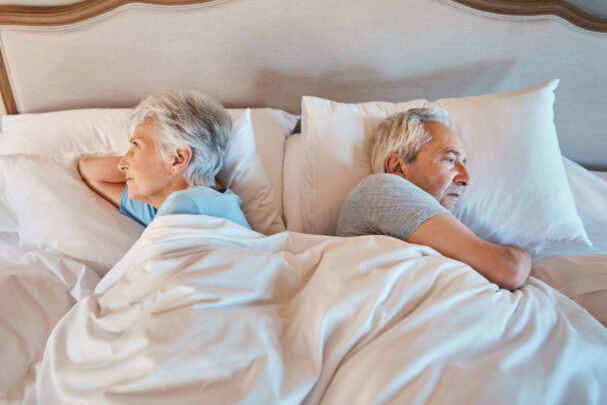
Couples struggling with differing sleep preferences are increasingly turning to the so-called ‘Scandinavian sleep method’, a bedding arrangement that has gained popularity on social media.
The method involves partners sharing a bed but using separate blankets or doonas, rather than one shared cover. Supporters say it reduces nightly disputes over temperature, blanket-hogging and disrupted sleep.
According to a new assessment from the University of the Sunshine Coast, many couples report disagreements over bedroom temperature, bedding and sleep routines, which can contribute to poor sleep quality and relationship strain. The Scandinavian sleep method aims to allow couples to share the same bed while still meeting individual comfort needs.
The practice is said to be common in Scandinavian countries, reflecting a preference for balancing intimacy with personal sleep comfort. In recent months, couples outside the region have described the approach as a significant improvement to their sleep.
However, there is limited scientific research directly comparing shared versus separate bedding for couples. Most existing studies focus instead on broader sleep factors such as bedroom environment, temperature and routines, authors Yaqoot Fatima, Danielle Wilson and Nisreen Aouira found.
While the method has not been formally tested, it aligns with several established sleep health principles. Research shows that body temperature regulation plays a key role in sleep, and that bedding materials can influence how quickly people fall asleep and how much deep sleep they achieve.
Individual differences in sleep temperature preferences are influenced by factors including age, hormones, body composition and circadian rhythms. Hot sleepers generally prefer lightweight, breathable fabrics, while cold sleepers tend to favour heavier, insulating materials. Separate bedding allows each partner to choose what suits them best.
Gender-based differences in temperature regulation can also affect comfort during sleep, the study found. Women often have cooler hands and feet at night, as their bodies prioritise keeping internal organs warm. Hormonal changes, particularly during menopause, can further affect night-time temperature and sleep quality.
Sleep can also be disrupted by a partner’s movement, noise or habits such as using electronic devices in bed. Studies suggest women report being disturbed by their partner’s movement more often than men. Separate bedding may reduce some of these disturbances, particularly when partners go to bed or wake at different times.
Supporters argue the Scandinavian sleep method offers a practical and low-cost option for couples experiencing sleep disruption due to conflicting comfort needs. However, it may also present drawbacks, including making the bed more difficult and reducing ease of physical closeness at bedtime, particularly on smaller beds.
Experts caution that while the approach appears promising, it should be viewed as a practical sleep hygiene strategy rather than a scientifically validated sleep method until further research is conducted.
IMPORTANT LEGAL INFO This article is of a general nature and FYI only, because it doesn’t take into account your personal health requirements or existing medical conditions. That means it’s not personalised health advice and shouldn’t be relied upon as if it is. Before making a health-related decision, you should work out if the info is appropriate for your situation and get professional medical advice.





 Proudly Australian owned and operated
Comments 0
Join the conversation. Comments are reviewed before they appear.
Be the first to comment.
Join the conversation
Tell us who you are to post a comment. We'll remember you next time.