
Australians urged to discuss shingles with their GP


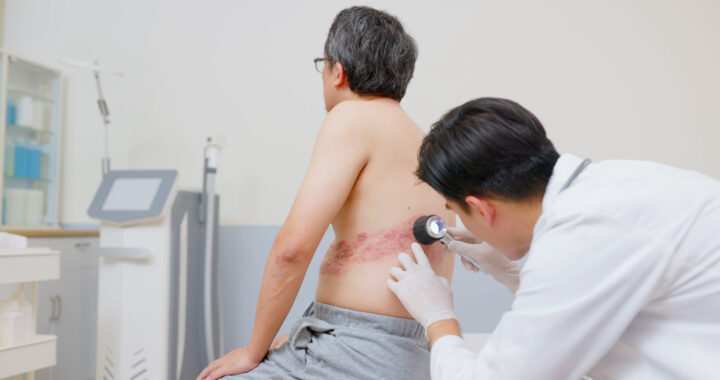
Health experts are urging older Australians and those living with chronic health conditions to speak with their GP or pharmacist about shingles, as new research suggests many people who worry about the illness are still not discussing it with a healthcare professional.
The call comes following a recent national campaign highlighting the risks of shingles and encouraging Australians to better understand their personal risk.
Shingles is a viral infection caused by the same virus responsible for chickenpox. According to Pharmaceutical Society of Australia (PSA) Foundation Chair, Associate Professor Fei Sim, the virus can remain in the body for decades before reactivating.
“After someone recovers from chickenpox, the virus stays dormant in their nerves for a long time,” Professor Sim said.
“Later in life, especially when their immune system weakens, the virus can reactivate and present as shingles, causing inflammation of our nerves and a painful rash.”
Almost all Australian adults carry the inactive varicella zoster virus, meaning most people who have had chickenpox potentially carry the virus that can cause shingles later in life.
“I would say that almost all adults who had chickenpox do carry the virus in their bodies, which means the vast majority of Australians are potentially at risk.”
Health authorities say the risk increases with age as immune function naturally declines. The likelihood of developing shingles can also be higher among people living with chronic conditions such as cardiovascular disease, diabetes, asthma or rheumatoid arthritis.
“All these medical conditions have an impact on how well our immune system functions,” Sim said.
“When our immune system is weakened, it is easier for the virus to reactivate, causing shingles. Certainly age, when combined with these chronic medical conditions, can significantly increase the likelihood of developing shingles.”
New research commissioned by pharmaceutical company GSK found that while concern about shingles is high, conversations with health professionals remain relatively uncommon.
A survey of adults aged 50 to 70 across 10 countries found that among Australians, 83% worried shingles could disrupt everyday life, yet 44% had never discussed the illness with a GP or pharmacist.
Sim said shingles often remains overlooked until it directly affects someone.
“Whilst people may be worried about the impacts of shingles when asked about it specifically, shingles is not often front of mind for many of us,” she said.
“Certainly, as a pharmacist, I am not frequently asked about shingles by my patients.
“I would say many people assume shingles is rare or it is something that they can deal with it if and when it happens. Some might also not realise their own risks. Unless it is proactively raised, the conversation about shingles don’t often surface.”
While many people associate shingles primarily with a rash, Sim said the condition can cause severe nerve pain and long-term complications.
“For many people, shingles can cause severe nerve pain, not just pain from the blisters themselves, but burning sensations and nerve pain which can last for weeks or months,” she said.
“In some cases, the pain can persist long after the rash disappears. This is a condition known as post-herpetic neuralgia.
“I have had patients reporting that the pain really affected their daily activities, their work and their sleep.”
The GSK Australia research also found that one in four Australians aged 50 to 69 do not believe it is their responsibility to raise shingles with their doctor. Sim said discussing risk with a healthcare professional is an important part of preventative healthcare.
“Rapport between health professionals and patients is very important. When it comes to preventative healthcare, it is even more important,” she said.
“Raising this with your health professionals opens up conversations, so we don’t miss opportunity to discuss your individual risk and give tailored advice.”
She encouraged Australians, particularly those over 50 or managing long-term health conditions, to seek advice during routine health visits.
“My advice would be to read up about shingles, and the next time you see your GP or pharmacist, ask them about shingles,” Sim said.
“They can provide tailored advice based on your individual medical circumstances and provide guidance on what you can do about it.”
IMPORTANT LEGAL INFO This article is of a general nature and FYI only, because it doesn’t take into account your personal health requirements or existing medical conditions. That means it’s not personalised health advice and shouldn’t be relied upon as if it is. Before making a health-related decision, you should work out if the info is appropriate for your situation and get professional medical advice.





 Proudly Australian owned and operated
Comments 0
Join the conversation. Comments are reviewed before they appear.
Be the first to comment.
Join the conversation
Tell us who you are to post a comment. We'll remember you next time.