
How to stay close to your grandkids as they grow


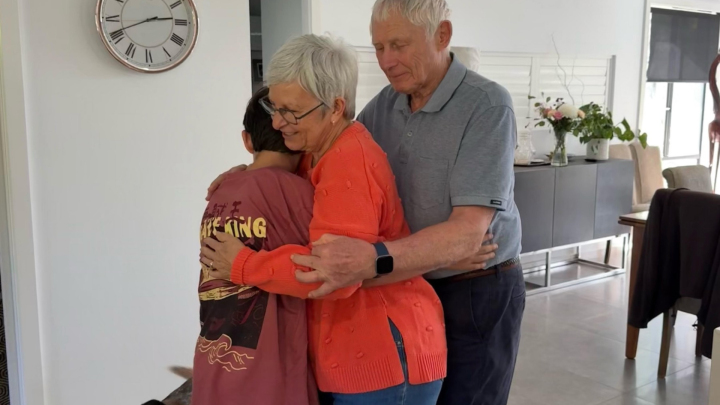
Melissa Richardson knows that even the most well-intentioned advice can land badly when it comes to someone else’s parenting. She spent almost 30 years working in mentoring, but within her own family, learning when to offer an opinion took practice.
“In my early years as a grandmother, I think I was too forthcoming with advice,” she says. “This can communicate to your adult child that you lack confidence in their parenting capability, even though advice is well-intentioned.”
It is a familiar dilemma for anyone watching their children raise families of their own. You have years of experience and want to help, yet knowing when to speak up can be difficult, especially when things are being done differently from how you remember.

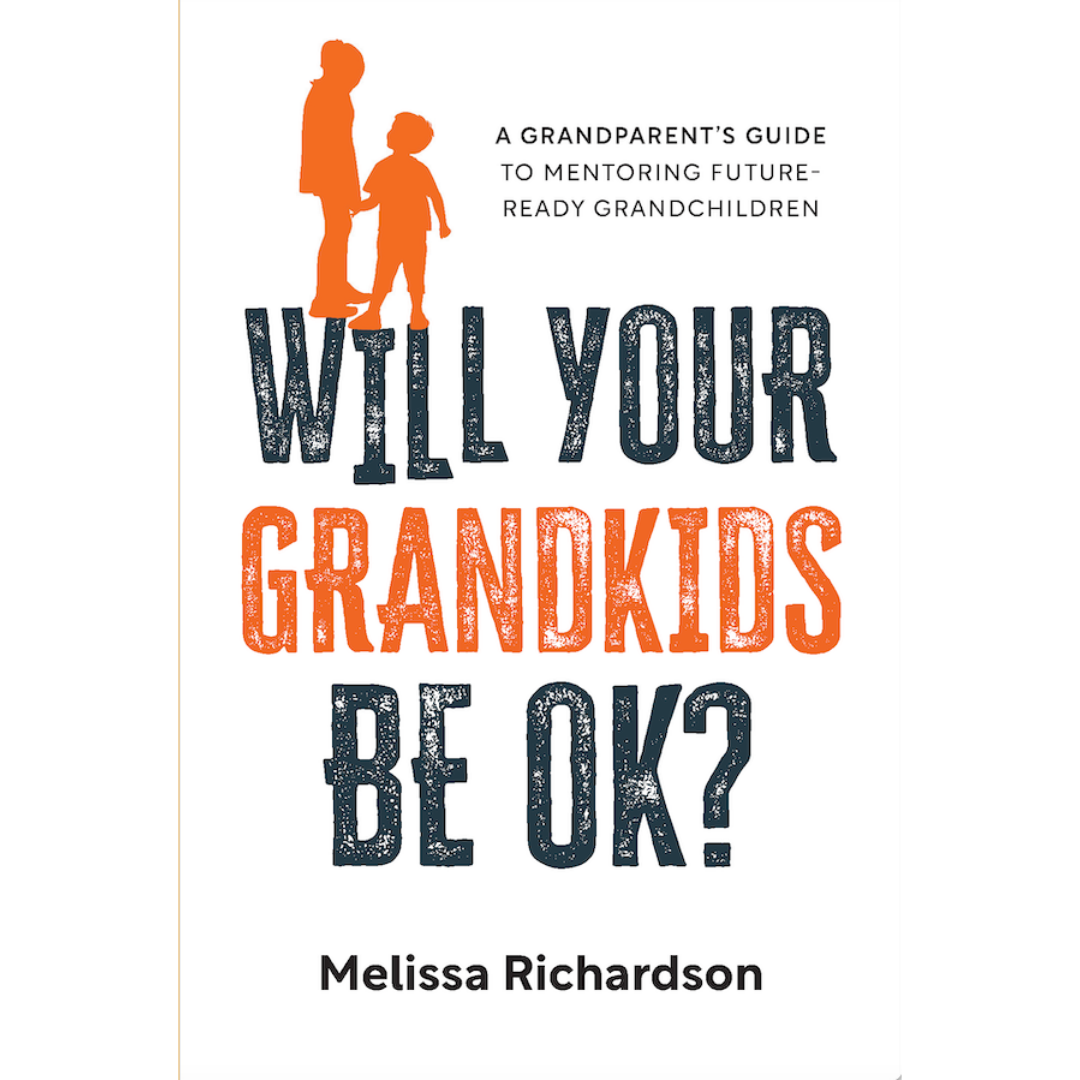
For Melissa, author of Will Your Grandkids Be OK?, retirement prompted a rethink of what she could offer the younger members of her family. As she explored what it meant to be an elder, she began to see how the mentoring skills she had used professionally could shape those relationships.
“Parents are busy; a retired grandparent often has more time to devote to helping grandchildren grow the capacity to navigate the world.”
That time creates space for a different kind of connection. Away from the daily responsibility of getting children to school or enforcing bedtime, it can be easier to listen without immediately worrying about what needs to happen next.
Melissa believes that distance can also make it easier to respond patiently when emotions spill over.
“We often assume that the person with a problem wants it to be solved, but sometimes they just want someone to listen to them.”
When a child comes home upset about school, for example, the instinct might be to offer reassurance or explain what they should do tomorrow. Starting with “What happened?” allows them to tell the story themselves.
A follow-up question about how they felt may reveal something an adult would otherwise miss. Before moving into solutions, Melissa suggests asking whether they would like help thinking through their options.
“Always ask for their ideas first. Then, help them explore what might happen if they take action and whether they want to.”
The point is to help them develop confidence in their own judgement, while knowing they have someone beside them when things are difficult.
With younger children, that support may involve sitting through some big feelings. Melissa has a four-year-old grandson who is prone to emotional outbursts, and she tries to keep her own response calm while acknowledging what has upset him.
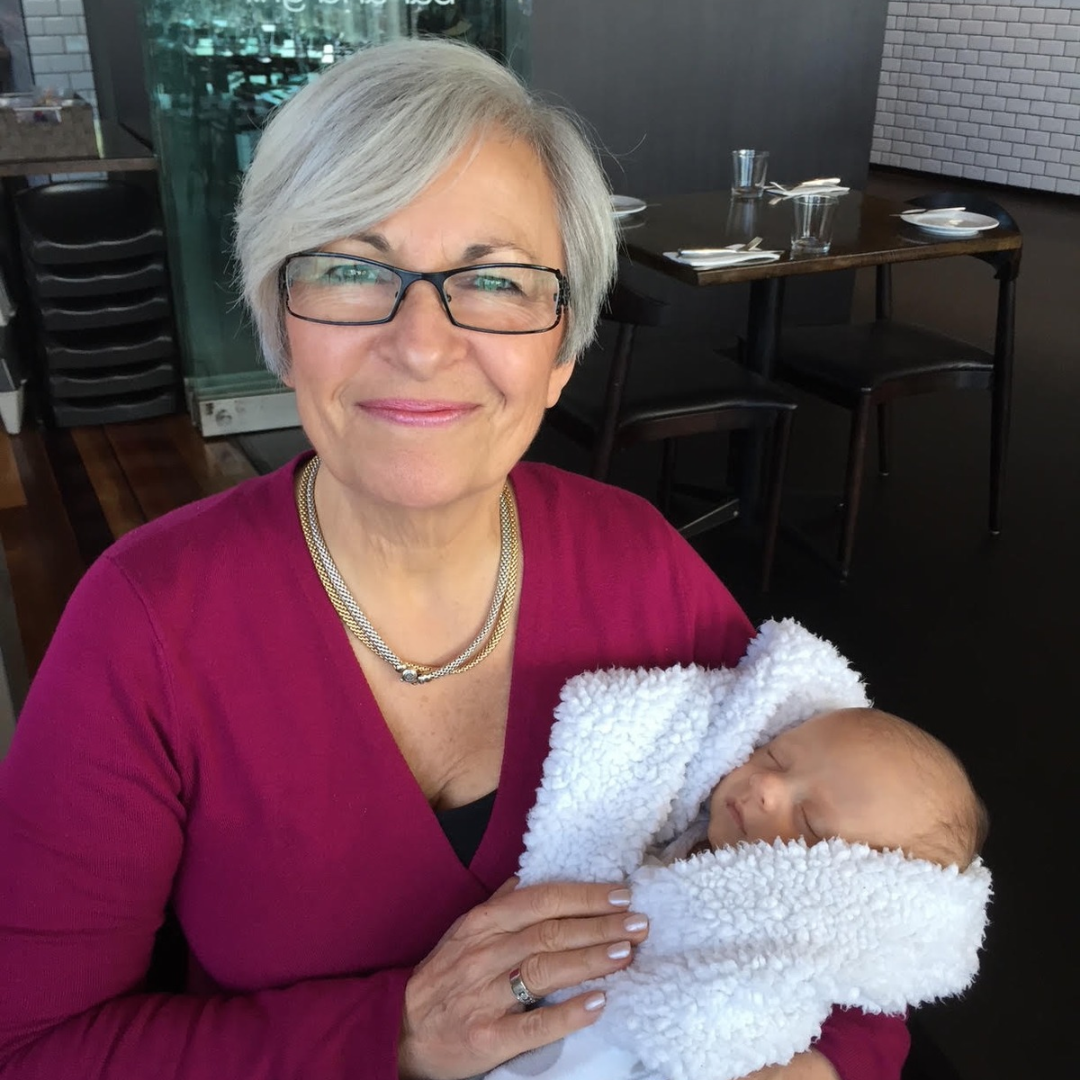
If he has lost a game, recognising his disappointment gives him a chance to feel understood. Staying composed helps him settle, too.
This balance between security and independence sits at the centre of her Roots & Wings framework. Children need to feel safe enough to explore, even when their enthusiasm gets ahead of their ability.
An afternoon at the park offers a simple opportunity to practise. Letting them tackle the play equipment, with a clear understanding that they must stay within that area, allows some freedom within sensible limits.
“Children need to learn to take small risks,” Melissa says.
Working out the boundaries between adults can require just as much thought.
In Melissa’s family, her grandsons are allowed to eat and drink anywhere in their own house. At her house, she prefers food to stay at the table. Rather than allowing the difference to become a source of friction, she spoke to their father and asked for his agreement.
“This simple negotiation meant we jointly kept that ‘rule’ and as a result, we kept the peace.”
It is a useful example of discussing an expectation before it becomes an argument. The same principle applies to babysitting, particularly when requests for help compete with work or other commitments.
Melissa recommends an honest conversation about what the parents need and what you are prepared to offer. Agreeing to more than feels manageable can lead to resentment, which does little for anyone’s relationship.
She also acknowledges that these conversations can look different depending on which side you are standing.
“My mother was often ‘unavailable’ when I needed help with my kids, sometimes because of a commitment I thought was trivial. I resented that, but looking back, it wasn’t my place to judge.”
Her mother had her own priorities, although Melissa feels she also missed an opportunity for greater closeness with the boys.
Rather than assuming there is one correct level of involvement, she encourages people to consider the relationship they want and how it fits with the rest of their lives.
“What role do I want to play in the lives of my grandchildren and how can I best do that, given my other priorities?”
Those relationships will change, of course. The child who once wanted your attention all afternoon may become a teenager whose answers barely stretch beyond a grunt.
Melissa remembers that stage with her own sons and advises maintaining contact without expecting every effort to be returned. Showing interest still matters, even when it doesn’t produce much conversation.
“Send messages without expecting a reply. Keep telling them family stories, even if you get an eye-roll.”
For those living further away, having something to do together can take the pressure off a video call. Reading a story or playing a game gives the conversation a focus, while a letter arriving in the post offers a reminder of the connection between visits.
Melissa’s own grandmother left a lasting impression through the way she lived. She was a community leader who showed her what a strong woman could achieve, while remaining patient and loving with her family.
Now, Melissa thinks about what the younger generation might absorb from watching her, including the equal partnership she shares with her husband.
Above all, she wants them to know that their place in her life never depended on being perfectly behaved.
“I hope my grandchildren know they were unconditionally loved, that I always valued them as individuals, no matter their behaviour.





 Proudly Australian owned and operated
Comments 0
Join the conversation. Comments are reviewed before they appear.
Be the first to comment.
Join the conversation
Tell us who you are to post a comment. We'll remember you next time.