
Tea, Titles & Tiaras: A royal confidante speaks, Kate returns to hospital and Diana’s revenge dress rides again


Before we get into this week’s column, there are two pieces of news I want to acknowledge because they are major events that happened in the Royal world this week.
Princess Astrid of Norway died peacefully on Friday, September 11, at the age of 94, just two days after attending the state funeral of her younger brother, King Harald V.
It would become her final public appearance after decades of service to the Norwegian Royal House. Following the death of her mother, Crown Princess Märtha, in 1954, Astrid served as Norway’s first lady until Harald married Sonja in 1968. Her nephew, the new King Haakon VIII, remembered her warmth, dedication and strong sense of duty.
Her death marks the end of a generation for Norway’s royal family, coming only a fortnight after King Harald’s death. The photographs of Astrid at her brother’s funeral now carry another layer of sadness, capturing her final farewell to both the King and the country she served for so long.
The second piece of news involves Harry and Meghan. There is talk of a new school for Archie and Lilibet, questions about how much recent Instagram posts may have revealed about where the family is living, and the usual collection of rumours surrounding the Invictus Games. None of it, at this stage, warrants a royal emergency. We will come back to it when there is something substantial to discuss.
For now, on with the show.
AK47 could be coming to a television near you
This is the story likely causing the most discomfort inside Buckingham Palace.
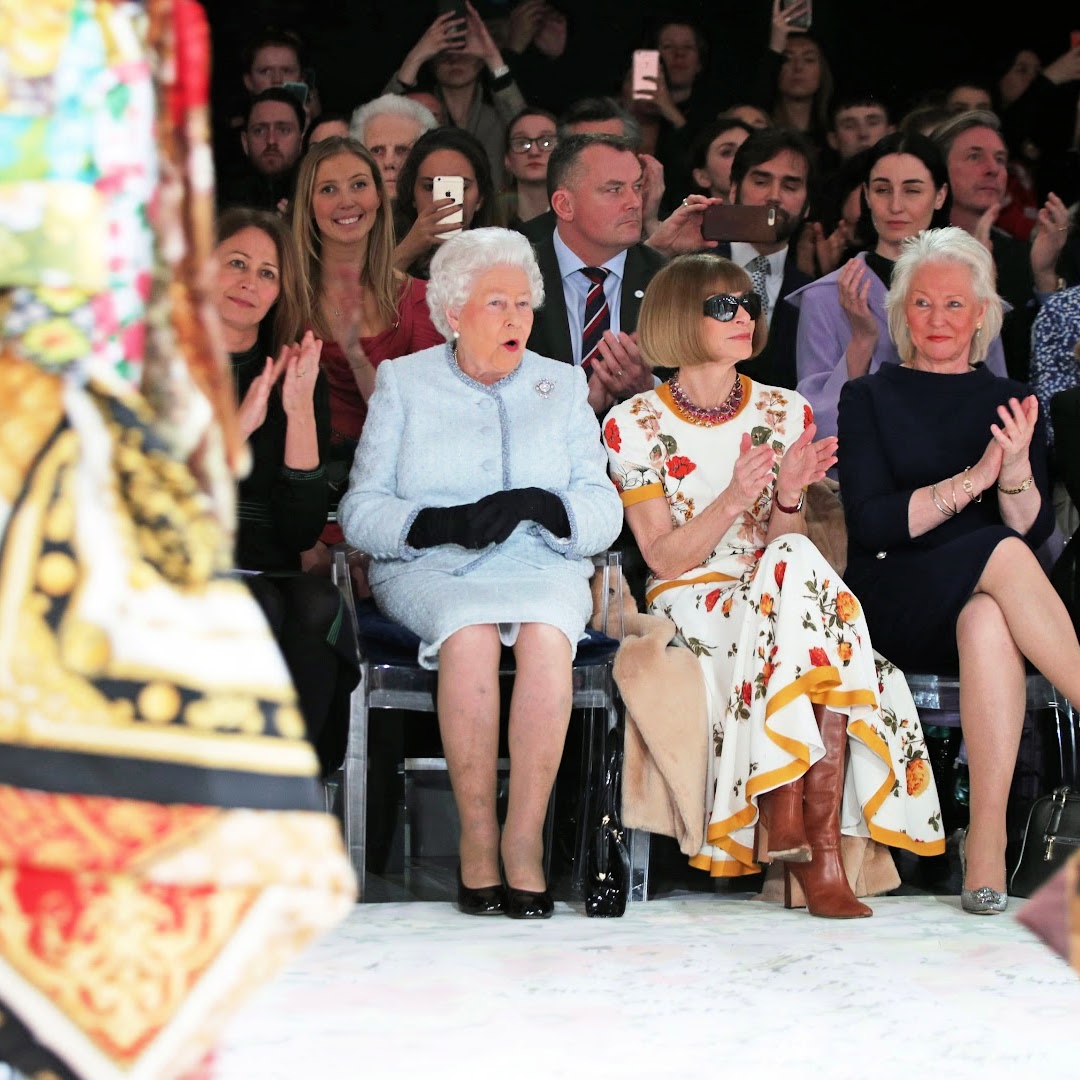
Angela Kelly, the daughter of a Liverpool crane driver who became Queen Elizabeth II’s personal assistant, dresser and confidante, has reportedly agreed to participate in a scripted documentary about her life and years within the royal household.
The project is understood to be overseen by 53 Degrees Global, with BAFTA-winning screenwriter Jeremy Brock, who co-wrote Mrs Brown, reportedly involved. It is expected to combine interviews, archival material and dramatic reconstructions, although full details have not been formally announced.
Kelly’s official title was Personal Assistant, Adviser and Curator to Her Majesty The Queen (Jewellery, Insignias and Wardrobe), but her role extended well beyond choosing hats and arranging necklaces. She famously broke in the Queen’s new shoes by wearing them herself and played a central role in creating the bright, carefully coordinated outfits that made Elizabeth II visible in even the largest crowds. During the final period of the Queen’s life, Kelly was among those in her close circle at Windsor Castle.
Their relationship gave Kelly access few people outside the Royal Family enjoyed, which explains why reports of the documentary have attracted so much attention. She has already written two authorised books about her work with the Queen and was reportedly given permission to publish a third.
Kelly was not universally popular among palace staff. Her reported nickname, “AK47”, combined her initials with a reputation for being formidable, while former colleagues have described her as a powerful gatekeeper whose approval could make palace life considerably easier.
She also appears in Prince Harry’s memoir, Spare, where he accused her of being obstructive when Meghan wanted to practise wearing Queen Mary’s Diamond Bandeau ahead of the couple’s 2018 wedding. Kelly has not publicly responded to his version of events.
After Queen Elizabeth’s death, Kelly left her grace-and-favour home on the Windsor estate and was provided with another property reportedly arranged by King Charles. Various reports have suggested she was unhappy about leaving Windsor, although her private feelings have never been confirmed publicly.
There is also no guarantee the documentary will become the explosive tell-all some reports are predicting. Kelly may choose to concentrate on the Queen’s wardrobe, working habits and sense of humour rather than private family tensions. Any confidentiality agreements would also shape what she could discuss.
Still, she spent years beside one of the most famous women in the world and saw the Royal Family during weddings, funerals, political upheaval and family crises. If Angela Kelly decides to speak openly, people will be listening and the Palace will be paying close attention.
Kate returns to the Royal Marsden
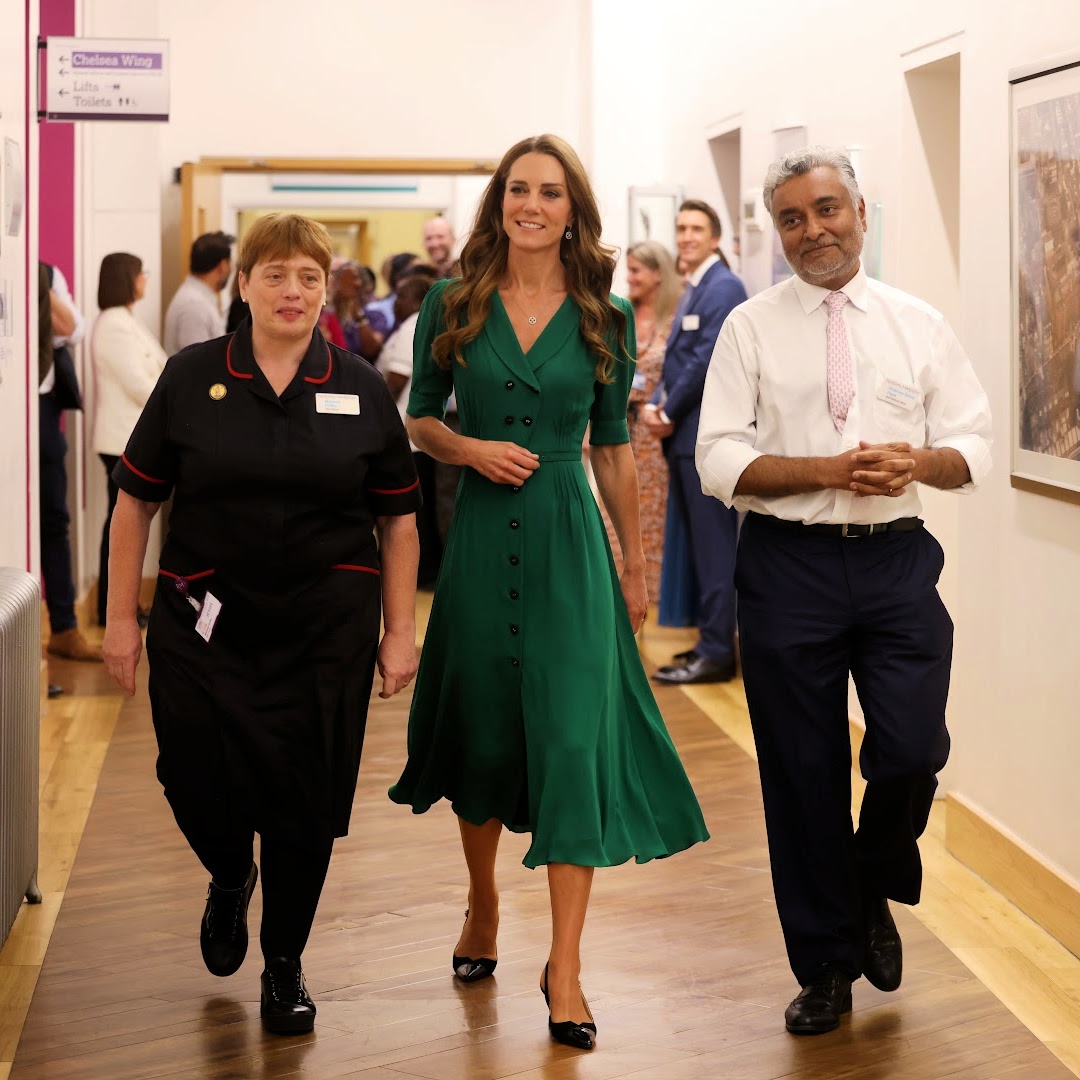
The Princess of Wales returned to the Royal Marsden Hospital in Chelsea on September 11, visiting the hospital where she received cancer treatment in 2024.
The visit focused on plans for a new Centre for Holistic Wellbeing and Recovery, which will be supported by funds raised through the Princess of Wales’s National Three Peaks Challenge earlier this year.
Wearing a bright green Suzannah London dress, Kate met patients undergoing treatment, members of staff and researchers working to improve cancer care.
One of the most affecting conversations came when patient Sam Suriakumar told her that his first thought after receiving his diagnosis had been his family. Kate replied that her children had also been her first thought and said: “Our children give us the inspiration to keep pushing forwards.”
Another patient later told reporters that she had forgotten she was speaking to a princess because the conversation was simply between two people who understood what it meant to face cancer.
Kate described the treatment she received at the Royal Marsden as “incredible” and told those gathered that the visit was her “small way” of giving back and saying thank you.
The proposed new centre will look beyond clinical treatment to consider the emotional, physical, social and spiritual effects of cancer and recovery.
It is an approach Kate has discussed since announcing in January 2025 that she was in remission, including the complicated process of finding a new normal after treatment ends.
There was no attempt to sugar coat cancer nor pretend that it can become a neat chapter of someones story with a happy ending.
Instead, Kate spoke as someone who understands the fear a diagnosis brings, particularly for parents, and the importance of supporting patients through everything that comes after it.
William puts prison rent back into Dartmoor
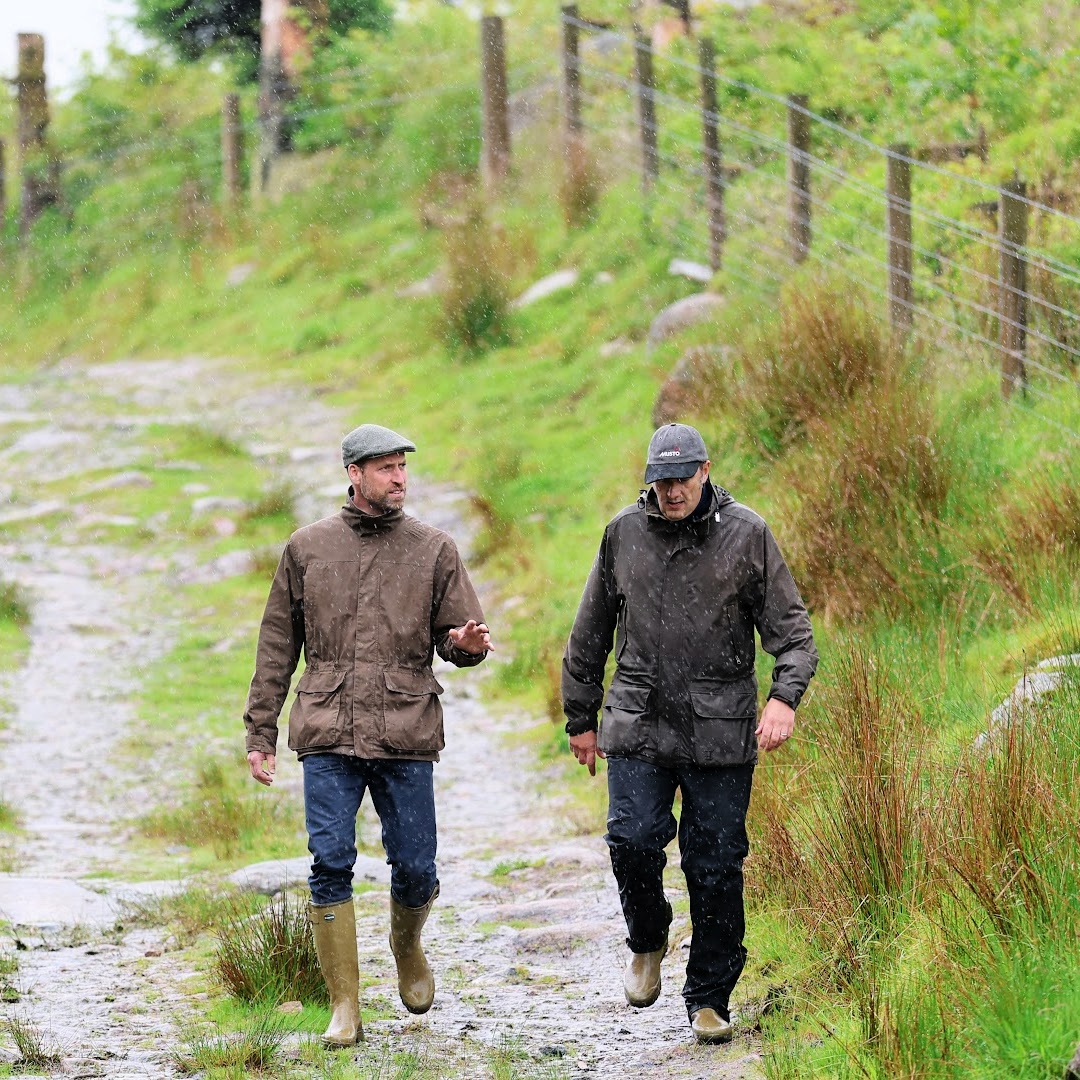
The Prince of Wales is preparing to launch a £250,000 community fund for Princetown, the isolated Dartmoor village best known as the home of Dartmoor Prison.
The prison has been empty since July 2024 after high levels of radon, a naturally occurring radioactive gas linked to lung cancer, were detected in prisoner accommodation. However, the Ministry of Justice continues to lease the site from the Duchy of Cornwall under an agreement reportedly worth £1.5 million a year.
That arrangement drew criticism after it was examined in a 2024 investigation into the property interests of the Duchies of Cornwall and Lancaster.
William has since asked for the prison rental income to be removed from the money available for distribution to him from the 2026–27 financial year and redirected towards Princetown and the surrounding area.
The new Princetown Community Fund will provide at least £250,000 for projects led by local people, with grants expected to range from £500 to £40,000. The money can be used for social, economic and environmental projects, including support for community facilities, small businesses, young people and the region’s natural landscape.
It will be delivered by Devon Communities Together and forms part of the Duchy’s broader plan to invest more than £500 million over the next decade in housing, local economies, renewable energy, farming resilience and environmental recovery.
The fund will not erase questions about why the public purse continues paying rent on an empty prison but redirecting that income into the affected community is a significant response. It also gives Princetown residents a say in what their town needs rather than arriving with a royal plan already drawn up for them.
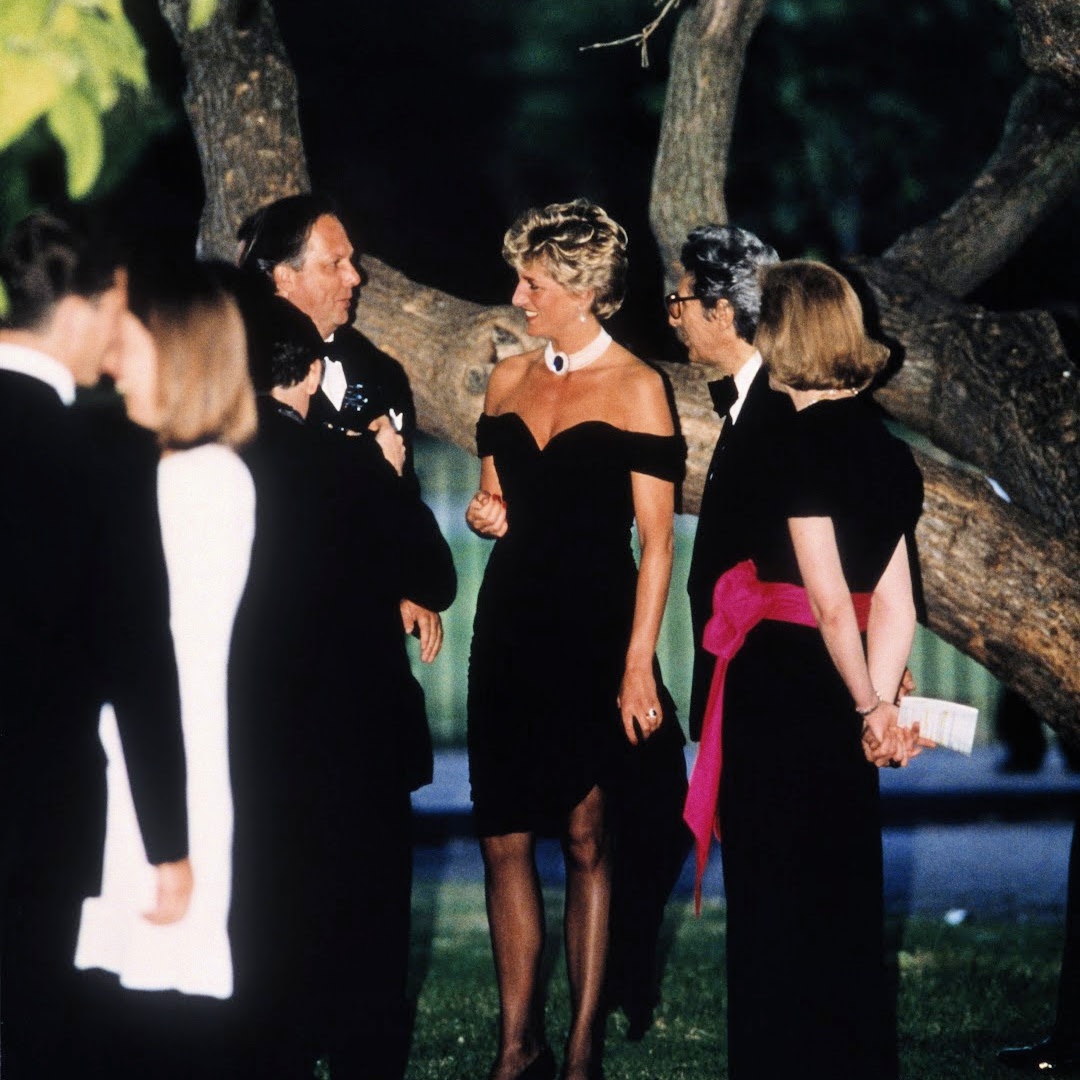
The revenge dress rides again
Princess Diana’s famous revenge dress is heading back to auction nearly 30 years after it was last sold.
The black Christina Stambolian gown, worn by Diana to the Serpentine Gallery on June 29, 1994, is expected to be auctioned by Sotheby’s in New York on December 9, with an estimate of between US$150,000 and US$300,000.
On that same evening, a television documentary aired in which the then-Prince Charles admitted he had been unfaithful during his marriage after it had “irretrievably broken down”.
Diana had reportedly owned the off-the-shoulder dress for several years but considered it too daring for a royal engagement. Faced with the prospect of every headline focusing on her estranged husband’s confession, she wore it to the Serpentine Gallery’s summer party and created one of the most memorable fashion moments in royal history.
The following morning, photographs of Diana filled newspaper front pages. Charles had given the interview, but Diana had seized the attention without saying a word.
She sold the dress in 1997 as part of an auction of 79 outfits benefiting cancer and AIDS charities. It fetched US$65,000 and has remained with its buyers ever since.
Before returning to auction, the gown will be displayed in London, Hong Kong, Geneva and New York. Part of the proceeds will be donated to NHS Lothian Charity on behalf of the Royal Edinburgh Hospital.
Whether it reaches the upper estimate, or races well beyond it, remains to be seen. Diana’s clothing has commanded extraordinary prices in recent years, helped by renewed interest in her style and the stories attached to individual pieces.
Few garments carry a story as powerful as this one. It was not merely a beautiful black dress worn on an unfortunate night. It showed Diana understood how to use fashion to reclaim control of the conversation when the world expected her to disappear.
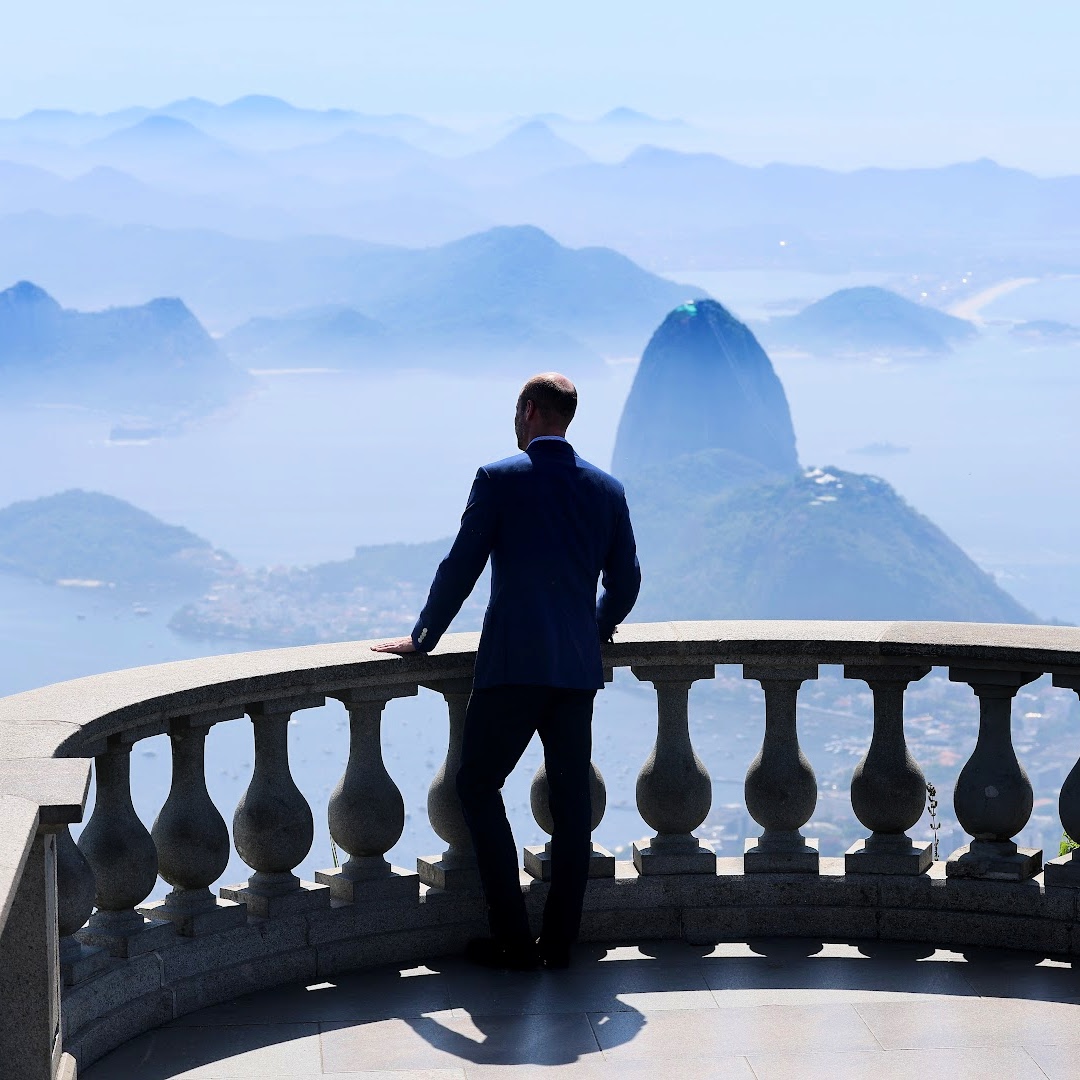
William makes the case for ‘urgent optimism’
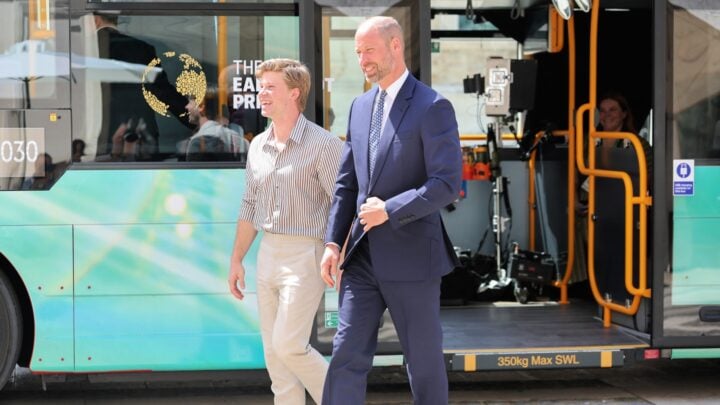
In a personal essay written for The Independent, Prince William reflected on the worsening climate crisis and the devastating wildfires seen across parts of the world this year. While acknowledging the scale of the challenge, he argued that fear and despair cannot be allowed to prevent action.
William called for what he described as “urgent optimism” not blind hope that everything will work itself out, but confidence that proven environmental solutions can make a difference if they receive the support needed to grow. He pointed to the work of the Earthshot Prize, which he founded in 2020 to identify and expand ideas addressing some of the planet’s greatest environmental problems.
The Prince wrote that the years remaining before 2030 will be critical and said he refuses to give up on the possibility of change. With the 2026 Earthshot Prize finalists due to be announced ahead of this year’s awards in Mumbai, his message was serious but hopeful: the answers already being developed around the world now need commitment, investment and the chance to succeed.
Royal life rarely offers a slow news week. Until next time, keep the tea hot and the tiaras polished.





 Proudly Australian owned and operated
Comments 0
Join the conversation. Comments are reviewed before they appear.
Be the first to comment.
Join the conversation
Tell us who you are to post a comment. We'll remember you next time.