
Should you correct someone with dementia? What caring for her mum taught Thea McCroary



When a loved one asks the same question again, it can be difficult to know how to respond. Do you remind them you have already answered, explain what they have forgotten, or try to move the conversation on?
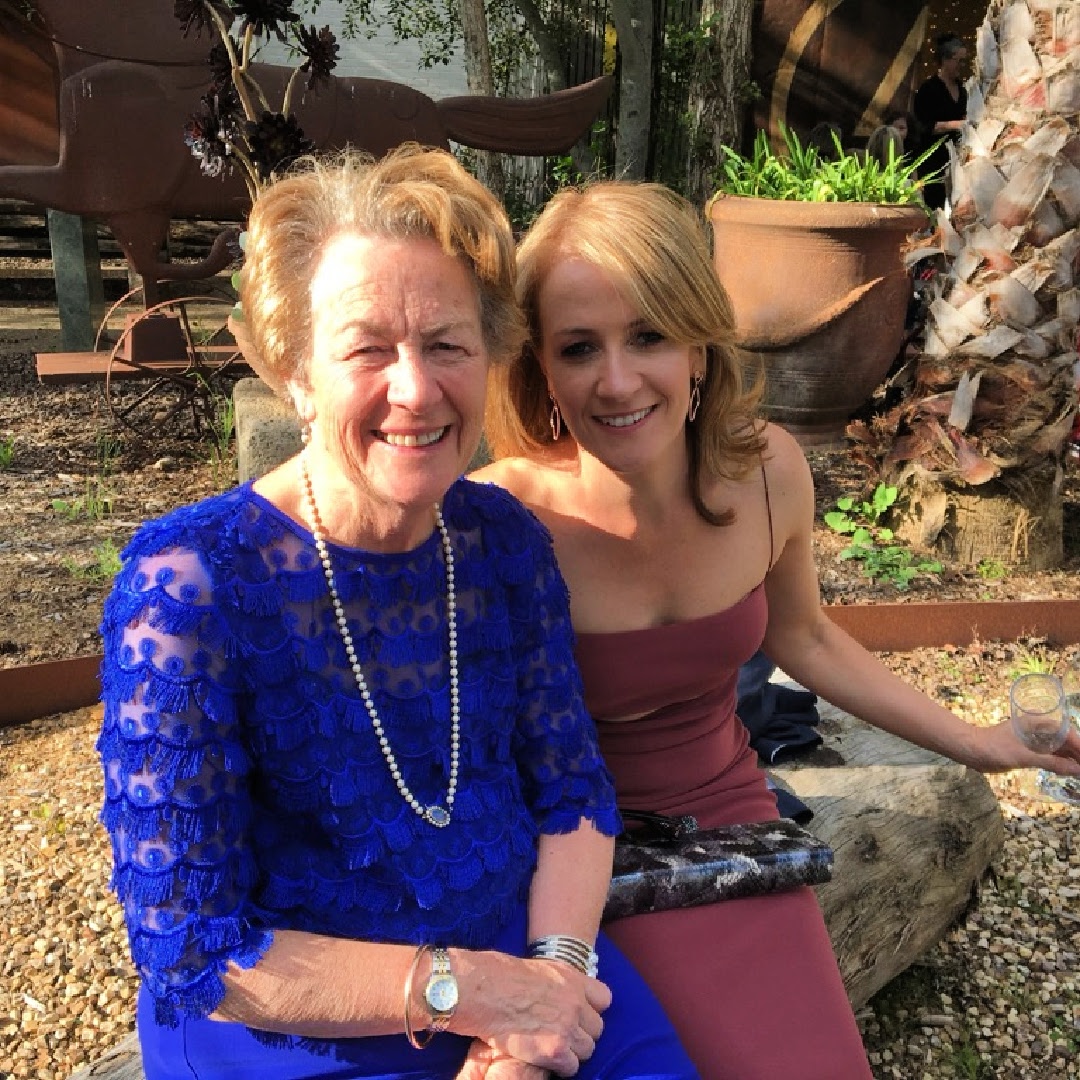
For Thea McCroary, chief operating officer of Prestige Inhome Care, these are questions she understands through both her work in aged care and her experience supporting her late mother, Carol, who lived with dementia.
“Having supported my mum through her dementia journey, I understand first-hand the emotional toll it can take on a family,” she says. “Dementia doesn’t just affect the person living with the condition, it touches everyone who loves them.”
Alongside care responsibilities, families can find themselves managing grief, uncertainty and exhaustion while keeping their own households running. Thea’s experience reinforced the need to share that responsibility and seek help before it becomes overwhelming.

“One of the most important lessons I learned is that no one should try to do it alone. Lean on each other, share the load where you can, and don’t forget to care for yourself as well.”
Recognising that help may be needed often begins with changes that are easy to explain away. Thea says early signs can resemble ordinary ageing, stress or fatigue, including difficulty finding familiar words, repeated questions, trouble following a recipe or instructions, and problems paying bills.
The point to seek advice is when a change in behaviour or thinking starts affecting daily life. Memory difficulties can have different causes, so a GP assessment is a way to understand what is happening rather than assume a diagnosis.
“This way, families can plan ahead instead of making crucial decisions in the middle of a crisis,” Thea says.
Raising concerns with someone who feels nothing is wrong takes care. She recommends choosing a calm moment, discussing specific changes and asking how the person feels, rather than jumping to conclusions about their memory. Offering to accompany them to a general health check can make the next step easier.
After a diagnosis, everyday interactions can bring another set of questions. Repetition, for example, may reflect difficulty retaining information, but the person may also be looking for reassurance.
“Correcting them can cause distress or confusion, especially if they do not remember asking the question,” Thea explains.
Rather than emphasising how many times something has been asked, she suggests responding calmly and considering what might be behind it.
“Are they seeking reassurance, or trying to fill in a gap in their memory that is bothering them? Are they feeling anxious, bored or uncertain?”
A familiar activity can sometimes help shift attention once that need has been considered. Thea suggests folding laundry, pairing socks, watering plants or listening to a favourite song, depending on what the person enjoys and can comfortably manage.
Similar attention to the circumstances can help when someone becomes distressed, angry or withdrawn. Noise, fatigue, overstimulation or being asked to remember several things at once may contribute. Thea encourages carers to notice when changes happen and whether a disrupted routine could be involved.
“It is more important to identify what is causing your loved one stress rather than to focus on stopping the behaviour.”
Consistent mealtimes, familiar faces and a predictable daily schedule can provide reassurance. Activities such as gardening, painting or gentle movement can also give someone opportunities to participate in things they enjoy.
Families need support too. Thea says carers often seek in-home help when they are already exhausted, although respite can be considered earlier. Planning ahead also means discussing future care preferences while the person can participate, and seeking appropriate advice about financial and legal arrangements.

Dementia Australia offers free, confidential professional counselling for individuals, families, couples and professional carers, providing space to talk through the emotional impact and develop coping strategies.
Making room for connection need not involve an elaborate outing. Looking at photographs, sharing a favourite treat, listening to music or taking a short trip outdoors can offer enjoyable time together, with activities adapted to the person’s interests and abilities.
For Thea, having help with care can also create room for a relationship beyond the daily tasks.
“They not only provide compassionate, professional care for your loved one, but also give family carers the opportunity to rest, recharge and simply be a son, daughter, partner or spouse again, rather than a full-time carer.”
Her advice to families includes taking their own wellbeing seriously: “Looking after your own wellbeing isn’t selfish, it’s essential if you’re going to continue supporting someone you love.”
For information and support, contact Dementia Australia’s free, confidential National Dementia Helpline on 1800 100 500, available 24 hours a day, seven days a week.
For more articles on dealing with Dementia and caring for family members with Dementia click here.





 Proudly Australian owned and operated
Comments 0
Join the conversation. Comments are reviewed before they appear.
Be the first to comment.
Join the conversation
Tell us who you are to post a comment. We'll remember you next time.