
Why more older Aussies are quietly giving up cooking every night


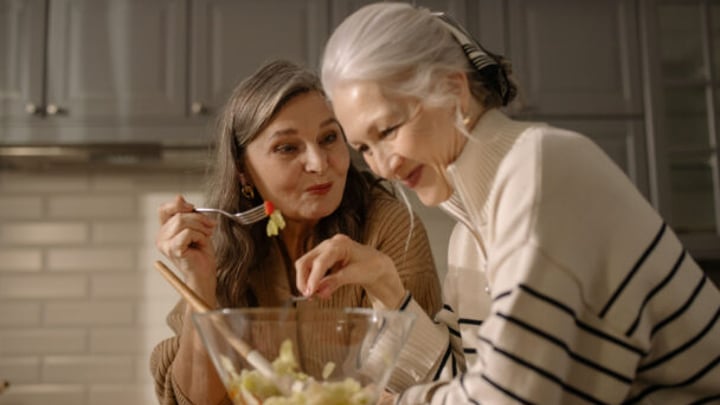
After decades spent feeding families, planning dinners and cleaning kitchens, many older Australians are reaching a point where cooking simply feels like too much effort. Nutrition experts say the shift is more common than people realise — and it may be affecting health, strength and independence in later life.
Dinner used to be automatic, a time when we bought groceries, cooked the meal, packed away leftovers and did it all again the next day. For many Australians now in their 60s and 70s, that routine lasted decades.
But somewhere along the line it all changed.
The motivation faded, and the effort started outweighing the reward. Cooking for one felt pointless and even deciding what to eat became tiring.
Nutritionist Kiara Hardy from Youfoodz says “cooking fatigue” is becoming increasingly common among older Australians.
“After decades of planning meals, shopping and cooking, many people simply lose motivation to prepare meals every day,” Hardy said.
“Physical challenges such as arthritis, reduced mobility or fatigue can make this even harder.”
For some, the issue begins after losing a partner, while others simply grow tired of nightly meal preparation after years of caring for children and extended family.
The result can be subtle but significant as meals are skipped, variety disappears, and toast or noodles become dinner.
The protein problem after 50
Health professionals are particularly concerned about declining protein intake as people age. From about the age of 50, adults naturally begin losing muscle mass through a process known as sarcopenia and, over time, that loss can affect balance, mobility, recovery from illness and overall independence.
Hardy said many older Australians underestimate how much protein they need.
“For adults over the age of 50, the recommended daily intake is 0.75g to 1g of protein per kilogram of body weight,” she explained.
“A person weighing 70 kilograms would need between 52.5g and 70g of protein per day.”
Importantly, she said protein intake should be spread across the day rather than loaded into one large evening meal.
That becomes harder when eating habits change or cooking motivation disappears.
Cooking for one is harder than people admit
Australians are increasingly living alone later in life, and that has changed the way many people eat.
Cooking for one or two people can feel expensive, a bit “samey” and emotionally flat compared to preparing meals for a busy household.
Fresh ingredients spoil quickly and recipes are oversized. And let’s face it, at this stage of like shopping can feel like work.
“One of the biggest challenges is that preparing balanced meals for one or two people can feel time-consuming and less rewarding than cooking for a family,” Hardy said.
“This can lead to skipped meals, repetitive food choices or reliance on snacks that may not provide adequate nutrition.”
She added it is also why ready-made meal services are gaining traction among older people who once would have dismissed them outright.
Convenience food has had a makeover
For years, convenience meals carried the stigma of being heavily processed, salty and nutritionally poor and that perception still exists among many older Australians raised on the idea that “proper cooking” meant preparing everything from scratch.
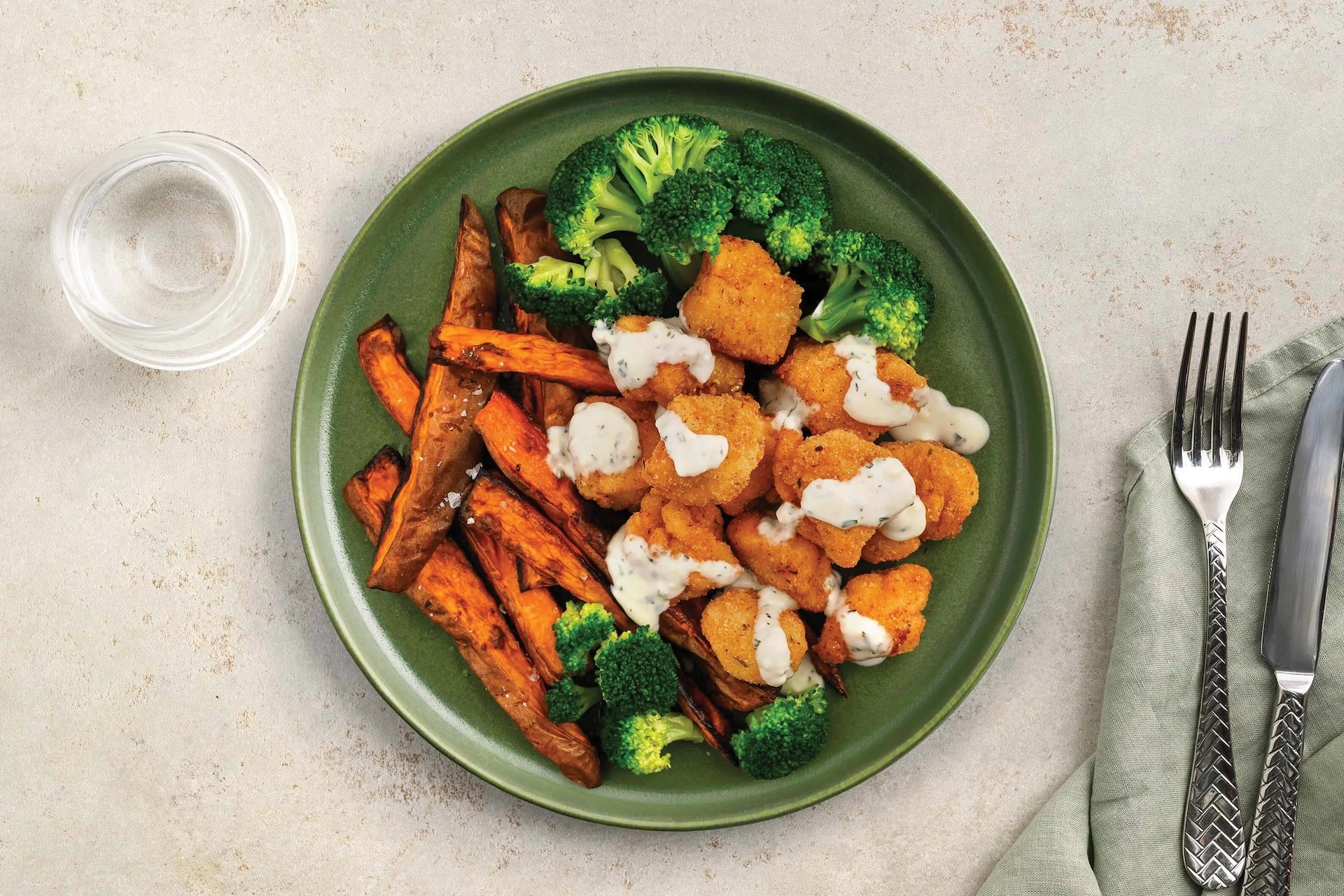
But the category has shifted sharply in recent years, with meal delivery companies such as Youfoodz appealing to people looking for practical, healthier options that remove the daily burden of cooking. A box of meals (12, for example) can have an average cost of between $10-$12 per meal, so it’s not as expensive as some might think. Factor in the time and cost it takes to drive to the supermarket or market, shop for an hour, drive home, unpack and then prepare and cook meals, and the cost of home delivered subscription meal services may be on par if not cheaper, and certainly time-saving.
Hardy said people should focus on protein, vegetables and fibre when assessing prepared meals, while keeping an eye on saturated fat and sugar levels.
For retirees, nutrition is no longer simply about dieting or weight loss and is increasingly tied to energy, resilience and maintaining independence.
That might mean staying strong enough to travel, volunteer, exercise, mind grandchildren or remain living comfortably at home.
Hardy believes practical meal solutions will continue playing a bigger role as Australia’s population ages.
“The key is ensuring these options provide balanced nutrition as well as convenience,” she said.
“As Australia’s population continues to age, these kinds of solutions are likely to become an increasingly valuable tool in helping people maintain their independence and continue living well at home for longer.”
Only just last week, Starts at 60’s Emily Darlow road-tested Youfoodz, describing it as a possible solution to the “I can’t be bothered cooking” dilemma facing many busy Australians.





 Proudly Australian owned and operated
Comments 0
Join the conversation. Comments are reviewed before they appear.
Be the first to comment.
Join the conversation
Tell us who you are to post a comment. We'll remember you next time.