
The Hidden Health Insurance Trap Catching Out Retirees: Paying for Cover You’ll Never Use


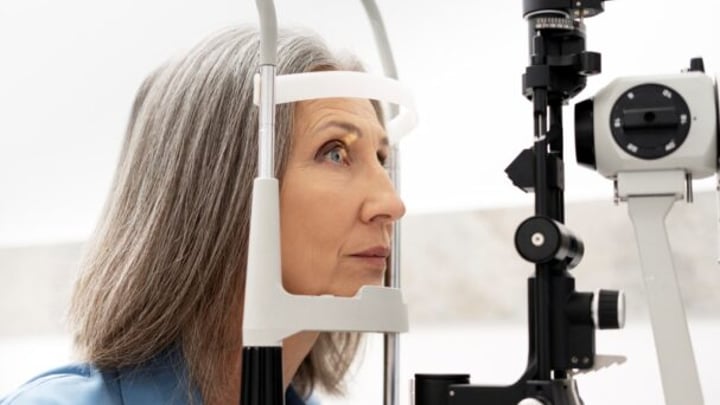
If you’ve had the same health insurance policy for the past 20 or 30 years, there’s a good chance it still includes cover for things you’ll simply never need again – pregnancy and birth-related services being the most obvious example. Meanwhile, it may not adequately cover the things you’re actually far more likely to need in your 60s, 70s and beyond, like joint replacements, cataract surgery, or hearing aids. If you haven’t reviewed your policy in years, it’s worth understanding just how much your needs – and the rules around your cover – have likely shifted.
Why your policy from your 40s doesn’t fit your 60s
Australian hospital policies are grouped into product tiers – Basic, Bronze, Silver and Gold – each bundling in a different combination of procedures. Many policies taken out years ago, particularly Gold-tier or comprehensive family policies, include pregnancy and birth-related services that made sense when you had young children, but serve no purpose for you now. You may be paying a premium loaded with cover you’ll never claim on, while newer, more targeted policies for your life stage could offer better value for the procedures you’re actually more likely to need with age.
A genuine change coming for older Australians’ rebates
Here’s something every Australian in their 60s and 70s should know about: from 1 April 2027, the private health insurance rebate – the government contribution that reduces your premium – is changing for older policyholders. Australians aged 65 to 69 earning below the relevant income thresholds will see their rebate reduced from 28 per cent to 24 per cent, while those 70 and over in the same income brackets face an even bigger cut, from 32 per cent down to 24 per cent. In other words, some older Australians who currently receive one of the higher rebate tiers specifically because of their age will soon receive less government support toward the same policy.
This matters for two reasons. First, it means your premium is likely to rise from that date even without your insurer applying a separate premium increase. Second – and this is the part often missed – it’s a strong prompt to actually compare your options now, rather than waiting until the change takes effect and simply accepting whatever your current fund charges you.
What this means for your cover
If you’re in your 60s or beyond, it’s worth asking yourself a few honest questions about your current policy:
- Does it still include pregnancy, birth or IVF cover you’ll never use?
- Does it adequately cover joint replacements, hip and knee surgery, cataract removal, and other procedures common in later life?
- Have you checked whether a policy specifically designed for your age bracket might offer better value than the one you’ve been on for decades?
- Are you aware of, and prepared for, the rebate changes coming in April 2027?
None of this means private health insurance stops making sense as you age – quite the opposite, since the procedures Medicare waiting lists are longest for (hip and knee replacements, cataract surgery) are exactly the ones more common later in life. But it does mean the specific policy you’ve had for years may no longer be the right fit, or the best value, for the health needs you actually have now.
Not sure if your current policy still suits your life stage? Compare your health insurance with Starts at 60 to see whether a better-matched policy could save you money.





 Proudly Australian owned and operated
Comments 1
Join the conversation. Comments are reviewed before they appear.
I was told when I questioned birth related inclusions in my health fund, that if I wanted what other benefits were covered in that bracket it would have to stay,
I hate that when you email comparison site they really pressure to change. Why can’t we just get an honest comparison without the hype?
Join the conversation
Tell us who you are to post a comment. We'll remember you next time.