
Not afraid of technology… just tired of it


THE BIG READ
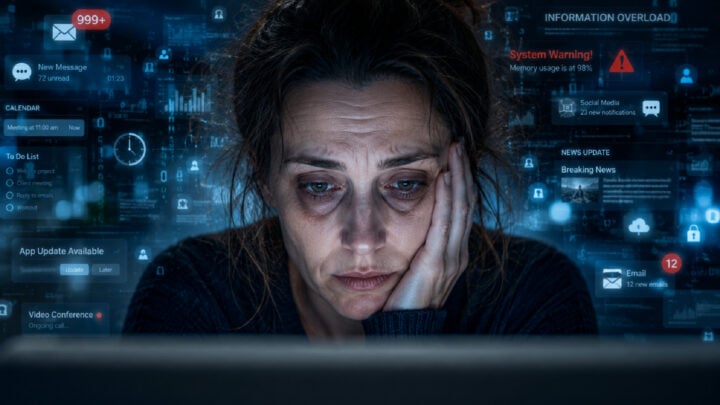
From passwords and scam alerts to endless notifications, many older Australians are feeling mentally drained by the digital world. But experts say the answer isn’t giving up technology – it’s taking back control.
There was a time when the day ended when you walked through the front door: the phone stopped ringing, the post had already arrived, and bills sat on the kitchen bench until you were ready to deal with them.
If someone wanted to speak to you, they waited, but today, life feels very different.
Another password to remember. Another verification code texted to your phone. Another software update. Another email asking you to confirm your identity. Another notification demanding your attention before you’ve even finished your morning coffee. Another…
For many of us, particularly those over 55, it’s the relentless mental load that comes with living in an always-connected world. Technology itself isn’t the problem.
And according to digital wellbeing researcher Dr Jo Orlando, you’re certainly not imagining it.
“Many people over 55 tell us they’re not afraid of technology – they’re simply tired of it,” she said.
“The particular thing about that demographic is that they remember life before notifications. The freedom we had before remembering passwords, managing notifications and the recent onslaught of AI, which has really increased surveillance of us all.”
It’s a feeling that’s becoming increasingly common.
Technology has undoubtedly made life easier in countless ways as we can bank from the couch, order groceries in minutes, video call grandchildren interstate and book holidays with a few taps.
Yet every convenience seems to arrive with another login, another security check and another digital responsibility.
It’s no longer about screen time
For years, conversations around digital wellbeing focused on one thing: how much time we spent looking at screens.
Dr Orlando believes that’s no longer the whole story.
“Digital burnout is the more extreme way of describing when technology overall becomes such a burden that you’re no longer able to manage it,” she explained. “Digital wellbeing focuses on managing the challenges of technology while also leveraging the opportunities it offers for working, communicating and living.”
That definition has evolved dramatically.
“It used to be about managing screen time and online safety,” she points out. “Now it also includes understanding how social media creates echo chambers that shape how we understand the world. It extends to understanding AI and how our digital lives are being shaped, often without us even knowing. If we want to protect our digital wellbeing, we need to understand the factors that are influencing it.”
In other words, it’s no longer just about how often we pick up our phones, it’s about everything technology now asks of us.
The mental load we never signed up for
Think about a typical week. You might log into internet banking, check Medicare, access MyGov, pay bills, answer family WhatsApp messages (or SMS), verify an online purchase, reset a forgotten password, dismiss dozens of notifications and delete suspicious emails pretending to be your bank. Then there’s logging into Netflix, Kayo or ordering a movie on Apple.
Individually, none of those tasks are particularly difficult but collectively, they can feel exhausting.
And then there’s artificial intelligence.
Dr Orlando says AI has quietly added another layer of complexity to our online lives.
“The real issue now is all of them – and more,” she said.
“AI has already had huge impacts in terms of how many scams we now encounter, how much data is collected from us and sold, and the constant surveillance of everything we do.
“The digital world has changed a lot recently and we’re all feeling the weight of it.”
Why scams make everything harder
It’s not just the scams themselves, its the constant vigilance.
Should you trust that text message? Was that email really from Australia Post? Is that voice on the phone genuine?
Every interaction now requires a moment of doubt.
“Absolutely,” Dr Orlando said when asked whether scams contribute to digital fatigue.
“AI has stepped it up and we now encounter so many more scams, and they’re becoming harder to identify. And it’s not just scams. Much of the content we read online is AI-generated, so we’re constantly on guard, trying to work out whether someone is attempting to trick or mislead us.”
Being permanently alert takes energy and over time, that mental effort accumulates.
The warning signs
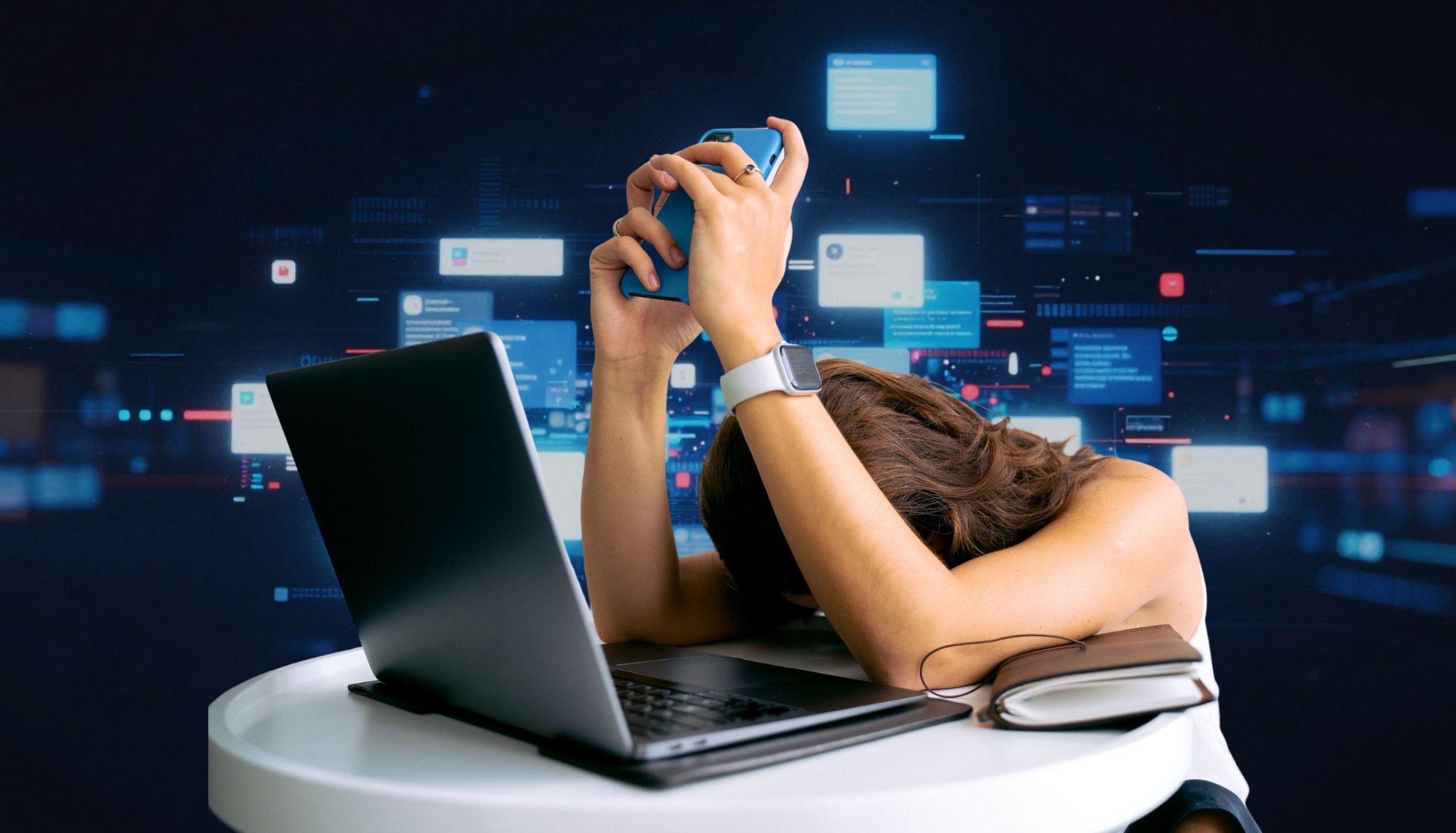
Digital fatigue doesn’t always look dramatic and sometimes it appears as frustration.
Perhaps you find yourself sighing every time another password is required or maybe you feel irritated before you’ve even opened your laptop.
For Dr Orlando, those emotional reactions are often the first clues.
“Anger when using technology, or constantly feeling friction every time you have to upload a password or prove who you are again,” she said.
“If it starts affecting your mood and that doesn’t resolve quickly, that’s an early warning sign.”
One simple change that can make a big difference
If she could give Australians just one piece of advice, it’s remarkably simple: turn off your notifications.
“My number one tip is to turn your notifications off,” Dr Orlando said.
“You don’t need to know the moment every email arrives. You don’t need to know every time a shop you’ve followed uploads something to Facebook. We’ve become used to the idea that we need to see, read and respond to everything immediately.
“But we don’t. That’s unnecessary pressure we simply don’t need to put on ourselves.”
That’s the biggest lesson. Technology was designed to make life easier, not busier, and keeping the parts that improve our lives while quietly switching off the rest might just be the healthiest digital habit we can develop.
Want to learn more?
Dr Jo Orlando is one of Australia’s leading researchers in digital wellbeing, AI and digital safety. An author, speaker and consultant, she works with organisations, governments and educators to help people build healthier relationships with technology. You can learn more about her work at Dr Joanne Orlando’s website.





 Proudly Australian owned and operated
Comments 0
Join the conversation. Comments are reviewed before they appear.
Be the first to comment.
Join the conversation
Tell us who you are to post a comment. We'll remember you next time.