
20 everyday foods to help lower your cholesterol


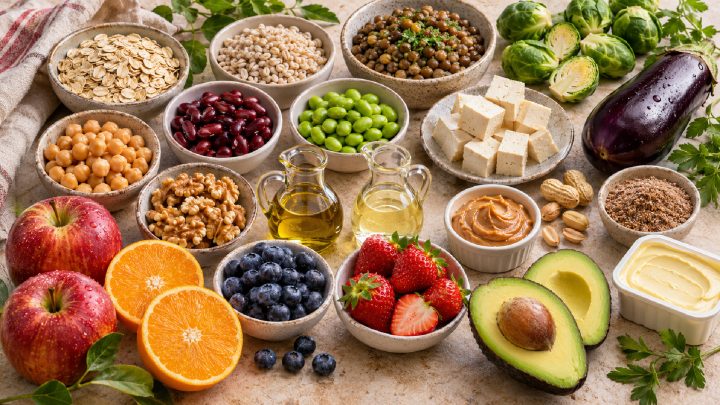
A better cholesterol result can start with what goes into your shopping trolley. From breakfast oats to an inexpensive tin of beans, these 20 foods offer practical ways to put heart-health advice on your plate.
Being told your cholesterol is too high can leave you wondering what you’re supposed to eat. Is butter out? Are eggs allowed? And does looking after your heart mean giving up every meal you enjoy?
Fortunately, familiar supermarket foods can do much of the work. Porridge, a tin of beans and a handful of nuts all have a place, without an expensive “superfood” in sight.
The aim is to lower LDL cholesterol, which can contribute to plaque building up inside arteries. Some foods help directly through soluble fibre or plant sterols; others are useful because they replace foods high in saturated fat.
These choices can complement prescribed treatment, but they cannot guarantee you will avoid medication. Keep taking cholesterol medicine unless your doctor advises otherwise.
Before adding anything to the trolley, it’s worth looking at what you eat most often. Butter and cream, fatty cuts of meat, bacon and salami, cakes, pastries and many fried takeaway meals can all contribute saturated fat, which raises LDL cholesterol. Coconut oil is high in saturated fat too, despite its healthy reputation.
You don’t have to abandon every favourite, but smaller portions and less frequent servings can make room for better everyday choices.
Try olive oil instead of butter in suitable recipes, and replace some meat-based meals with beans or tofu. Spreads made from unsaturated oils can also be a useful alternative to butter, so margarine should not be dismissed as an unhealthy choice across the board.
20 foods worth putting on your shopping list:
Oats
A bowl of porridge is a useful starting point. Oats contain beta-glucan, a soluble fibre that helps reduce cholesterol absorption. Choose plain oats and add fruit for sweetness. The evidence supports around 3g of oat or barley beta-glucan daily, which usually requires more than one small serving.
Barley
This inexpensive grain contains the same helpful fibre. Add pearl barley to vegetable soup or a slow-cooked casserole, or use it as the base for a salad with roasted vegetables.
Lentils
Lentils provide fibre and plant protein, and make mince go further. Try replacing half the mince in bolognese or shepherd’s pie with cooked lentils. You’ll cut saturated fat while keeping a substantial meal.
Chickpeas
Add drained chickpeas to a curry or salad, or turn them into hummus with tahini and lemon juice. Their fibre makes them a useful regular addition to a cholesterol-conscious diet.
Kidney beans
A tin of kidney beans can turn leftover vegetables into dinner. Use them in chilli or a tomato-based casserole. Choose no-added-salt varieties where available, or drain and rinse regular canned beans.
Tofu
Soy foods can help lower LDL cholesterol, and tofu can replace higher-saturated-fat meat in a meal. Firm tofu works well in stir-fries: pat it dry, brown it lightly and add ginger, garlic and vegetables.
Edamame
These young soybeans are another easy way to include soy protein. Look for frozen shelled edamame to toss through rice dishes or salads. They are handy when you want a quick plant-based alternative to meat.
Almonds
A small handful of unsalted almonds makes a useful alternative to biscuits. Nuts provide unsaturated fats, fibre and plant protein. Around 30g is a practical serving; you don’t need a separate handful of every variety.
Walnuts
Walnuts offer unsaturated fats, including the plant omega-3 fat ALA. Chop a few over breakfast or add them to a salad. Like other nuts, they fit best as a replacement for a less nutritious snack.
Extra virgin olive oil
Use olive oil instead of butter for suitable cooking or dressings. Replacing saturated fat with unsaturated fat can help lower LDL cholesterol. Pouring extra oil over an otherwise unchanged diet is not the same swap.
Canola oil
There’s no need to buy the most expensive oil on the shelf. Canola oil is another useful source of unsaturated fats and has a mild flavour that suits everyday cooking.
Avocado
Spread avocado on toast or a sandwich in place of butter. It provides unsaturated fat as well as fibre, and works particularly well with tomato, pepper and a squeeze of lemon.
Natural peanut butter
Peanut butter can also replace butter on toast. Choose one made mainly from peanuts, preferably without added salt or sugar. Check the ingredients, as some varieties include added palm or coconut oil.
Apples
Apples contain pectin, a type of soluble fibre. Keep the skin on for extra fibre and eat the fruit whole. An apple is an easy snack to pack when the alternative is buying a pastry.
Oranges
Whole oranges provide fibre that a glass of juice largely leaves behind. Have one with breakfast or after lunch. They contribute to the overall eating pattern; no single piece of fruit will transform a cholesterol result.
Berries
Fresh or frozen berries add fibre and variety to breakfast. Stir unsweetened frozen berries through porridge or plain yoghurt. There’s no need to pay a premium for fresh blueberries when other berries are cheaper.
Eggplant
Eggplant contributes fibre and can give vegetable dishes a satisfying texture. Roast it with a modest amount of olive oil or simmer it in a tomato-based sauce. Deep-frying it changes the nutritional picture considerably.
Brussels sprouts
These fibre-containing vegetables deserve another chance if your main memory is a soggy boiled version. Roast halved sprouts until tender and browned, then finish with lemon. They help build the vegetable-rich meals recommended for heart health.
Ground linseed
Also called flaxseed, linseed supplies fibre and unsaturated fats. Stir a little ground linseed into porridge or plain yoghurt. Ground seeds are easier to incorporate into meals than whole ones; increase fibre gradually and drink enough water.
Plant sterol-enriched spreads
Some spreads contain added plant sterols, which reduce cholesterol absorption. Australian guidance identifies 2–3g of plant sterols daily as an effective amount for lowering LDL. Follow the product’s serving directions, and use it instead of your usual spread. More than 3g does not provide additional LDL reduction.
Start with the meal you eat most often
You don’t need to buy all 20 foods this week. Start with breakfast, change the spread on your sandwich or add lentils to a familiar dinner.
The Heart Foundation recommends reduced-fat, unflavoured dairy for people with high cholesterol. Oily fish also belongs in a heart-healthy diet, although its omega-3 benefits should not be confused with a guaranteed reduction in LDL.
Your GP can assess your overall cardiovascular risk and arrange follow-up cholesterol testing. An Accredited Practising Dietitian can help turn the advice into meals you’ll actually want to keep eating.





 Proudly Australian owned and operated
Comments 0
Join the conversation. Comments are reviewed before they appear.
Be the first to comment.
Join the conversation
Tell us who you are to post a comment. We'll remember you next time.