
New dementia-friendly eyecare aiming to boost independence


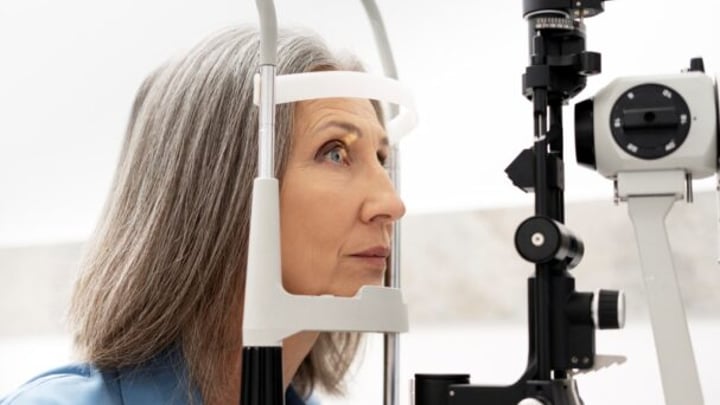
New accessible resources have been developed by Australian researchers, which aim to break down long-standing barriers to dementia-friendly eyecare, making it easier for people living with dementia — and their families — to receive the vision support they need.
The study from Melbourne’s Monash University found people living with dementia are at higher risk of common, treatable vision problems, including refractive errors and cataracts. Many of these can be improved through simple interventions such as new spectacles or cataract surgery.
However, people with dementia are often less likely to see an optometrist regularly, even though poor eyesight can worsen confusion, increase falls risk and make daily life significantly more challenging.
The research team set out to understand how to improve the eye-test experience for people with dementia, with the goal of supporting better wellbeing, safety and independence.
Study highlights barriers to dementia-friendly eyecare
The study — published in the Journal of Alzheimer’s Disease and conducted by experts from the University of Melbourne, the University of Western Australia, and the National Centre for Healthy Ageing (NCHA) — identified two key barriers:
- Many optometrists lack dementia-specific training
- People with dementia and carers often do not declare a dementia diagnosis before the appointment
Addressing these barriers is essential, researchers said, because dementia can impact communication, concentration, energy and behaviour during an eye exam.
Dr Marianne Coleman, the study’s lead author, said the research found good eyesight matters to people living with dementia in all kinds of ways.
“However, keeping up with regular eye tests and following eyecare advice at home, like putting in eye drops, can be difficult,” Dr Coleman said.
She added that difficulties can arise when eyecare is not adapted for dementia-related needs.
“This is especially the case if the eye test or eyecare advice isn’t adapted to accommodate people’s unique needs associated with dementia, from cognitive fatigue and communication difficulties, to anxiety, agitation, or other changed behaviours.”
Optometrists need more training
The study also found that optometrists want more education to support them in providing dementia-friendly care. It also showed that people with dementia and carers would benefit from tools that help them communicate their diagnosis and needs before the appointment.
Dr Coleman said: “We found in our study that optometrists need and want to know more about dementia, and people with dementia and their families may benefit from resources that enable them to let the optometrist know about a dementia diagnosis.
“It would also be helpful if they could declare any support needs that may arise during the eye test, such as needing to have someone with them, or a longer appointment,” she added.

New resources featured on WHO platform
To support this, the research team has produced new accessible resources designed to help people with dementia inform their optometrist of their diagnosis; outline any support needs (e.g., extra time, a support person, communication help) and to help optometrists adapt their testing approach.
These resources are also featured on the World Health Organization’s Global Dementia Observatory Knowledge Exchange Platform, making the tools accessible internationally.
Lived experience: Why better vision matters
Dementia Advocate Natalie Ive, who co-designed elements of the project, emphasised the importance of addressing vision needs.
“Vision is a key priority for everyone, but it holds even greater significance for those of us living with dementia, as poor vision can significantly impact our quality of life and ability to maintain our independence, perform daily tasks and navigate the world around us,” Ive said.
Hundreds of dementia-friendly optometrists now listed
A major outcome of this research is that people can now search online to find a dementia-friendly optometrist at more than 300 practices across Australia. Optometrists can also complete new dementia-friendly eyecare training developed from the study.
These changes aim to improve safety, reduce stress during appointments, and support people with dementia to maintain independence for as long as possible.





 Proudly Australian owned and operated
Comments 0
Join the conversation. Comments are reviewed before they appear.
Be the first to comment.
Join the conversation
Tell us who you are to post a comment. We'll remember you next time.