
‘I thought he cared about me’: The scam that cost one grandmother her savings and her trust


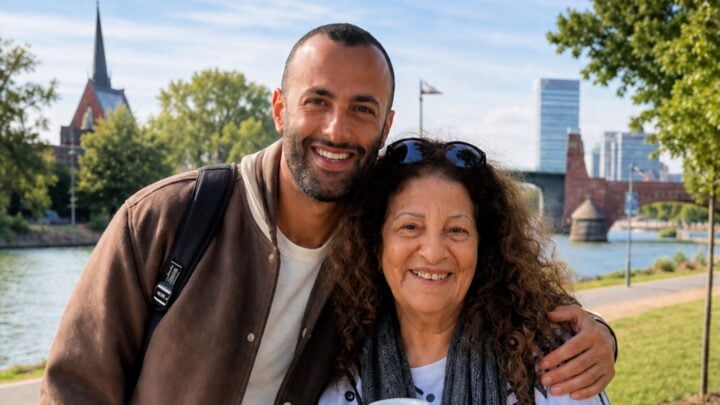
Australians lose billions of dollars to scams each year, and while many people assume they would never fall victim, the reality is often very different.
For Ora Cobani, the person behind the scam did not seem suspicious at all.
He appeared to be a successful businessman. He was kind, attentive and interested in her life. Over months of online conversations, he built what felt like a genuine relationship. When he eventually mentioned an investment opportunity, it did not feel like a sales pitch. It felt like advice from someone she trusted.
By the time Ora realised something was wrong, a significant amount of money had disappeared.
“The platform showed my money growing,” she recalls. “I should have asked why I could not withdraw any of it easily. The answers were always reasonable. There was always an explanation. But every time I asked, there was a reason to wait. I waited too many times.”
How pig butchering scams work
Ora had become the victim of what is known as a pig butchering scam, one of the fastest growing forms of financial fraud in the world.
The name comes from the practice of fattening a pig before slaughter. Unlike traditional scams that rely on urgency or fear, these scams are built on patience.
Criminals can spend weeks or even months developing relationships before introducing an investment opportunity.
For Ora’s grandson, Hai Nakash, the experience changed the way he viewed online financial crime.
“My grandmother is sharp, experienced, and careful with money,” he says. “What the scammer targeted was not her intelligence. It was her trust.”
Nakash says the experience also changed his understanding of how scams work. Like many people, he had assumed financial fraud primarily targeted those who were careless or uninformed. Watching what happened to his grandmother showed him that trust, rather than intelligence, is often the real target.
Today, a large part of his work involves educating Australians about digital financial safety and helping them identify the warning signs before money changes hands.
According to Nakash, one of the biggest misconceptions about scams is the belief that only careless people fall victim. He points out that many victims are highly educated, financially experienced and successful people who become caught up in sophisticated and carefully planned schemes.
Many scams begin with weeks or months of friendly conversation before any money is discussed. By the time an investment opportunity is introduced, the victim often feels they are receiving advice from someone they know and trust.
Scammers also work hard to create an appearance of legitimacy. Victims are commonly shown professional looking websites, trading dashboards and account balances that appear to be generating impressive returns.
“The numbers are fabricated. Nothing has been invested. The platform exists only to manufacture the appearance of performance long enough for a larger transfer to occur,” Nakash says.

For older Australians who may already feel overwhelmed by cryptocurrency, online investing and digital banking, the sophistication of these scams can be intimidating.
One tactic scammers frequently exploit is the belief that complexity equals credibility. Technical language, detailed reports and sophisticated looking platforms can make an operation appear legitimate when it is anything but.
Nakash says legitimate businesses should be able to explain what they do in plain language and provide verifiable registrations and licences.
The emotional toll can be just as devastating as the financial loss.
“It was very difficult,” Ora says. “For a long time I did not want to tell anyone. I felt that I had been foolish.”
Like many victims, she struggled with the embarrassment that often follows a scam.
“We are taught that dishonest people look dishonest,” she says. “This person did not. He was kind, patient, and thoughtful for months. When something that feels real turns out to have been entirely false, the disorientation is profound.”
Ora now believes speaking openly about scams is one of the most important ways to protect others.
“What I lost in trust and confidence was harder to rebuild than the money,” she says.
Her message to other Australians is simple.
“I would say: stop, and tell someone you trust in person before you do anything.”
She stresses that seeking another opinion is not about giving up control of your decisions. Rather, it is about recognising that these scams are designed to manipulate emotions and isolate victims from the people who might raise concerns.
“If the opportunity is real, it will still be there after you have spoken to your family,” she says. “If the person you are talking to discourages you from telling anyone, that is your answer.”
Nakash agrees and says there are three simple rules every Australian should remember.
Three safety steps to stop scams
First, verify before transferring money. Legitimate investment providers operating in Australia should have publicly verifiable registrations and licences.
Second, talk to someone outside the conversation. A family member, friend or financial adviser may identify warning signs that are difficult to see when you are emotionally invested.
Third, treat urgency as a warning sign. Pressure to act quickly, particularly when combined with requests for secrecy, should always prompt caution.
For Ora, sharing her story is not easy, but she hopes it might help someone else avoid the same experience.
“What I lost in trust and confidence was harder to rebuild than the money,” she says. “I do not want that for anyone else. Please talk to someone before you act.”
Hai Nakash is the founder and CEO of NAX Capital, an Australian digital asset brokerage focused on investor education and helping Australians navigate digital assets safely. Find out more at NAX Capital.





 Proudly Australian owned and operated
Comments 1
Join the conversation. Comments are reviewed before they appear.
I don't know whether to believe this story or not. I'm tending to think it's a fabrication to promote NAX Capital and that it's all fiction. I'm happy to be proved wrong, but I just have that feeling.
Join the conversation
Tell us who you are to post a comment. We'll remember you next time.