
Why can’t over-65s access free Cochlear upgrades?


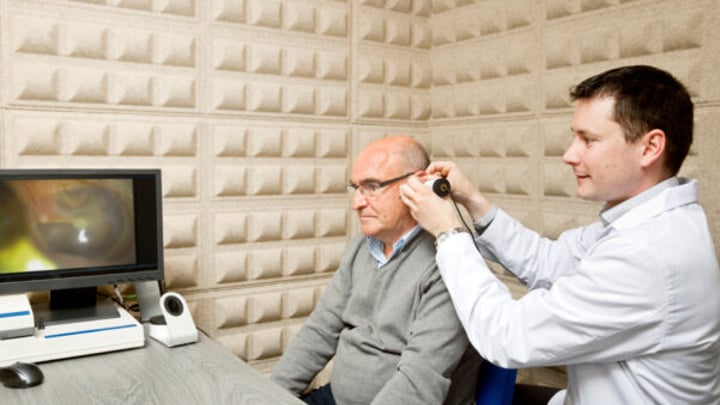
Older Australians with Cochlear hearing implants are being left without access to critical technology upgrades, a revelation which has prompted a national advocacy campaign urging the Federal Government to close what disability groups describe as a major gap in hearing support.
Cochlear implants are widely regarded as the clinical standard of care for people with profound hearing loss who receive limited benefit from traditional hearing aids, which largely just amplify sound. While implantation costs are typically covered under public programs for eligible patients, the external sound processor – required for the device to function – has a limited lifespan and must be replaced or upgraded periodically.
Deafness Forum Australia has lodged a pre-Budget submission calling for funding to be extended to cover replacement Cochlear sound processors for eligible people aged 65 and over through the Hearing Services Program. The organisation argues that seniors are currently the only major age cohort without consistent access to publicly funded upgrades, despite the devices being essential for maintaining hearing.
The submission estimates the change would cost the government about $3.5 million annually – or around $14 million over the forward estimates period – and could immediately benefit approximately more than 1,550 Australians.
Advocates say the issue is growing as Australia’s population ages and hearing loss becomes more prevalent. Around 3.6 million Australians currently live with hearing loss, with numbers expected to rise sharply in coming decades.
Acting Deafness Forum Australia CEO Rhonda Locke told Starts at 60 the campaign is focused on people who rely on government support but fall outside existing funding pathways.
“It’s not all over-65s, it’s those who need funding to get it,” she said. “People can still access them if they have private health, or if they’re an NDIS participant below the age of 65. But the reality is, there’s a lot of people who aren’t in either of those situations.”
Locke said the financial burden of replacement could be significant.
“You’re talking about $9,000 for the sound processor upgrade. So it’s quite an expensive piece,” she said.
The organisation’s submission states processors generally last about five to six years, meaning replacement represents a recurring expense that many pensioners and low-income retirees cannot afford.
Without access to upgrades, advocates warn some seniors may effectively lose hearing again if their equipment fails.
“If you’re used to hearing and being able to participate socially, to have that removed from you is devastating. It’s like you’re going deaf all over again,” Locke said.
The campaign also highlights the limitations of alternative funding options. National Disability Insurance Scheme eligibility generally ends at age 65, and while some private health insurance policies may provide partial coverage, waiting periods and benefit caps, in addition to affordability concerns which can restrict access.
Only about half of Australians aged over 65 hold private health insurance, and not all policies include the necessary extras cover for hearing devices, according to the submission.
Advocates argue that failing to fund upgrades risks broader social and economic consequences, including increased health system use, reduced workforce participation and higher risks of isolation.
“We know that it doesn’t take a long period of time for somebody to really suffer the effects of isolation. It’s a very short period of time where it really can affect you mentally and physically,” Locke said.
Research cited by Deafness Forum links untreated hearing loss to poorer mental health outcomes, reduced communication ability and potential links to cognitive decline and dementia.
The group also warns that some patients are turning to second-hand markets or donated devices to maintain hearing function – a practice it says carries risks relating to quality, hygiene and reliability.
In addition to its policy submission, the organisation has launched a public petition and is engaging with government and opposition representatives in an effort to secure funding ahead of the federal budget.
Locke said early discussions had been encouraging but uncertain.
“They’re listening to us, which is always a good sign,” she said. “But we know that budgets are tight.”
She added that investing in upgrades would protect earlier public spending on cochlear implantation and help older Australians remain active in their communities.
“I know an awful lot of people who are still working at 65, and they’ve got a lot to give and a lot to contribute. And we don’t want them to say, well, I can’t work any longer because I can’t hear.”
IMPORTANT LEGAL INFO This article is of a general nature and FYI only, because it doesn’t take into account your personal health requirements or existing medical conditions. That means it’s not personalised health advice and shouldn’t be relied upon as if it is. Before making a health-related decision, you should work out if the info is appropriate for your situation and get professional medical advice.





 Proudly Australian owned and operated
Comments 0
Join the conversation. Comments are reviewed before they appear.
Be the first to comment.
Join the conversation
Tell us who you are to post a comment. We'll remember you next time.