


Twenty years ago, I was desperate. A rash had erupted across my chest, arms, and legs – so severe I couldn’t bear warm showers, and the splitting skin made me feel like a walking ham and pineapple pizza (minus the pineapple). Embarrassed and exhausted, with no relief from conventional doctors and endless creams, I knew my issue was rooted in acute stress, but I saw no way out.
The answer arrived via my dad, whose friend’s daughter recommended a “Homeopathist” – a little French man in Rose Bay. I was skeptical, but out of options. During my visit, Yves the homeopath asked questions no GP ever had: Do I prefer sweet or savoury? Dream content? Fears? Perfectionist tendencies? “You are the Oak tree,” he told me, identifying psychological and physical traits that, until that moment, I hadn’t connected to my health. His assessment felt uncannily accurate – like therapy crossed with psychic reading.
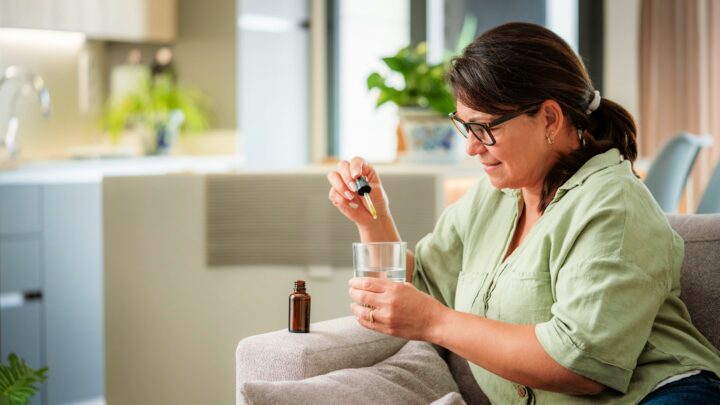
Then came the remedy: “arsenic drops.” I nervously followed his instructions for the diluted solution, under my tongue, daily. Against all odds, my skin was clear within a month. I still don’t fully understand how that little bottle worked, but I’m eternally grateful to Yves – the homeopath I’ve since lost touch with.
How Does Homeopathy Work?
Homeopathy isn’t new. It dates back well over 200 years to German physician Samuel Hahnemann, who rebelled against the brutal medical practices of his era in the late 1700s. Driven by science and botany, Hahnemann created a system based on the “Law of Similars”: the idea that substances causing symptoms in healthy people, if given in tiny doses, may help treat those same symptoms in the sick. He also believed in the body’s “vital force” – an invisible life energy that, when disrupted, leads to illness. Remedies are highly diluted plant, mineral, or animal substances, sometimes to the point where little or none of the original material remains – but are thought to retain the substance’s “energy” or “memory,” which purportedly triggers the body’s self-healing.
Homeopathy in Australia Today
Far from being a recent “fad,” homeopathy has roots in Australia dating back to 1830 and is now part of the country’s complementary medicine landscape. About 2.5 million Australians – roughly 5–6 percent of the population – use homeopathy as a complementary therapy each year. The market for homeopathic medicines reached nearly $24 million in 2024 and is expected to quadruple by 2033, driven by consumer demand for natural alternatives and holistic healing. Many Australians see homeopathy as gentle and safe, turning to it for allergies, skin conditions, sleep issues, migraines, and digestive disorders – even as scientific debates persist about its efficacy.
Homeopathy is perfectly legal in Australia, but homeopathic medicines are regulated differently from conventional drugs – considered low-risk and usually exempt from intensive therapeutic trials. Practitioners are registered with the Australian Register of Homoeopaths (ARoH), ensuring accepted professional standards. The government reminds patients that homeopathy should not replace mainstream treatment for serious health problems.
A Mind-Body Approach
If you try homeopathy, expect a process devoted to uncovering the bigger picture: body, mind, lifestyle. The journey itself often expands personal awareness, regardless of the outcome. Notable devotees reportedly include Paul McCartney, Sting, Gwyneth Paltrow, David Beckham, and members of the British royal family. Whether you see homeopathy as science, spirituality, or elegant placebo, its staying power in Australia and around the world speaks to our universal need for more meaningful, gentle, and holistic ways to heal.
If anyone knows Yves, the homeopath formerly of Rose Bay in Sydney, let me know. And if you’re considering alternatives for your own health, be open-minded, honest, and curious. You just might find the healing you’re searching for.
IMPORTANT LEGAL INFO This article is of a general nature and FYI only, because it doesn’t take into account your personal health requirements or existing medical conditions. That means it’s not personalised health advice and shouldn’t be relied upon as if it is. Before making a health-related decision, you should work out if the info is appropriate for your situation and get professional medical advice.





 Proudly Australian owned and operated