
The Six-Week Wellbeing Plan, Week Three: Why Movement Matters More Than Ever


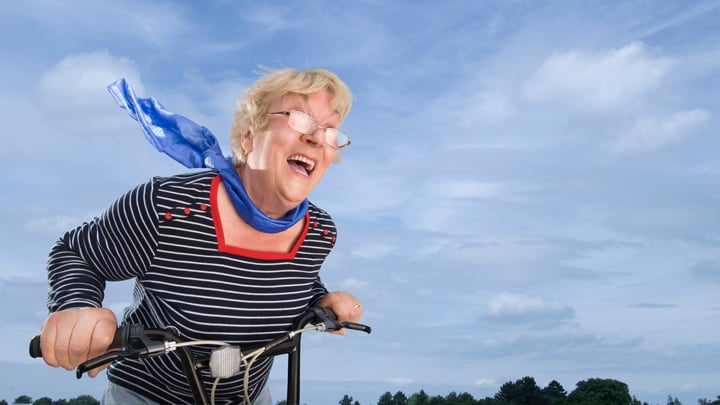
Welcome back to The Six-Week Wellbeing Plan. Last week we looked at how what’s on your plate shapes the way you think and age. This week, I want to talk about something I’ll admit I don’t always feel like doing myself: getting up and moving. I put off a walk more often than I’d like to admit, usually telling myself I’ll get to it later. But I always feel better once I have, and it turns out there’s genuinely solid science behind why.
The short-term payoff is real, and immediate
A single workout can improve your focus for up to two hours afterwards, and gives you an immediate lift in dopamine, the same “feel-good” chemical we talked about back in week one. That’s before you even get to the longer-term benefits.
And the longer-term case is compelling. Regular movement lowers blood pressure and cholesterol, reducing your risk of stroke and heart attack, and the encouraging part is that you don’t need to be particularly fit to begin with to see real benefits. Even modest amounts of regular activity make a genuine difference.
Exercise has also been shown to strengthen the very brain regions most vulnerable to ageing and Alzheimer’s disease. Think of your brain a bit like a muscle in this sense: the more you genuinely use it through movement, the more resilient it becomes, helping prevent or delay cognitive decline. It’s also a genuinely effective tool against depression, anxiety and chronic stress, all of which are linked to inflammation and poorer health more broadly.
A closer look at HIIT, and why it’s worth knowing about
There are endless ways to get moving, from a dance class to rock climbing to a simple power walk around the block, and all of them count. But I want to spend some time today on High Intensity Interval Training, or HIIT, because the research on it specifically for people our age has genuinely moved forward in the past couple of years, and I think it deserves a proper look.
HIIT involves short bursts of intense effort followed by a recovery period, and requires no special equipment at all. A recent study of more than 120 adults in their 70s, tracked over six months, found something genuinely striking: HIIT was the only form of exercise tested that helped participants lose body fat while actually preserving their muscle mass, something moderate and low-intensity workouts didn’t achieve to the same degree. Given how much muscle mass matters for staying independent as we age, that’s a significant finding.
Other recent research backs this up. A 2025 study published in Maturitas found that, compared with less intense exercise, HIIT helped adults over 65 reduce body fat percentage while preserving muscle. A separate Japanese study followed 696 middle-aged and older adults on a walking program that incorporated HIIT intervals, and found 70 per cent were still doing the workout nearly two years later, a genuinely good sign that this style of training is sustainable, not just effective.
It’s worth being sensible about it too. Newer, larger reviews suggest HIIT and standard moderate exercise produce broadly similar results across most health markers, with HIIT showing a particular edge for cardiovascular fitness specifically. If you have any underlying health conditions, or haven’t exercised in some time, it’s genuinely worth getting cleared by your doctor first, and easing in gently with longer recovery periods between efforts than a younger person might use.
How to give it a go
If you’d like to try it, here’s a simple structure to work with:
Warm up. Start with light movement, such as a brisk walk or gentle jog, for several minutes.
Choose your activity. Walking, cycling or stair climbing all work well, and require no equipment.
Find your interval pattern. Push a little harder than your usual pace for a minute or two, then spend an equal or longer amount of time recovering. These timings are a starting guide, not a rule – find a rhythm that genuinely suits you.
Repeat. Aim for several cycles of effort and recovery across a total session of 20 to 30 minutes.
Cool down. Slow your pace gradually and finish with some simple stretching.
And if HIIT isn’t for you, that’s genuinely fine
I don’t want to overstate this. If intense bursts of activity don’t appeal, or don’t suit your body right now, a regular power walk still brings substantial benefits on its own. The real goal, according to the research, isn’t a specific style of exercise – it’s simply moving your body regularly, in whatever form you’ll actually stick with.
Three tips to make it stick
Start gently, especially if it’s been a while, and check with your doctor first if you have any underlying health conditions.
Move in whatever way you genuinely enjoy. Around 30 minutes of aerobic activity, three to four times a week, is enough to make a real difference.
Bring a friend along. Setting a regular time to walk or exercise with someone else makes you considerably more likely to actually stick with it, and it tends to be more enjoyable too.
Next Saturday, we’ll turn to something just as important as movement itself: sleep, and how to genuinely improve the quality of yours. In the meantime, if HIIT still feels a bit beyond you today, a brisk walk around the block, or even a dance around the kitchen, counts for plenty. I’ll see you again next week.
IMPORTANT LEGAL INFO This article is of a general nature and FYI only, because it doesn’t take into account your personal health requirements or existing medical conditions. That means it’s not personalised health advice and shouldn’t be relied upon as if it is. Before making a health-related decision, you should work out if the info is appropriate for your situation and get professional medical advice.





 Proudly Australian owned and operated
Comments 0
Join the conversation. Comments are reviewed before they appear.
Be the first to comment.
Join the conversation
Tell us who you are to post a comment. We'll remember you next time.