
6 Simple Ways to Help Reduce Fluid Retention — And When Swelling Needs a Doctor’s Attention


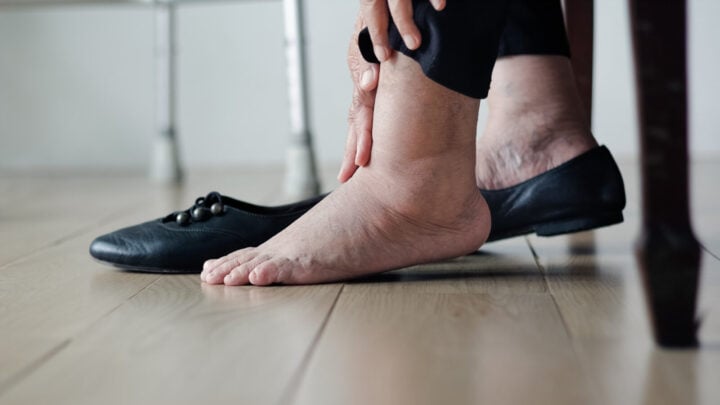
Fluid retention is when swelling and discomfort occur under the skin and around joints. It happens when there is a problem with the body’s mechanisms for regulating and maintaining fluid levels, and suddenly the body’s mechanisms for draining fluid are not as effective. Most people will usually experience fluid retention in their fingers, feet, ankles, and face.
The cardiovascular system, hormonal changes, liver, kidneys, and urinary system all play a role in the regulation of water levels in our body. Any disruption in these systems can have a negative effect on the body’s ability to get rid of water.
As there are many reasons why you can develop fluid retention, it’s important to realise that not all remedies will work all the time. Some of the tried-and-true options include:
- Reducing the sodium content of your diet. Diets high in sodium often lead to water retention.
- Increasing potassium in your diet. Electrolytes are not just about sodium, but potassium as well, and your sodium:potassium ratio needs to be balanced – more often than not, sodium is too high and potassium too low. Potassium not only helps offset sodium, but can also increase your urinary output, helping move fluid out of your body. Reducing processed and takeaway food will help lower sodium intake, while foods like avocado, pumpkin and spinach can naturally increase potassium.
- Increase your water intake. Believe it or not, not drinking enough water will actually cause your body to hold on to water rather than release it.
- Reduce the amount of stress in your daily life. This includes all forms of stress – over-exercising, not sleeping enough, and restricting your calories too much are just as much a stress on your body as working long hours. Chronically elevated cortisol levels can increase the sodium levels in your blood, which can then cause water retention in your tissue.
- Pay attention to any food sensitivities. Gluten and dairy are the most common offenders, followed by peanuts, eggs and soy. Continuing to eat foods you’re intolerant to creates high levels of inflammation, which drives cortisol levels up further.
- Ensure you have enough magnesium in your diet. This is particularly relevant for women, as it can help with PMS and menopause symptoms. Spirulina, pea shoots, sprouted grains and artichokes have some of the highest magnesium content among vegetable sources. Magnesium helps with the electrical conductivity of muscle fibres, among many other benefits, which further helps regulate sodium and potassium levels in the blood.
A common cause worth knowing about: medications
While diet plays a genuine role, one of the most common causes of fluid retention in people over 60 is often overlooked: medication. If you’re taking regular prescription medication and have noticed new or worsening swelling, it’s worth considering whether your medication could be a contributing factor, rather than assuming diet alone is to blame.
Some of the most frequently implicated medications include:
Calcium channel blockers (such as amlodipine and nifedipine), commonly prescribed for high blood pressure, are one of the most well-documented causes of swelling, particularly in the ankles and lower legs
NSAIDs (non-steroidal anti-inflammatory drugs), such as ibuprofen and naproxen, widely used for everyday pain relief
Corticosteroids, such as prednisone
Certain diabetes medications
Hormone therapies, including those containing oestrogen or testosterone
If swelling appeared or worsened shortly after starting a new medication, that timing is a genuinely important clue. Adjusting the dose or switching to an alternative medication often resolves the problem entirely – but never stop or change a prescribed medication yourself without speaking to your doctor first, as this can create other health risks.
When fluid retention needs urgent medical attention
This is the part worth paying closest attention to. While mild, gradual swelling is often manageable with the dietary approaches above, certain patterns of swelling can signal something more serious and shouldn’t be managed with diet alone. Seek prompt medical attention, or emergency care, if you experience:
Swelling in only one leg, especially if it’s painful, red, warm to the touch, or comes on suddenly – this can be a sign of a blood clot (deep vein thrombosis), which requires urgent assessment
Swelling accompanied by shortness of breath, chest pain, or dizziness – this combination can indicate a heart-related issue, including heart failure, and warrants emergency care
Rapid or significant swelling that develops over a short period, particularly alongside unexplained weight gain
Skin that appears stretched, shiny, or has started weeping fluid, which can indicate more severe, longstanding swelling requiring proper management
None of this is intended to cause alarm – most fluid retention is genuinely manageable and not a sign of anything serious. But knowing the difference between “worth trying a few dietary changes” and “worth calling your doctor today” is important, particularly as some of the more serious underlying causes of fluid retention become more common with age.
If mild fluid retention persists despite trying the dietary approaches above, alongside regular exercise, adequate sleep and a generally healthy diet, it’s worthwhile consulting your healthcare professional to rule out an underlying health condition or medication as the cause, even in the absence of any red-flag symptoms.
IMPORTANT LEGAL INFO: This article is of a general nature and FYI only, because it doesn’t take into account your personal health requirements or existing medical conditions. That means it’s not personalised health advice and shouldn’t be relied upon as if it is. Before making a health-related decision, you should work out if the info is appropriate for your situation and get professional medical advice.
IMPORTANT LEGAL INFO This article is of a general nature and FYI only, because it doesn’t take into account your personal health requirements or existing medical conditions. That means it’s not personalised health advice and shouldn’t be relied upon as if it is. Before making a health-related decision, you should work out if the info is appropriate for your situation and get professional medical advice.





 Proudly Australian owned and operated
Comments 0
Join the conversation. Comments are reviewed before they appear.
Be the first to comment.
Join the conversation
Tell us who you are to post a comment. We'll remember you next time.