
Why solo female travellers are falling in love with this little-known corner of Japan


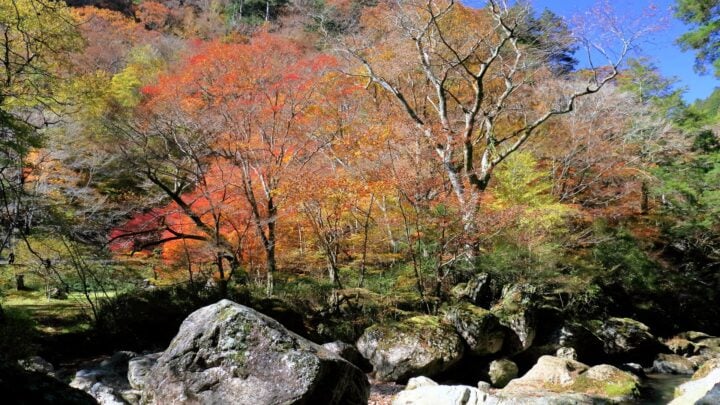
From cycling across islands and soaking in ancient hot springs to wandering historic towns without the crowds, Ehime is fast becoming one of Japan’s most appealing destinations for women travelling alone.
There is a very good reason Japan keeps drawing Australians back.
It is safe, fascinating, wonderfully organised and, once you step away from the big-name destinations, full of places that feel like they belong to another time.
One of those places is Ehime Prefecture, on the island of Shikoku.
And Australians are starting to discover it.
Australian visitor numbers to Ehime have jumped 76.7 per cent in the past 12 months, according to Japan National Tourism Organization statistics presented during its recent Australian roadshow.
That is a pretty impressive increase – and it is easy to see why.
Ehime offers a different sort of Japanese holiday. Rather than battling crowds in Tokyo or Kyoto, you can cycle beside the Seto Inland Sea, wander through beautifully preserved merchant towns, soak in a 3,000-year-old hot spring or simply sit down with a bowl of something delicious and watch the world go by.
For solo female travellers in particular, it ticks plenty of boxes: excellent public transport, compact cities, welcoming locals, plenty to see and do and the reassuring sense of safety for which Japan is renowned.
Perhaps most importantly, there is no need to rush.
Here are seven reasons Ehime deserves a place on your Japanese travel wish list.
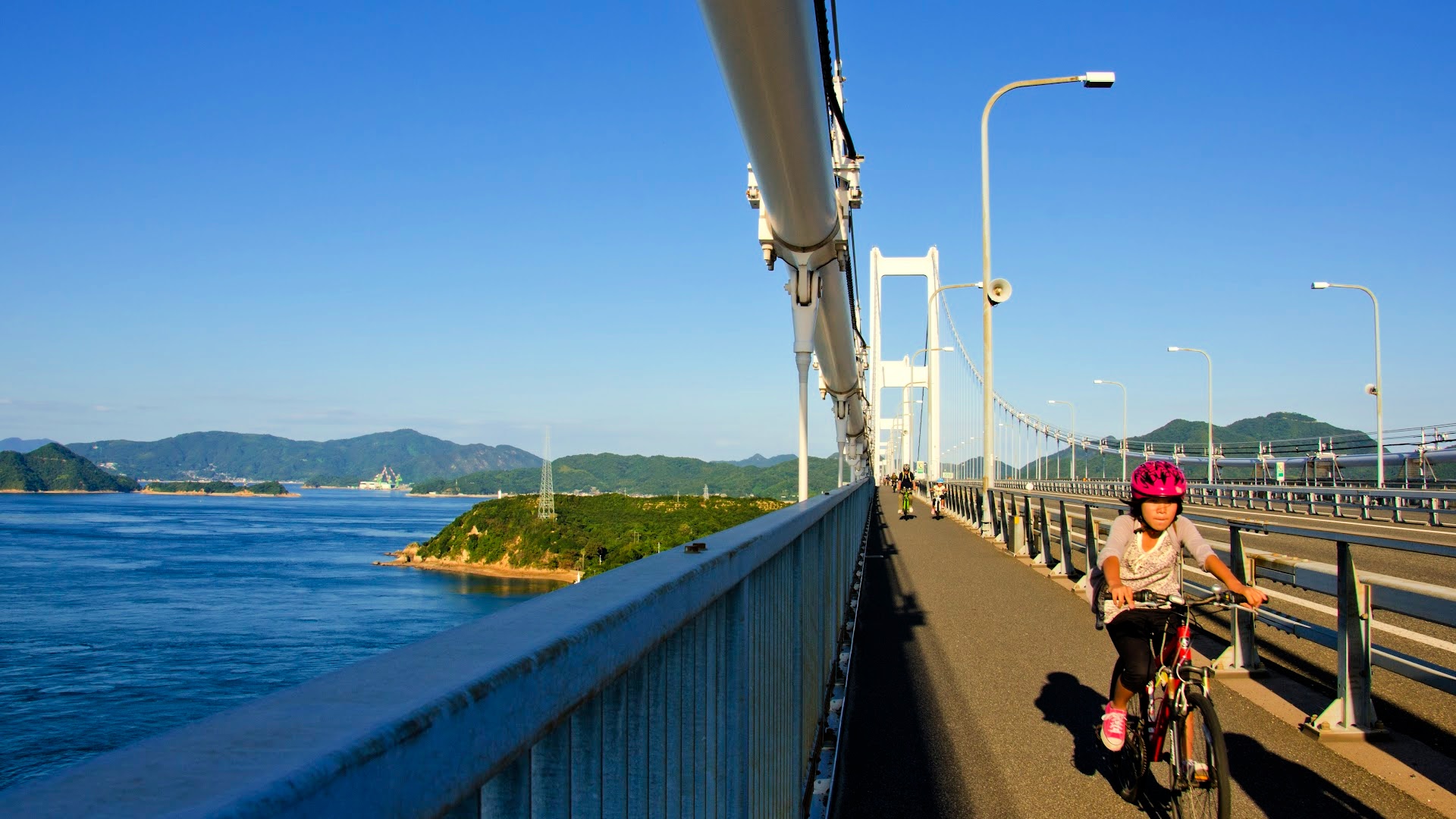
1. Cycle the spectacular Shimanami Kaido
If you like the idea of seeing Japan on two wheels, this is one for the bucket list.
The Shimanami Kaido stretches for about 70 kilometres across six islands, connected by spectacular bridges spanning the Seto Inland Sea.
You don’t need to be an elite cyclist. The route has well-maintained cycling paths, regular rest stops and bicycle rental facilities, allowing you to tackle as much – or as little – as you like.
And the scenery is the real star.
Think blue water, tiny islands, fishing villages and mountains rising in the distance.
For a memorable overnight experience, WAKKA offers accommodation ranging from cabins to dome tents overlooking the Setouchi Inland Sea.
It’s the sort of experience where the journey really is the destination.
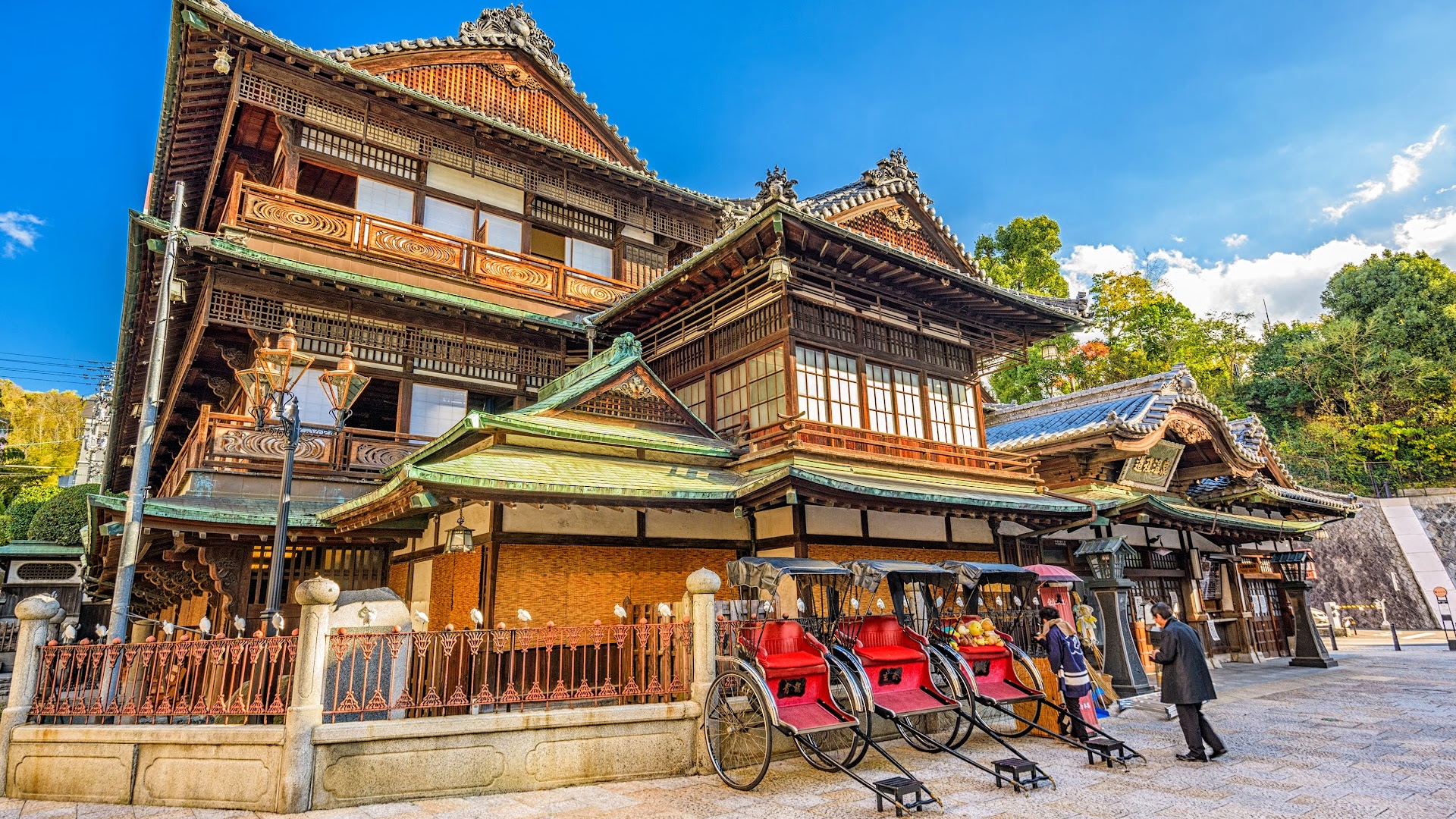
2. Soak away your cares at Dogo Onsen
There are hot springs and then there is Dogo Onsen.
One of Japan’s oldest hot spring destinations, Dogo Onsen is said to have welcomed bathers for more than 3,000 years.
The beautifully preserved bathhouses and surrounding streets provide a wonderful introduction to Japan’s bathing culture, while traditional ryokan offer the chance to stay in quintessential Japanese accommodation.
For a solo traveller, it is also blissfully uncomplicated.
Leave your shoes at the door, slip into the hot water and allow yourself to slow down.
Sometimes the best part of travelling alone is having nobody else deciding when it is time to leave.
3. Discover Matsuyama, where history meets haiku
Ehime’s capital, Matsuyama, manages to combine the convenience of a modern Japanese city with an extraordinary sense of history.
You can ride the charming Botchan Train, explore shopping arcades, visit magnificent Matsuyama Castle and enjoy spectacular views across the city.
And then there is the food.
Fresh seafood and local specialities are everywhere, making Matsuyama a particularly rewarding destination for travellers who enjoy eating their way through a region.
The city also has a literary side.
Matsuyama is known as Japan’s “Haiku Capital”, and was the birthplace of Masaoka Shiki, one of the great figures in modern haiku.
His influence can still be found throughout the city, with poetry boxes, stone inscriptions, a Haiku museum and even a dedicated Haiku bar.
You might arrive in Matsuyama looking for a castle and leave with a new appreciation for three-line poetry.
4. Walk part of the legendary Shikoku Henro pilgrimage
Sometimes travel isn’t about seeing more. It’s about finding a little space to think.
The Shikoku Henro pilgrimage, which links 88 temples around the island, offers exactly that opportunity.
Walking the entire route takes roughly 45 to 60 days, but you certainly don’t have to commit to that.
Near Matsuyama, Iwayaji Temple, the 45th temple on the pilgrimage, offers visitors the chance to experience a taste of the journey.
It is a beautiful setting for walking, meditation and reconnecting with yourself.
The pilgrimage is also famous for the hospitality shown to travellers along the route – another reminder that some of the most memorable parts of travel are the people you meet along the way.
5. Discover the art of the perfect towel in Imabari
I’ll admit, I didn’t have “learn about Japanese towels” particularly high on my travel wish list.
But Imabari might just change that.
The city is famous around the world for producing some of Japan’s finest towels, and the Towel Museum offers an entertaining insight into the craftsmanship behind them.
There are boutique shops to explore, seafood to sample and waterfront scenery to enjoy.
Imabari is also the gateway to the Shimanami Kaido, making it an easy addition to a cycling adventure.
And yes, you may find yourself buying a towel to take home.
Trust me – apparently there are worse souvenirs.
6. Step back in time in Ozu
If your idea of Japan involves atmospheric streets, old wooden buildings and the feeling that you have somehow wandered onto a movie set, head for Ozu.
Often described as one of Japan’s hidden gems, Ozu has beautifully restored merchant buildings, a historic castle and a gorgeous riverside setting.
The town rewards slow exploration.
There are no frantic lists of attractions to tick off. Instead, you can wander, browse, stop for coffee and simply absorb the atmosphere.
For solo travellers, that freedom is part of the appeal.
Ozu feels like a place where you can put your phone away for an hour or two and just see where the road takes you.
7. Wander the timeless streets of Uchiko
And then there is Uchiko, another destination that seems to have escaped the rush of modern Japan.
Its elegant streets are lined with white-walled merchant houses, many dating from Japan’s Edo and Meiji periods.
Uchiko was once an important centre for traditional wax production, and its heritage can still be seen in its architecture, artisan workshops and local businesses.
It is a wonderful place to wander without a plan.
Browse a small shop. Talk to a local artisan. Stop for lunch. Take a photograph of a beautifully preserved building.
This is the Japan that many travellers are searching for – authentic, unhurried and wonderfully different from the country’s famous tourist centres.
So, is Ehime worth the trip?
Absolutely.
Japan’s big destinations will always deserve their popularity. Tokyo, Kyoto, Osaka and Hiroshima are famous for good reason.
But there is something particularly appealing about discovering somewhere before everyone else gets there.
Ehime offers the chance to experience a gentler side of Japan – one built around hot springs, cycling, food, history, spirituality and encounters with local people.
For women travelling alone, it offers another valuable commodity: freedom.
The freedom to set your own pace.
To spend an afternoon soaking in a hot spring.
To cycle until you find the perfect view.
To sit in a tiny café and order something you can’t pronounce.
Or simply to change your plans because you feel like it.
And with Australian visitation already climbing rapidly, it seems Ehime’s secret may not remain a secret for much longer.
To chat about visiting the area, contact the team at Travel at 60





 Proudly Australian owned and operated
Comments 1
Join the conversation. Comments are reviewed before they appear.
Sounds amazing
Join the conversation
Tell us who you are to post a comment. We'll remember you next time.