
The perks and pitfalls of a trans-Pacific cruise


For travellers with time on their hands and a taste for the journey as much as the destination, repositioning cruises across the Pacific are an increasingly visible option. Each year, several major cruise lines relocate ships between hemispheres to follow peak seasons, with ships spending summer in Australia then crossing to cater to summer in Alaska.
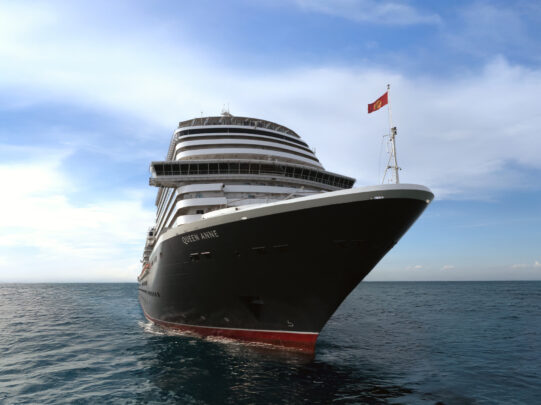
But these long, one-way voyages from Australia to ports in United States often come at prices well below standard cruises, such as Travel at 60’s special cruise from Sydney to Los Angeles onboard Cunard’s newest ship, Queen Anne, which departs in March and has some great fares available.
For a trans-Pacific voyage, the appeal begins with value. Because the primary purpose of a repositioning cruise is to move the ship rather than fill every cabin, fares are typically discounted. Industry analysts say passengers can pay significantly less per day than on round-trip itineraries, even while enjoying the same onboard amenities – multiple dining venues, theatres, pools and entertainment programs.
Another attraction is time at sea. With fewer port calls, passengers spend long stretches crossing the Pacific Ocean, a rarity in an era of port-heavy itineraries. For some, this slower pace is the point. It’s about settling into a rhythm, unpacking once and letting the days unfold.
Many of these voyages also visit ports beyond the reach of regular round-trip cruises departing from Brisbane, Sydney, Melbourne or Auckland. Think Samoa, Tonga, the Cook Islands, Tahiti and others that flirt with the International Date Line.
Cruise lines also tend to schedule special enrichment activities on longer voyages, including guest lecturers, extended fitness programs and themed events, catering to travellers who want more than a quick holiday. The demographic onboard these voyages also often skews older, absent of younger, short-term holidaymakers and creating a quieter onboard atmosphere that many passengers prefer.
However, the same features that draw some travellers can deter others. For one, the length of the voyage – typically three to four weeks – makes repositioning cruises impractical for those with limited leave. Weather can also be unpredictable, particularly in shoulder seasons, and rough seas are a real possibility at times during extended ocean crossings.
There is also the question of logistics. Repositioning cruises are one-way, meaning passengers must arrange flights home from where they disembark, sometimes at short notice or high cost. Travel insurance, visas and health considerations also become more complex on longer journeys, especially for those with pre-existing medical conditions.
Onboard life, while comfortable, may feel repetitive. With days spent at sea, passengers rely heavily on shipboard entertainment, and those who crave frequent shore excursions can find the itinerary monotonous. There may also be periods where some speciality restaurants or facilities available on shorter voyages may be closed for maintenance or simply because stock replenishment opportunities are not as readily available.
Despite these drawbacks, demand for Pacific repositioning cruises remains steady. Travel agents report strong interest from retirees and remote workers who see the voyage as both transport and accommodation – a floating transition between continents.
As cruise lines continue to reposition fleets globally, the trans-Pacific journey from Sydney to America remains a niche but enduring option. It’s a bargain for the unhurried, a test of patience for others, and for some, a great way to while away some time in the middle of nowhere.





 Proudly Australian owned and operated
Comments 0
Join the conversation. Comments are reviewed before they appear.
Be the first to comment.
Join the conversation
Tell us who you are to post a comment. We'll remember you next time.