
The older you get, the more an emergency fund stops being optional


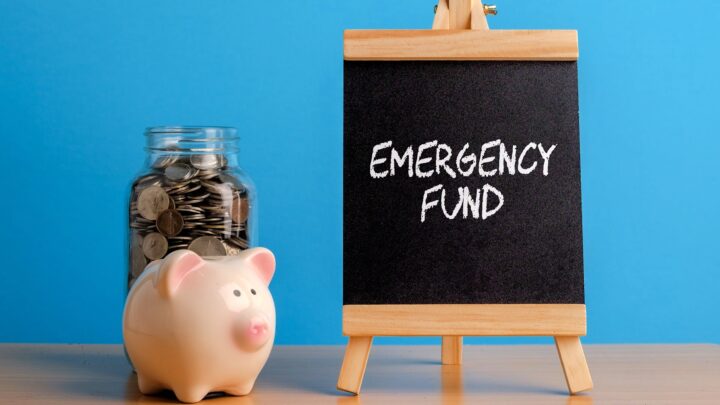
At some point in life, surprises stop being exciting.
A flat battery, a cracked windscreen, a leaking roof or an unexpected medical bill might once have been an inconvenience. Later in life, they can quickly become a source of real anxiety – particularly if your income is fixed.
That’s where an emergency fund earns its keep.
It’s not about pessimism or expecting the worst. It’s about acknowledging that things break, bodies age, and life doesn’t send a warning text before it demands your attention – or your money.
Why emergency savings matter more after 60
When you’re younger, a financial setback can often be absorbed. You might work extra hours, change jobs or tighten the belt for a few months.
As you get older, those options narrow. Retirement or semi-retirement brings stability, but it also brings less flexibility. There’s no pay rise coming to bail you out, and borrowing later in life is rarely cheap or stress-free.
An emergency fund acts as a buffer between you and financial panic. It gives you time to think, rather than forcing rushed decisions.
And that calm is worth more than the dollars themselves.
How big should your safety buffer be?
Most financial professionals agree on a simple guide: enough to cover three to six months of essential living costs.
Essentials mean exactly that – housing, utilities, food, insurance, medical expenses and transport. Not holidays. Not gifts. Not hobbies.
If you’re fully retired, having closer to six months set aside makes sense. Without a regular wage, your savings become your shock absorbers.
A practical way to work this out is to look backwards. Review a year of bank statements, identify your core expenses, and calculate an average monthly figure. Multiply it, and you have a realistic target.
Building a fund without feeling the pain
If your savings fall well short of that number, you’re not alone. And you don’t need to fix it all at once.
The most effective savings plans are the boring ones.
Make saving automatic
Set up a regular transfer into a separate account – even a small amount. When saving happens quietly in the background, it’s far more likely to stick.
Better still, name the account. “Emergency Fund” has more power than “Savings 2”.
Put your money somewhere sensible
Your emergency money should be easy to access, but it shouldn’t be gathering dust. High-interest savings accounts offer a better return without locking your money away.
Just make sure the institution is reputable and the account is protected.
Reduce what quietly drains your budget
Subscriptions, memberships and services we no longer use have a habit of hiding in plain sight. Cancelling just a few can free up meaningful cash each year – without affecting your lifestyle.
Revisit insurance regularly
Insurance is a necessity, but overpaying isn’t. Reviewing policies and shopping around can uncover savings that are better used strengthening your safety net.
Plan for the “predictable surprises”
Some expenses aren’t emergencies at all – they’re just irregular. Home maintenance, car repairs, medical costs and helping family tend to recur.
Setting aside small amounts specifically for these costs reduces the strain on your main emergency fund and makes budgeting less stressful.
Turn unused items into breathing room
Many households are sitting on value they no longer need. Selling unwanted items won’t change your life, but it can give your savings a useful nudge in the right direction.
It’s far easier to sell calmly than when money is tight.
Redirect money you’re already used to living without
When a loan ends, don’t let that money drift back into everyday spending. Redirect it into savings.
If you lived without it yesterday, you can live without it tomorrow.
Peace of mind is the real return
An emergency fund won’t prevent life from happening.
But it will give you options. It will buy you time. And it will stop everyday problems from becoming sleepless-night disasters.
At this stage of life, that sense of control is worth far more than chasing returns – and it’s something everyone deserves.





 Proudly Australian owned and operated
Comments 0
Join the conversation. Comments are reviewed before they appear.
Be the first to comment.
Join the conversation
Tell us who you are to post a comment. We'll remember you next time.