
Tea, Titles & Tiaras: Explosive Diana memoir puts Charles Spencer at war with the Palace


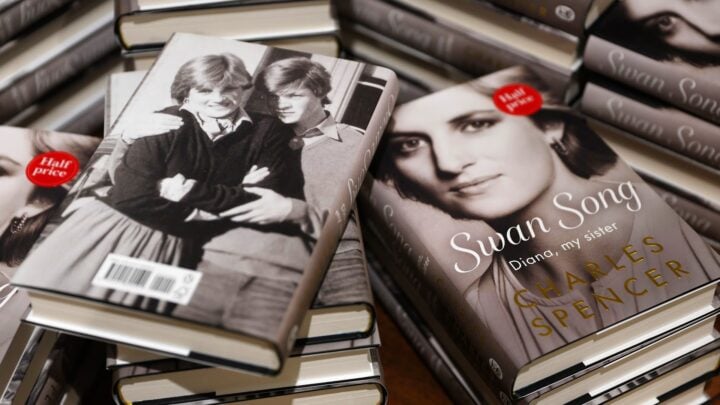
This is the week I’ve been waiting for since Swan Song: Diana, My Sister was announced back in July. My copy arrived on publication day and I wasted no time getting stuck into it. There’s an enormous amount to unpack, so we’ll leave the other royal news aside for now. Put the kettle on — it’s time to dive into the book everyone is talking about.
Swan Song: Diana, My Sister — A Review
Let me start with something personal, because I think it’s relevant.
I grew up in a large family, in a large house, and like Charles Spencer I am the child of a divorce.
But this is where our perspectives differ: I am the eldest sibling, while Spencer is the youngest of the four Spencer children. I remember parts of our childhood that my younger sisters simply don’t, including details about our house, our lives and the sequence of events around our parents’ separation.
Spencer was only three when his parents separated, while Diana was six, so their memories of the same family rupture were always going to be shaped by their different ages and positions within the family.
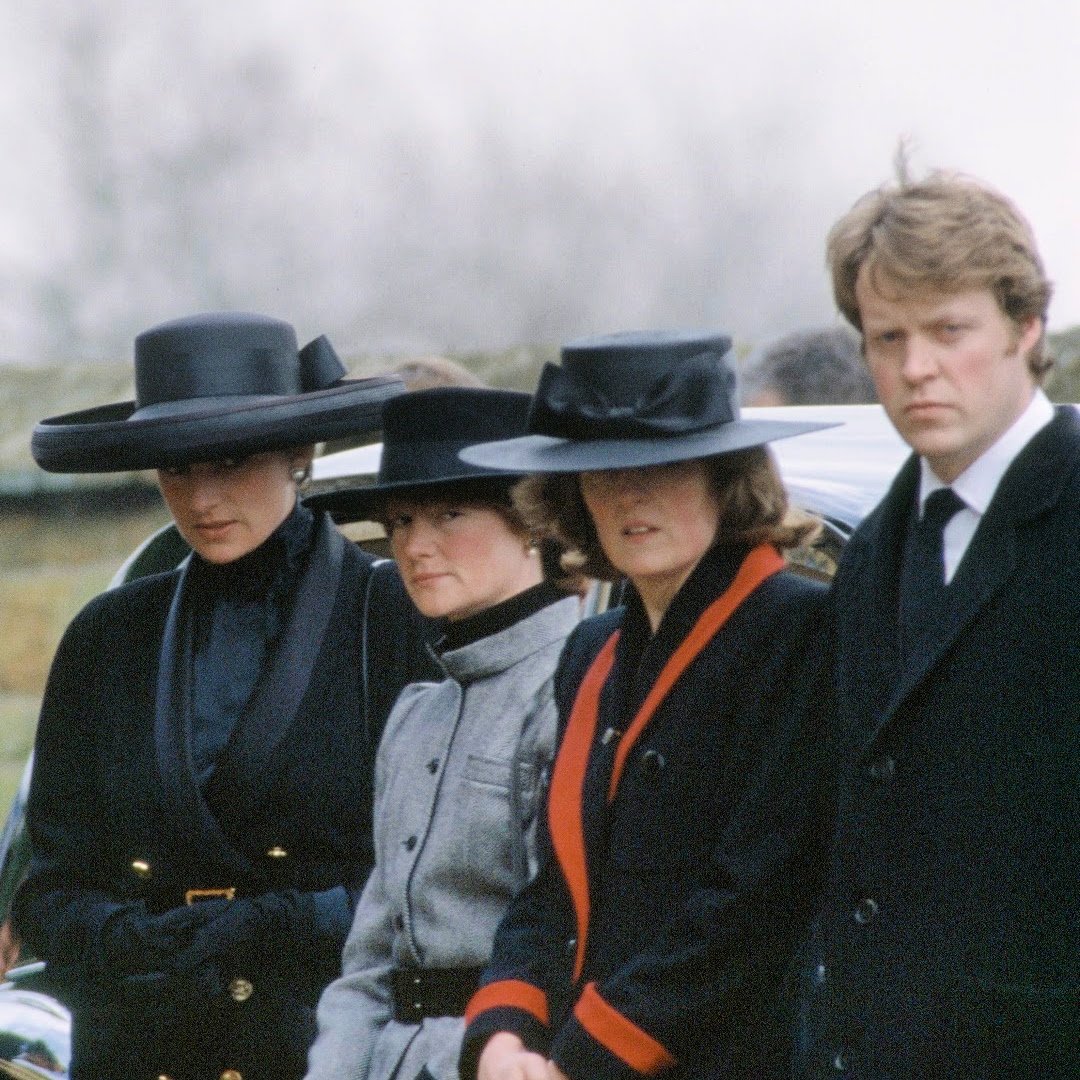
But even allowing for all of that, the level of specificity with which Charles Spencer recalls the family’s different homes in the opening pages of this book is extraordinary. He moves through Park House, Althorp and their earlier family life, describing furniture placement, interior decoration, the emotional interior states of a child Diana and the exact register of conversations that happened in the 1960s and 70s.
I know my sisters incredibly well. I would not be able to reconstruct their childhoods at that level of granular detail, particularly events that happened when I was very young. Whether you find this impressive or slightly implausible will probably shape how you read the rest of the book.
Spencer does, to his credit, acknowledge that Diana’s version of their childhood looked quite different from his own happier memories. It’s an important admission, and to be honest there could have been more moments like this throughout.
There is also, and I am not sure what to do with this, Spencer’s rather strange allegation about Prince Philip and the artist Edward Seago. In the book, Spencer characterises the late Duke of Edinburgh as an “art thief”, claiming he “pinched” paintings directly from Seago without paying for them, and also describes Philip as a bully. These are Spencer’s allegations, made about a man who died in 2021 and cannot respond, and they are among the moments when the book’s score-settling tone is at its sharpest.
Now, on to why you are actually here.
“Rest assured. We’ll forget her soon enough.”
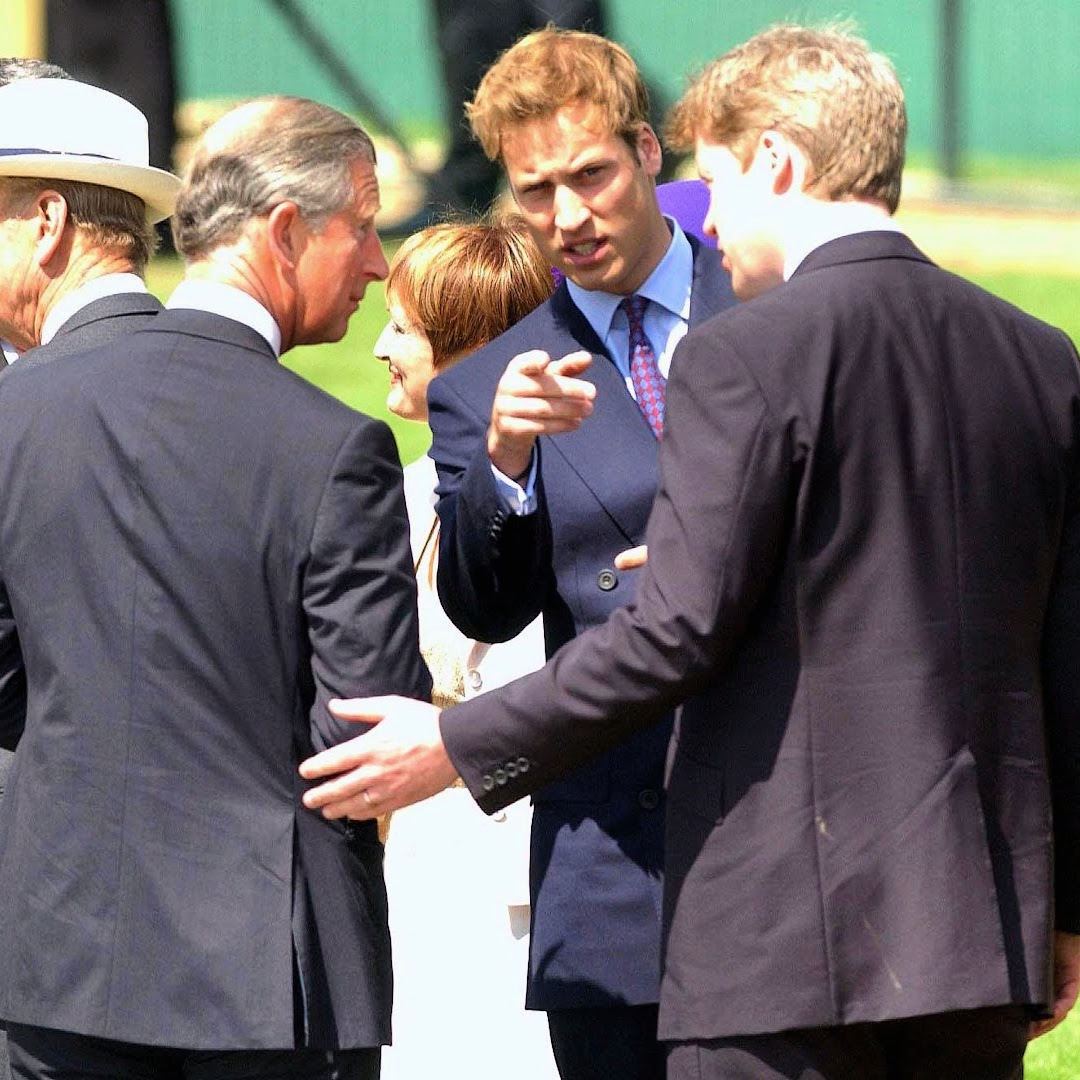
This is the claim that has dominated every headline since the serialisation began in the Daily Mail. Spencer alleges that in the days after Diana’s death in 1997, while the two men were on the phone arguing about whether William and Harry should walk behind their mother’s coffin at the funeral, the then-Prince of Wales, already angry, already in what Spencer describes as “a stream” of rage paused, and then allegedly said: “Rest assured. We’ll forget her soon enough.”
Spencer claims Charles sounded “giddily elated” in an earlier call and speculates – and here I want to be precise about the word speculate, because Spencer uses it himself – that this may have been because Charles realised he was now free to marry Camilla. When asked directly by Laura Kuenssberg on the BBC whether he could be certain that was what Charles was thinking, Spencer replied: “I cannot be sure. I’m saying that’s what I assume from his tone was a possibility.”
The palace responded with a statement that would have made the late Queen proud, noting that “the pain of fraternal grief can cloud reason, affect judgment and colour memory in ways others do not recognise, even many years after such a loss.”
Spencer’s response to being rebuffed in this way was: “It is not every day you wake up to find you’ve been gaslit by the King.” He called the palace statement “astonishingly provocative and below the belt,” before adding – in a touch I enjoyed – that it was “a rather poor imitation of the ‘recollections may vary’ quote, which was a much more elegant way of putting things.”
He is not wrong that it is less elegant. He is also, it must be said, a man who has written a book making claims that cannot be independently verified and then expressed outrage at being gently disputed.
The Mohamed Al Fayed claim
One of the most viscerally upsetting passages in the book, for those who have followed the allegations made against Al Fayed by scores of women, is Spencer’s claim that Diana told him Mohamed Al Fayed had, early in her romance with Dodi, come up behind her and groped her. Spencer quotes Diana describing it “with revulsion.” He writes that he believes Diana was targeted by Al Fayed.
This is territory that will generate enormous discussion and scrutiny, and this column is not the place to adjudicate it. What I would say is that the claim has resonance after more than 100 women contacted the BBC with allegations against the former Harrods owner, including allegations of sexual assault and rape, following his death in 2023. Whether Spencer’s account of Diana’s experience adds to that picture is for historians and investigators to assess.
Philip, the funeral procession, and the boys
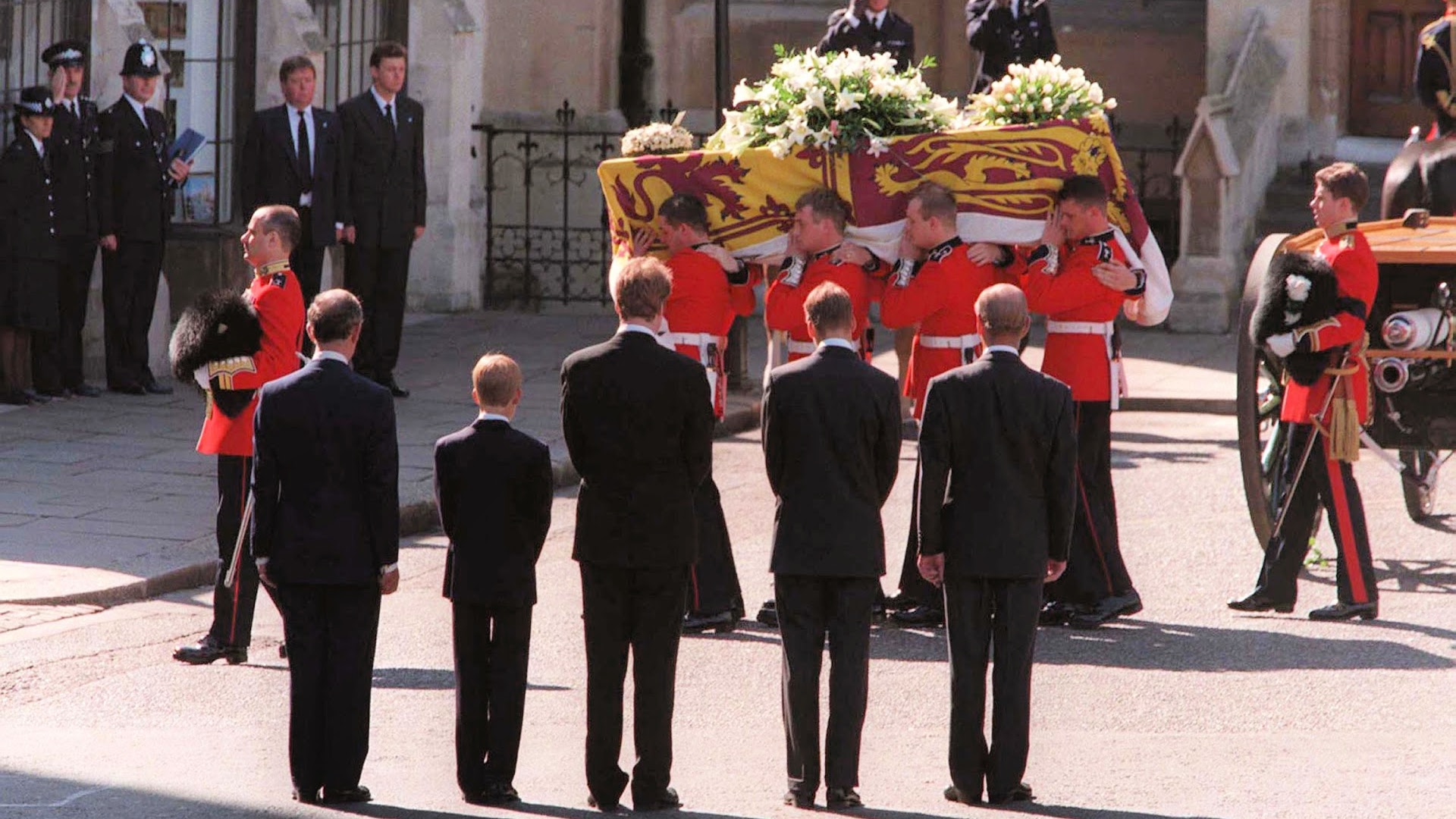
Spencer claims he was misled by royal officials about whether William and Harry wanted to walk behind their mother’s coffin. He says he was told they did. He believes they did not. According to his account, it was Prince Philip who ultimately broke the impasse by offering to walk with William. The boys walked. Spencer describes it as “the most horrifying half hour of my life” and notes he believed it was a million times worse for the boys.
The ADHD claim
In one of the book’s more unexpected passages, Spencer says he believes Diana had undiagnosed ADHD, arguing that it explains aspects of her personality and behaviour that were often characterised as erratic or unstable.
He frames this sympathetically, as a way of understanding, rather than diminishing, who she was. There is no public evidence Diana received such a diagnosis, and a retrospective diagnosis of someone who has died cannot be established from a sibling’s recollections alone.
A few more claims that will garnish less headlines
Some of the book’s less sensational claims may prove just as significant.
Spencer writes that Diana had considered calling off her wedding because she doubted Charles loved her, and that she later experienced suicidal thoughts. He also claims Queen Elizabeth offered to restore Diana’s HRH style after her death, but that he rejected the offer as it was too late. These accounts cannot all be independently verified, but they add to Spencer’s portrait of a woman who entered royal life with doubts, struggled profoundly within it and, in his telling, was offered recognition only when it could no longer help her.
Spencer also questions what happened to Harry after the funeral, arguing that the 12-year-old needed far more care than he received. It is one of the stronger threads in the book because it moves beyond the dispute over who said what and towards the lasting consequences for the two boys at the centre of it all.
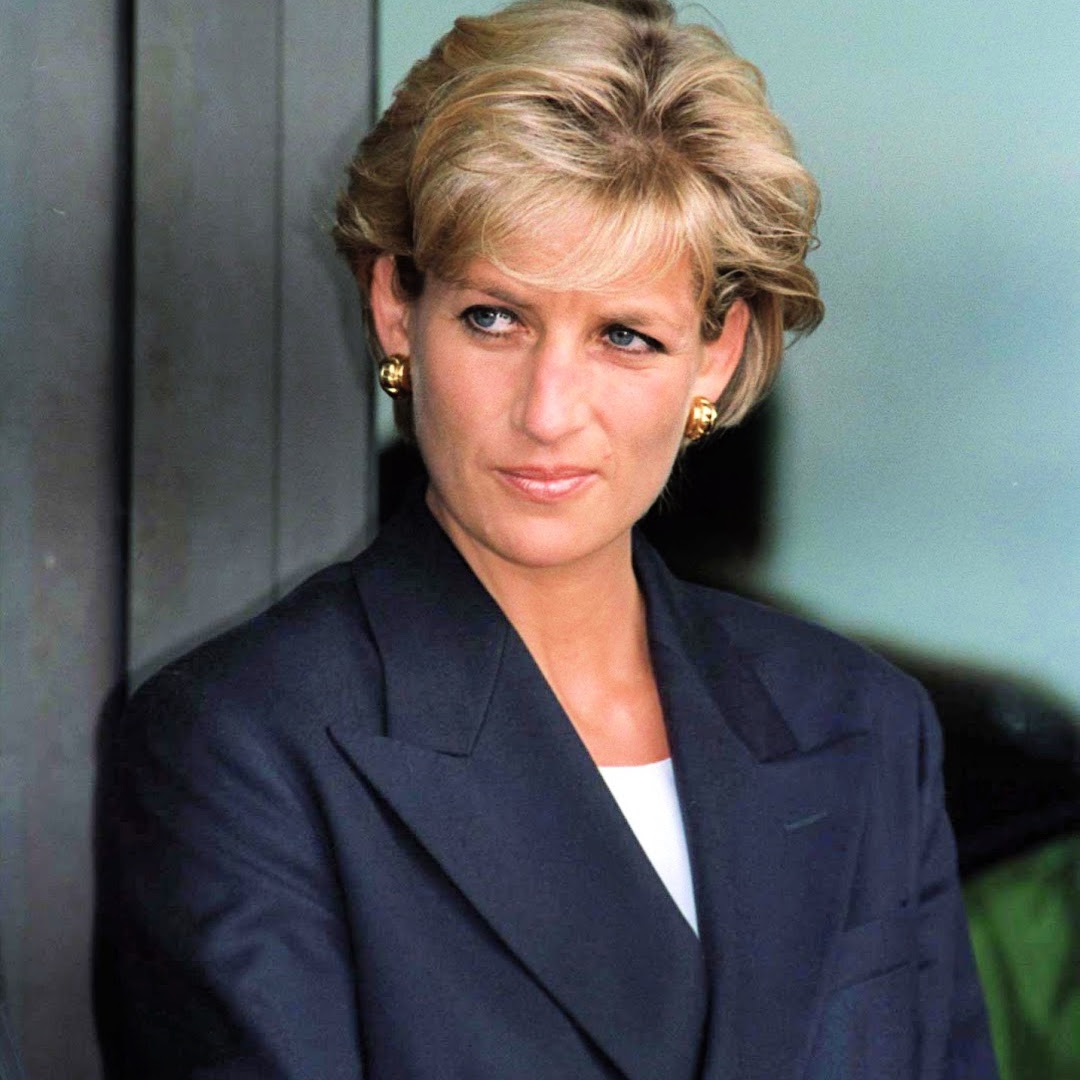
Where I land on all of this
I am a royal devotee.
I have read every Andrew Morton book. I can recite Spencer’s eulogy from Diana’s funeral close to word for word. I loved Diana, remember vividly the morning she died, still have my Sunday Times liftout collection in a box somewhere. I was very much looking forward to this book.
But I want to be honest with you: the book did not need the level of architectural and emotional detail it contains about Park House, Althorp and the other homes of Spencer’s childhood. Some of the claims about members of the Royal Family feel included for their shock value rather than for what they tell us about Diana. And some of the book’s central assertions are presented with great certainty even when Spencer acknowledges that he cannot know precisely what another person was thinking.
Spencer says he was prompted by a nephew to participate in projects marking the 30th anniversary of Diana’s death, and that facing his own mortality led him to want to tell his story now. Readers will make up their own minds about why Spencer has chosen this moment. After decades of books, documentaries, television dramas and competing accounts of Diana’s life, this is his opportunity to put his version firmly on the record.
As the late Queen herself said in a different context: recollections may vary.
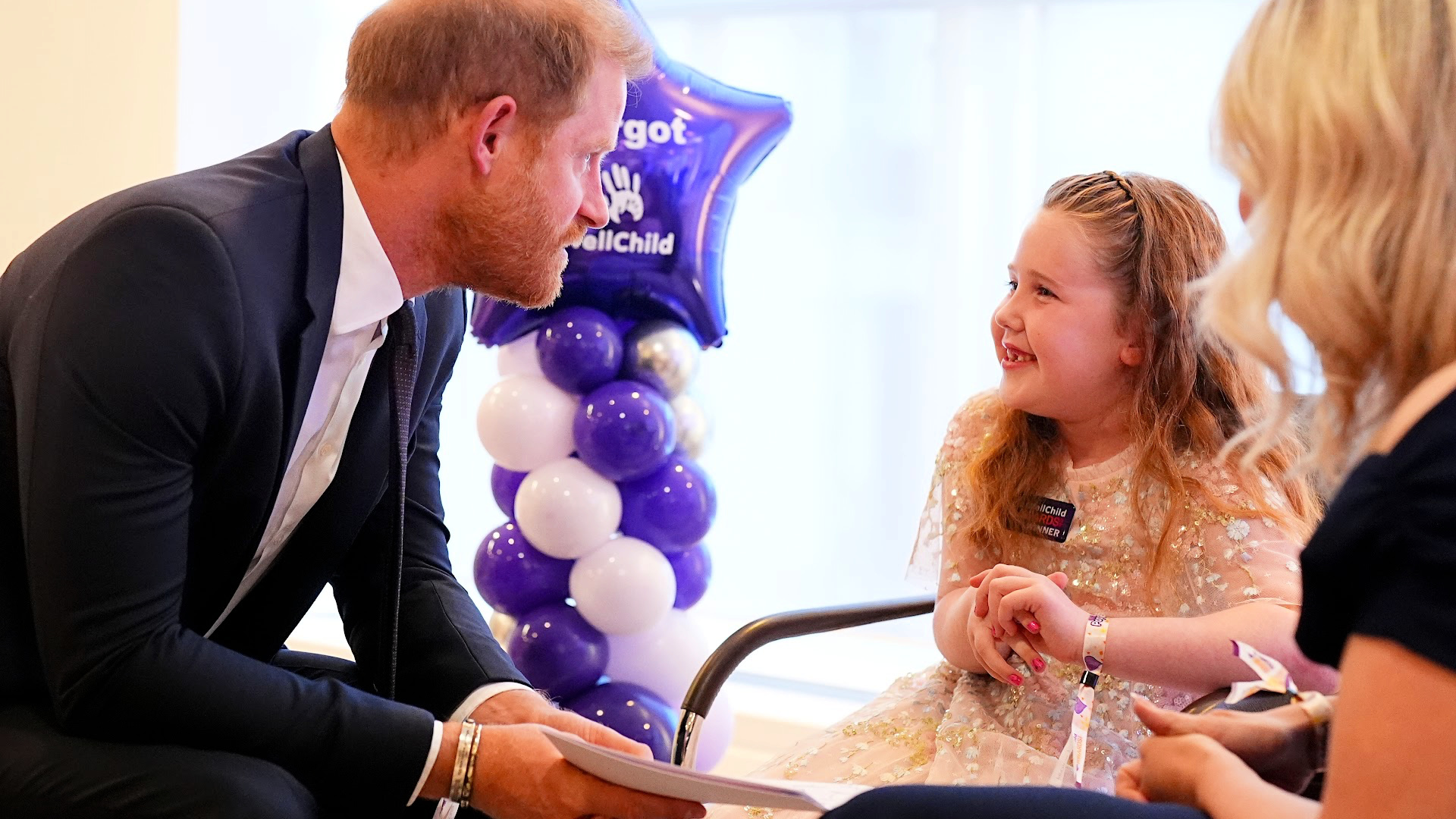
Harry at the WellChild Awards
In other royal news this week: Harry attended the WellChild Awards in London on Monday, his third public engagement since moving back to the UK.
WellChild is the national charity for seriously ill children and their families, and Harry has been its patron since 2007.
The awards celebrate the courage of seriously ill children and the people who care for them. He was visibly moved throughout, as he often is at this event, and his long association with the charity remains one of the clearest examples of how good it would be if Harry was still a working member of the British Royal Family.
Meghan spotted for the first time back in the UK
Meghan Markle was photographed in public in the UK for the first time since the family’s return, spotted at the Three Horseshoes pub near Burford in the Cotswolds with Ellen DeGeneres and Portia de Rossi.
The friends all lived near one another in California before returning to Britain. The photograph shows Meghan dressed casually and chatting with the group, and the reaction from royal fans has ranged from warmth to the predictable other thing.
What it confirms is that Meghan is back and going about her life, and it is unlikely to be the last photograph we see of her.

Sophie, Zambia, and the Missing Luggage
Sophie, Duchess of Edinburgh, has completed a five-day visit to Zambia, where her engagements focused on areas including women’s empowerment, eye health and wildlife conservation.
She arrived without her luggage after her bags were delayed in transit and attended her first engagement in what she jokingly called her “aeroplane clothes”.
Given that Sophie’s travel clothes are considerably chicer than most people’s official outfits, it was not the disaster it might have been. Her luggage later caught up with her and Sophie appeared entirely unbothered. This is, when you think about it, the ideal energy for a person who once attended a royal engagement in a ski suit during a heatwave.
Until next week: keep the tea piping hot and the tiaras polished.





 Proudly Australian owned and operated
Comments 1
Join the conversation. Comments are reviewed before they appear.
I saw the journalist Richard Kay being interviewed. He was a long time friend of Diana’s. He confirmed many of the points raised in Charles Spencer’s book. He also attested to Spencer’s habit (as a journalist/author .. six books I believe) of making copious notes of conservations/phone calls. What bothers me is how many ppl have alleged the book cannot be true because Harley’s Spencer has been married 4 times. To my mind one needs to step back and consider the wider picture. One also needs to consider that King Charles, as the Prince of Wales has had some ‘dodgy’ information shared. For what it’s worth I think that KC may have said ‘we’ll forget soon enough’ but possibly with a different slant. They were trying to arrange the funeral. Possibly P of Wales was wanting to make it be memorable and to honour Diana. He wanted the boys to walk to make it memorable because “we will forget her soon enough “ … just sayin’ …
Join the conversation
Tell us who you are to post a comment. We'll remember you next time.