
Royal whispers and Windsor watch: Commonwealth ceremony, revoked honours and a Sussex nickname that raised eyebrows


Tea, Titles & Tiaras with Emily Darlow
There are weeks when the royal calendar ticks along politely with ribbon cuttings and carefully choreographed walkabouts, and then there are weeks where the subtext becomes just as interesting as the events themselves. This week delivered one of the monarchy’s most traditional fixtures, the annual Commonwealth Day service at Westminster Abbey, alongside a handful of smaller stories that, taken together, reveal the delicate balancing act currently underway inside the House of Windsor.
From broadcast decisions and brooch symbolism to honours being revoked and whispers of another Sussex visit to Australia; the royal narrative continues to evolve in ways that are sometimes subtle and sometimes impossible to ignore.
Let’s begin where most royal watchers started this week.
Commonwealth Day Service
Commonwealth Day is usually one of the most recognisable fixtures in the royal calendar. Every March, Westminster Abbey fills with diplomats, performers and representatives from the 56 Commonwealth nations while senior members of the Royal Family arrive in procession for a service celebrating the cultural and political ties linking countries across the globe.
Normally it is also a television event. The service has traditionally been broadcast live by the BBC, allowing viewers to watch the royal arrivals, the music echo through the Abbey and the carefully choreographed ceremony unfold in full.
For the first time in years the BBC did not broadcast the event live on television, opting instead for digital coverage and online highlights rather than the familiar afternoon broadcast slot. Official explanations suggested it was simply a programming decision, but the timing inevitably raised eyebrows. The monarchy has spent months navigating the ongoing fallout surrounding Andrew Mountbatten-Windsor, and the idea that a high-profile royal gathering might attract intense commentary was certainly not lost on observers. Whether the change was purely scheduling or something more strategic has not been confirmed, but the absence of the usual television coverage did not go unnoticed.
Inside Westminster Abbey, however, the pageantry looked exactly as expected.
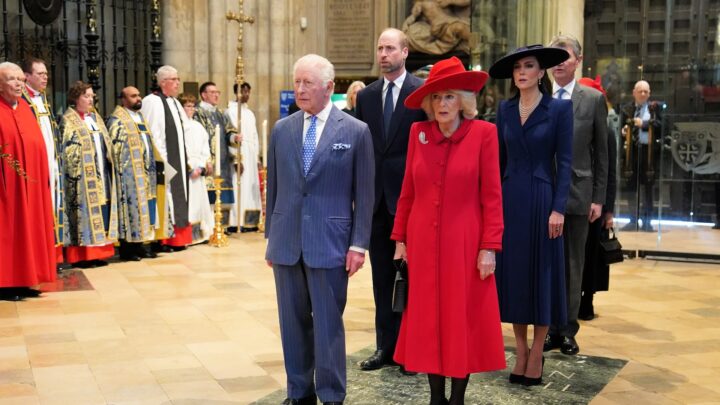
King Charles led the royal party, joined by Queen Camilla, the Prince and Princess of Wales, Princess Anne and the Duke and Duchess of Gloucester. The service carried the theme of unity across the Commonwealth, with readings and performances reflecting the cultures and communities that make up the organisation’s 56 member nations.
Fashion watchers were, of course, paying close attention as the royal party arrived. The Princess of Wales stepped out in a tailored cobalt blue coat dress by Catherine Walker paired with a coordinating hat by Gina Foster, a colour choice that stood out beautifully against the pale stone of Westminster Abbey. Queen Camilla, meanwhile, opted for a striking red ensemble and wore a brooch that once belonged to Queen Elizabeth II, a small but thoughtful tribute to the monarch who spent much of her reign championing the Commonwealth.
Observers also noted that the group attending the service appeared noticeably streamlined compared with previous decades. In earlier years the Abbey steps might have been crowded with a wider selection of royal relatives, but King Charles has made it clear that the modern monarchy will operate with a smaller group of working royals carrying out official duties.
For Charles, the Commonwealth remains deeply personal. Long before becoming king he spent decades travelling across member nations and supporting programmes focused on environmental protection, education and youth leadership. The annual service therefore serves not only as ceremony but also as a reminder of the network he has been involved in for much of his public life.
Broadcast or not, the event still delivered the familiar blend of tradition, diplomacy and carefully staged royal presence that has defined Commonwealth Day for generations.
King Charles Removes Honours
Elsewhere this week the King was involved in a far less celebratory decision.
Nine people have been stripped of their honours after a review by the Honours Forfeiture Committee concluded that their actions were incompatible with holding royal recognition. Once approved by the monarch, the decision formally removes titles such as MBE or OBE from the individuals involved.
Among those losing honours were several figures convicted of serious offences, including fraud and sexual crimes. One of the more notable cases involved former Cumbrian businessman John Allen, who had previously been awarded an MBE but lost the honour following convictions related to child abuse offences.
Another case involved individuals found guilty of major financial misconduct, reinforcing that the honours system carries expectations of behaviour long after the medal has been awarded.
It is not something that happens often, but when it does the consequences are clear. Once the honour is revoked, the letters that once appeared proudly after someone’s name disappear from official records and public listings.
The honours system may be steeped in tradition, but it still has mechanisms to ensure that recognition for public service does not remain attached to those whose actions later undermine it.
Harry and Meghan’s “Almost Royal” Tour
While the working royals were gathered at Westminster Abbey, plans were quietly taking shape on the other side of the world.
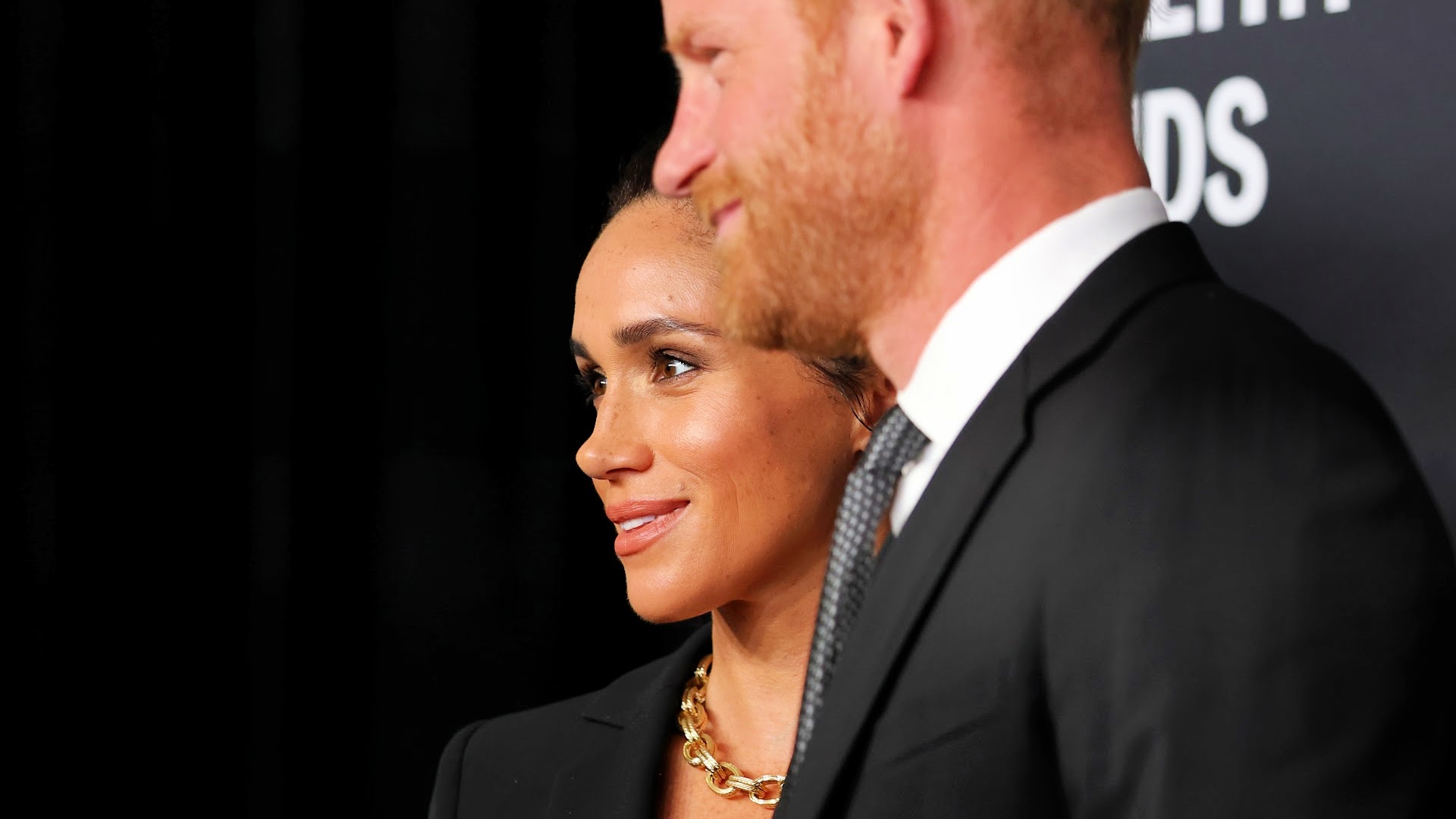
Prince Harry and Meghan are officially returning to Australia in April, with Sydney and Melbourne expected to feature on their itinerary. The visit will mark their first trip back since their hugely successful 2018 tour, when massive crowds turned out to see the newly married couple and the trip was widely considered one of the highlights of the younger generation’s royal engagements.
This time, however, the circumstances are very different.
Harry and Meghan are no longer working members of the Royal Family, which means they cannot conduct official royal tours on behalf of the Crown. What they can do is organise visits that look remarkably similar – travelling internationally, meeting charities, attending events and drawing crowds but without the formal backing of the monarchy.
It has led some commentators to describe the upcoming visit as something of a “pseudo-royal tour”: familiar in format but separate from the official royal schedule.
Australia remains one of the places where the Sussexes were once received with enormous enthusiasm, and their return is almost guaranteed to generate attention. Whether the visit ends up feeling nostalgic, controversial or simply celebrity-adjacent remains to be seen, but one thing is certain April is likely to bring a fresh round of headlines when the couple touch down again on Australian soil.
Princess Eugenie Steps Back
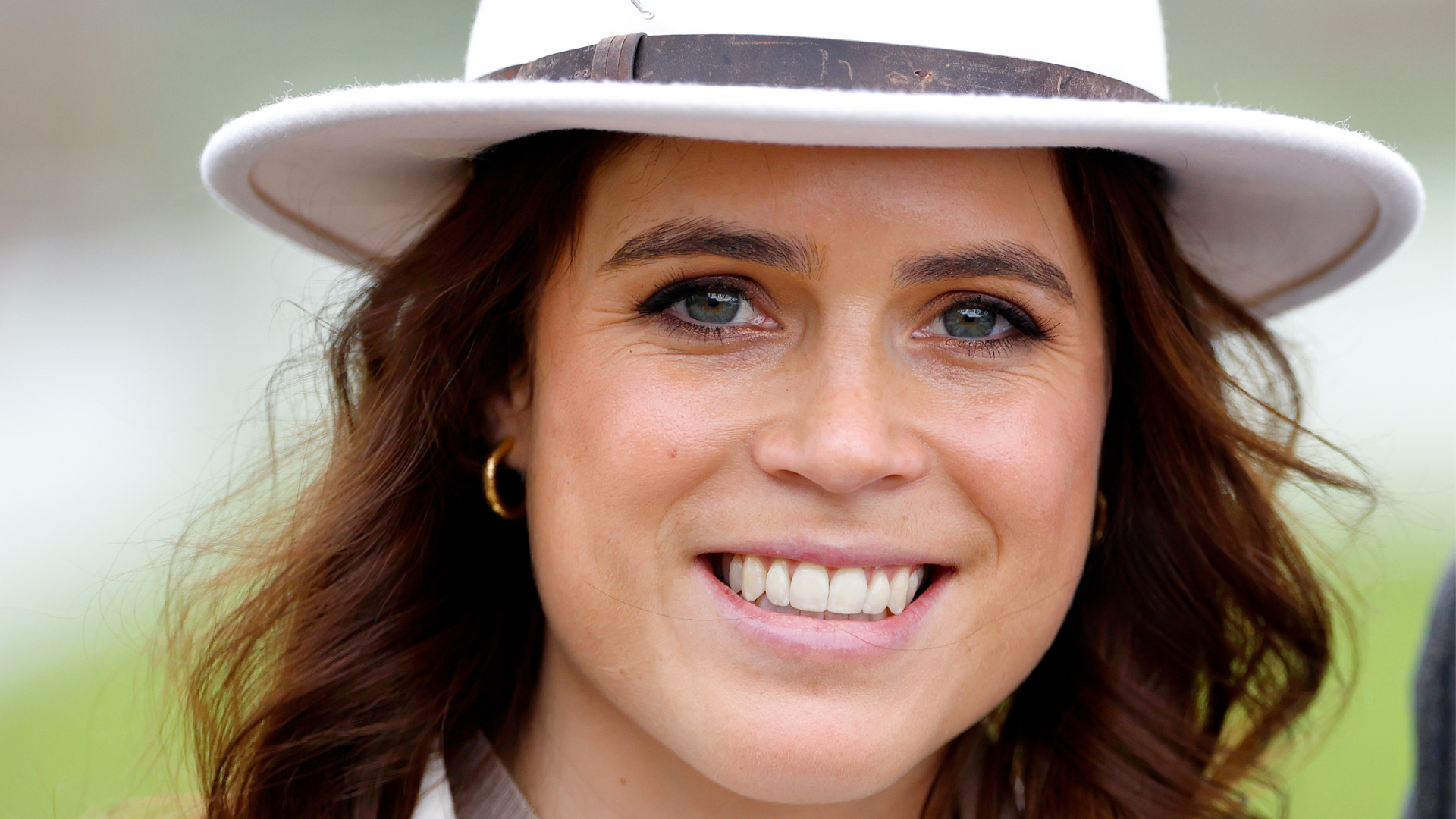
Princess Eugenie also made headlines this week after stepping down as patron of the Anti-Slavery Collective, the organisation she co-founded in 2017 to raise awareness of modern slavery and human trafficking.
The charity announced that Eugenie would be leaving her patron role after several years of involvement in the campaign. The organisation itself will continue its work under existing leadership.
Royal patronages often shift over time, particularly for family members balancing professional careers with charitable commitments. Eugenie has long been interested in causes connected to modern slavery, art and sustainability, so it is unlikely she will step away entirely from those issues.
Still, the move marks the end of a project that had become closely associated with her public identity.
And Finally…Papa Sussex
Another Sussex moment that had the internet doing a collective double take this week.
In a recent social media post celebrating International Women’s Day, Meghan referred to her husband with a nickname that no one quite saw coming: “Papa Sussex.”
Yes, really.
Now of course plenty of couples adopt family nicknames once children arrive, and Archie and Lilibet presumably have their own way of referring to their dad at home. Still, seeing the phrase written out publicly seemed to catch royal watchers off guard, with social media lighting up with reactions ranging from amused to mildly horrified.
Royal titles tend to sound rather grand Duke, Duchess, Prince, Princess so watching one morph into something that feels suspiciously like a PTA dad nickname was, to say the least, unexpected.
Whether “Papa Sussex” sticks around or disappears completely into the royal internet archives remains to be seen, but one thing is certain: somewhere in Montecito a perfectly normal family nickname has just become global gossip.
And so another week in royal life draws to a close filled with Westminster traditions, honours lists being adjusted, whispers of Sussex travel plans and at least one nickname that may never quite recover from the internet’s reaction. If this week has proven anything, it’s that the royal news cycle remains just as lively as ever.
Until next week – keep the tea piping hot!





 Proudly Australian owned and operated
Comments 0
Join the conversation. Comments are reviewed before they appear.
Be the first to comment.
Join the conversation
Tell us who you are to post a comment. We'll remember you next time.