
Your liver doesn’t take weekends off



Ask around any barbecue, bowlo, catch-ups with mates or family gathering and you’ll hear a version of it: “I hardly drink these days.”
What often follows is an explanation that sounds reassuring enough.
No alcohol during the week, maybe the occasional glass with dinner, and then Friday arrives and a few drinks become several. A celebration stretches longer than planned and the weekend rolls on.
For many of us, that doesn’t feel like heavy drinking but doctors say the liver may have a different view.
New reporting from EatingWell has highlighted a common misunderstanding around alcohol and liver health. While daily drinking has long attracted attention, experts say occasional binge drinking can also place significant stress on the liver, particularly when it becomes a recurring habit.
The reason is simple enough in that every time we drink heavily, the liver goes to work processing alcohol and filtering toxic byproducts from the bloodstream. It is remarkably resilient, but certainly not indestructible.
Check out these warning signs your liver needs help.
Important myth busting
One of the more persistent myths is that the body somehow “resets” after a few alcohol-free days.
It is easy to see why people think that way. Someone who drinks heavily on a Saturday night may compare themselves to a person who drinks several glasses of wine every evening and conclude they’re in the safer category.
Health experts caution that it isn’t always that straightforward.
The Australian Liver Foundation says alcohol-related liver disease often begins with a build-up of fat in the liver. Continued heavy drinking can lead to alcoholic hepatitis — inflammation that damages liver cells — and eventually cirrhosis, where healthy liver tissue is replaced by permanent scar tissue. Research has also found that people with existing risk factors, including obesity and type 2 diabetes, may face a greater risk of liver injury from binge-drinking patterns.
None of this means the occasional celebratory drink is destined to cause serious harm, but what it does suggest is that frequency is only part of the picture. Quantity matters too.
The good news is that the liver is one of the few organs in the body with an extraordinary capacity to repair itself, but the catch is that it needs time to do so. Repeated heavy drinking can eventually overwhelm that natural healing ability, leading to permanent scarring and loss of function.
The old Australian defence of “I only drink on weekends” may sound comforting, but unfortunately your liver doesn’t own a calendar.
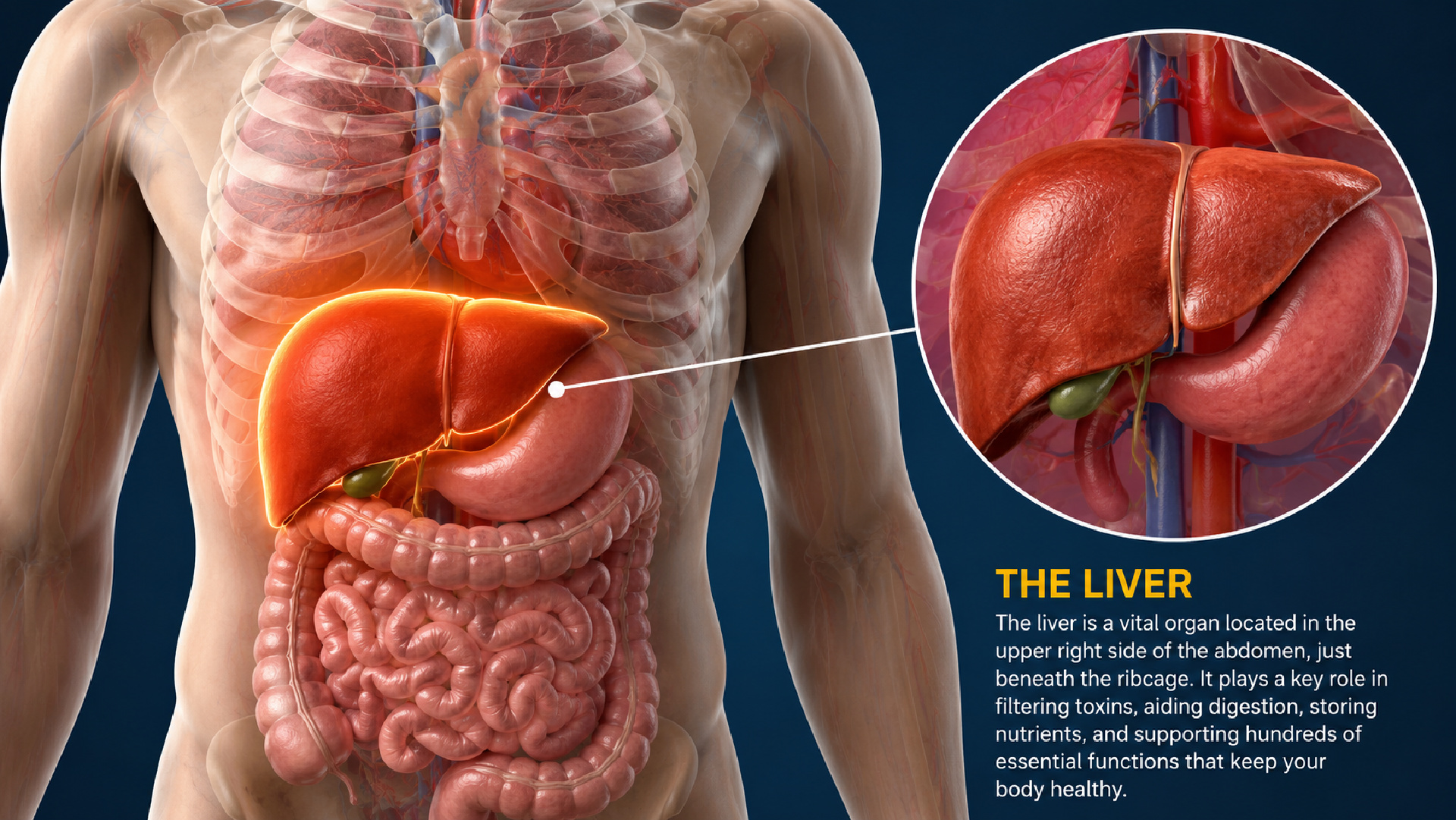
Here are 10 ways to give your liver a fighting chance
Give your liver a break from alcohol
This is the single biggest step for many people. Research shows alcohol-related fatty liver can begin improving within 2-6 weeks of abstinence, with further recovery over months if damage is not advanced. Quantifiable goal: 30 alcohol-free days or at least 3-4 consecutive alcohol-free days each week.
Lose 5-10% of your body weight
This is one of the strongest findings in liver health research. For people with non-alcoholic fatty liver disease (NAFLD), losing: 5% of body weight can reduce liver fat, 7-10% of body weight can improve inflammation, 10%+ may help reverse some fibrosis in certain cases. For example, for someone weighing 110kg, a 5-10% reduction would be: 5.5kg to 11kg. That’s very achievable and clinically meaningful.
Walk 150 minutes per week
Regular exercise helps reduce liver fat even without significant weight loss. Target: 150-300 minutes of moderate activity weekly, equivalent to 30 minutes a day, five days a week.
Reduce sugary drinks
Excess fructose is strongly linked to fatty liver. Easy measurement: replace soft drink, energy drinks and fruit juice with water, sparkling water, tea or coffee. Even one less sugary drink per day can remove thousands of excess calories each month.
Drink coffee
This surprises many people, in that so many studies have found coffee drinkers have lower rates of liver disease progression. No need to start if you hate coffee, but it’s one of the rare pleasures doctors often endorse, but in moderation of course.
Keep an eye on your waistline
Waist circumference can be as important as weight. On average for Australian men, for example: below 94cm = lower risk. Above 102cm = substantially increased health risk. Reducing abdominal fat is closely linked with improved liver health.
Get your blood tests checked
Many people with liver disease have no symptoms. Ask your GP about: liver function tests (LFTs), blood glucose, cholesterol and triglycerides. These provide objective markers that can be tracked over time.
Watch the “healthy” foods
Many people cut back on alcohol but continue consuming: large amounts of fruit juice, sweetened yoghurts, processed snacks, and sugary breakfast cereals. The liver doesn’t distinguish between “healthy marketing” and excess sugar.
The encouraging news
The liver is often described as the body’s most forgiving organ and unlike the heart or brain, it can regenerate remarkably well when damage is caught early.
For many people, modest changes (losing 5-10% of body weight, cutting back on alcohol, walking most days and improving diet quality) can produce measurable improvements within a matter of months.
That’s a far more hopeful message than many Australians realise.





 Proudly Australian owned and operated
Comments 0
Join the conversation. Comments are reviewed before they appear.
Be the first to comment.
Join the conversation
Tell us who you are to post a comment. We'll remember you next time.