
Why So Many Australians Wait Years Before Getting Help for Hearing Loss


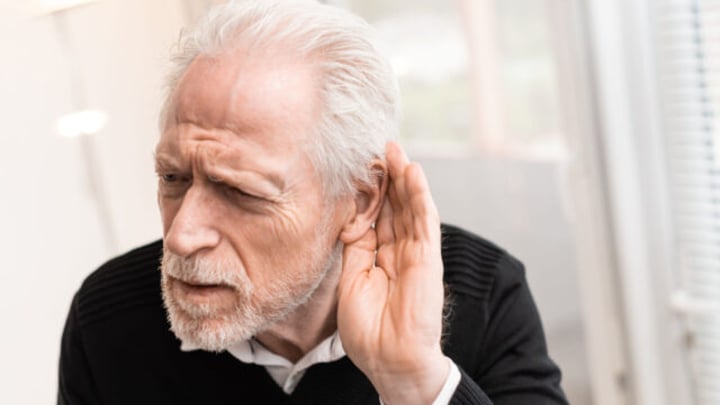
Hearing loss affects far more than a person’s ability to hear. New research from Flinders University reveals it can quietly reshape relationships, social participation, emotional wellbeing and overall quality of life, yet despite effective support being readily available, many people remain genuinely reluctant to ask for it.
Just how common is hearing loss in Australia?
Hearing loss is a genuinely significant issue for older Australians specifically. In 2017, an estimated 3.6 million Australians, around 14.5 per cent of the population, were living with at least a mild degree of hearing loss, and more than three-quarters of them were aged 60 or older. More than half of Australians in their 60s experience some degree of hearing loss, a figure that climbs to over 80 per cent among those aged 80 and above.
That number is only set to grow. By 2060, the number of Australians with at least mild hearing loss is projected to double to 7.8 million, driven largely by our ageing population. The condition also carries a real economic toll, with an estimated annual cost to Australia of $33.3 billion. Importantly, researchers estimate around a third of adult-acquired hearing loss is actually preventable, tied to factors like hazardous noise exposure, certain medications and chronic disease.
Globally, the picture is just as significant. More than 1.5 billion people worldwide live with some degree of hearing loss, including 430 million with disabling hearing loss, a figure the World Health Organization expects could exceed 700 million by 2050.
Why so many people delay getting help
Despite how common hearing loss is, and how effective modern hearing care can be, a new review by Flinders University has found that psychosocial barriers, including stigma, denial, fear of judgement and a reluctance to disclose hearing difficulties, consistently prevent people from seeking help.
Lead author Dr Katie Ekberg, from Flinders University’s College of Health and Enablement, said people with hearing loss often face genuine emotional and social challenges in everyday life. She said difficulty following conversations can lead to frustration, embarrassment, social withdrawal and real strain on relationships, and that family members and partners are frequently affected too, reporting misunderstandings, reduced enjoyment of shared activities and their own emotional stress.
“These experiences can affect wellbeing, relationships, and participation in activities that many of us take for granted,” Dr Ekberg said.
Denial and minimising the impact of hearing difficulties were among the most common barriers identified. Some people worry they’ll be judged negatively if they disclose their hearing loss, while others actively try to conceal their difficulties from colleagues, friends, and even close family.
Dr Ekberg noted that hearing loss is often a genuinely invisible condition, and the effort many people put into concealing it can create additional stress, while simultaneously keeping them from support that could meaningfully improve their quality of life. She said partners and loved ones are frequently the first to notice hearing difficulties, and are often the driving force behind actually arranging a hearing test once communication at home becomes genuinely difficult.
Getting to an appointment doesn’t always mean someone’s ready
Interestingly, the research found that attending a hearing appointment doesn’t necessarily mean someone has fully accepted the need for support. People may still downplay the impact of their hearing loss, attribute their difficulties to background noise or other people mumbling, or focus conversation on situations where they hear well, rather than genuinely discussing where they struggle.
“Seeking help is often a journey rather than a single decision,” Dr Ekberg said, adding that understanding the emotional and social barriers people face allows hearing care professionals, families and communities to offer support in a more compassionate and effective way.
Why this matters, and what can help
With hearing loss affecting close to 20 per cent of the global population, researchers say reducing stigma and encouraging genuinely open conversations are critical to helping more people access care, maintain their relationships, and stay connected to the people and activities that matter most to them.
If you’ve noticed a loved one struggling to follow conversations, withdrawing from social situations, or turning the television up louder than it used to be, it may be worth gently raising the idea of a hearing check, not as a criticism, but as a genuine step toward making everyday life easier and more connected again.
This article reports on research published in Person- and Family-Centered Care in Audiology and is general in nature. It isn’t personalised medical advice — if you have concerns about your hearing or a loved one’s, speak with your GP or an audiologist.





 Proudly Australian owned and operated
Comments 5
Join the conversation. Comments are reviewed before they appear.
It's also the cost of hearing aids which can be a deterrent,although obviously an investment!
Hearing Aids are ridiculously expensive in Australia.
The "free" version of hearing aids that "some" people are eligible for are cheap versions that dont work that well. Has taken me 4 years to pay mine off and I find them more successful for listening to music and answering my phone then for hearing in the community.
I know I need them , but since having to leave my full time job due to health reasons, I do not get a pension as my husband still works and is younger ,
bad enough he supports me without having to pay for hearing aids way too expensive for me and with no pension don’t qualify for free , sounds like they are not much good anyway I am now 72 been waiting 5 years my theory is they are waiting for me to die first , I did work full time and paid my taxes .
I have had my hearing checked and there is nothing that can be done for me. While I can hear the slightest sound outside my home, in social situations, the background noise drowns out people talking to me. I can’t catch all that they are saying. It’s embarrassing and easier for me to leave the room. I would so love to be more social but it’s all too hard and awkward.
Join the conversation
Tell us who you are to post a comment. We'll remember you next time.