
Why curcumin’s biggest breakthrough isn’t the ingredient



Instead of asking how much curcumin is in a supplement, experts say Australians should be asking a different question altogether: how much of it can your body actually absorb?
It’s not just what’s in the capsule
Curcumin, the active compound found in turmeric, has become one of Australia’s most popular supplements, particularly among older people looking to support joint health and manage inflammation.
But despite its growing popularity, one problem has continued to frustrate scientists for years – traditional curcumin is notoriously difficult for the body to absorb.
That has sparked growing interest in “bioavailability”, a scientific term that simply refers to how much of a nutrient or compound actually reaches the bloodstream where it can potentially do its job.
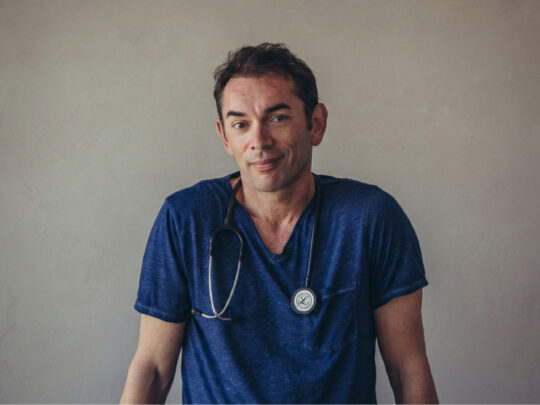
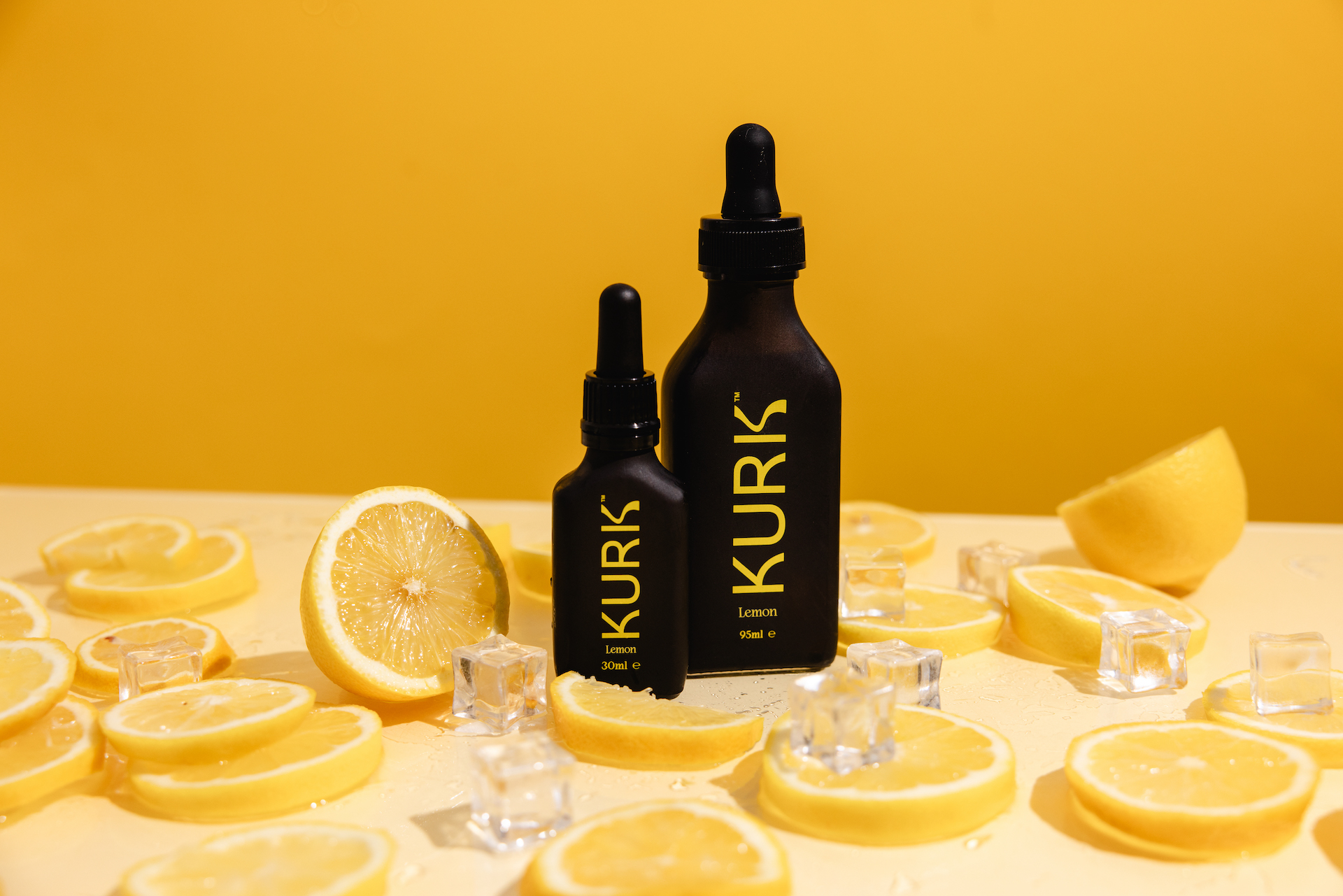
According to Professor Harrison Weisinger, a pharmaceutical scientist and co-founder of Australian biosciences company KURK, advances in formulation technology are changing the conversation.
“For years, curcumin was famous for one thing – that it barely got absorbed,” he said.
“What has changed is that formulation science has caught up. We now have delivery systems that physically protect the molecule and carry it across the gut wall.”
Why absorption is important as we age
Bioavailability becomes increasingly important as we get older because our bodies don’t always process nutrients and supplements as efficiently as they once did.
Weisinger said age-related changes in digestion, metabolism and body composition can all influence how much of a supplement the body actually uses.
“Changes in digestion, body composition and liver metabolism make nutrient exposure far less predictable than it was at 30,” he said.
At the same time, low-grade inflammation tends to increase with age, contributing to stiffness, slower recovery and joint discomfort that many people begin noticing in later life.
What does the evidence actually say?
Curcumin has been extensively studied, particularly for knee osteoarthritis, with several reviews suggesting it may help improve pain and physical function for some people.
However, Weisinger is careful not to overstate the science.
“Higher exposure makes a meaningful effect more likely, but it does not promise it for every person,” he said.
“The strongest clinical signal is in osteoarthritis, with formulation quality giving a product its best chance of delivering.”
Supplements aren’t the whole answer
While supplements often receive plenty of attention, Weisinger believes they should never replace the fundamentals of healthy ageing.
“Exercise, strength training, weight management and physiotherapy do more for stiff, arthritic joints than any supplement, and I will never suggest a capsule as a substitute for movement,” he said.
Instead, he sees well-formulated curcumin as something that may complement an already healthy lifestyle rather than replace it.
For Melbourne golfer Tony Lewis, 83, that’s exactly how he uses it.
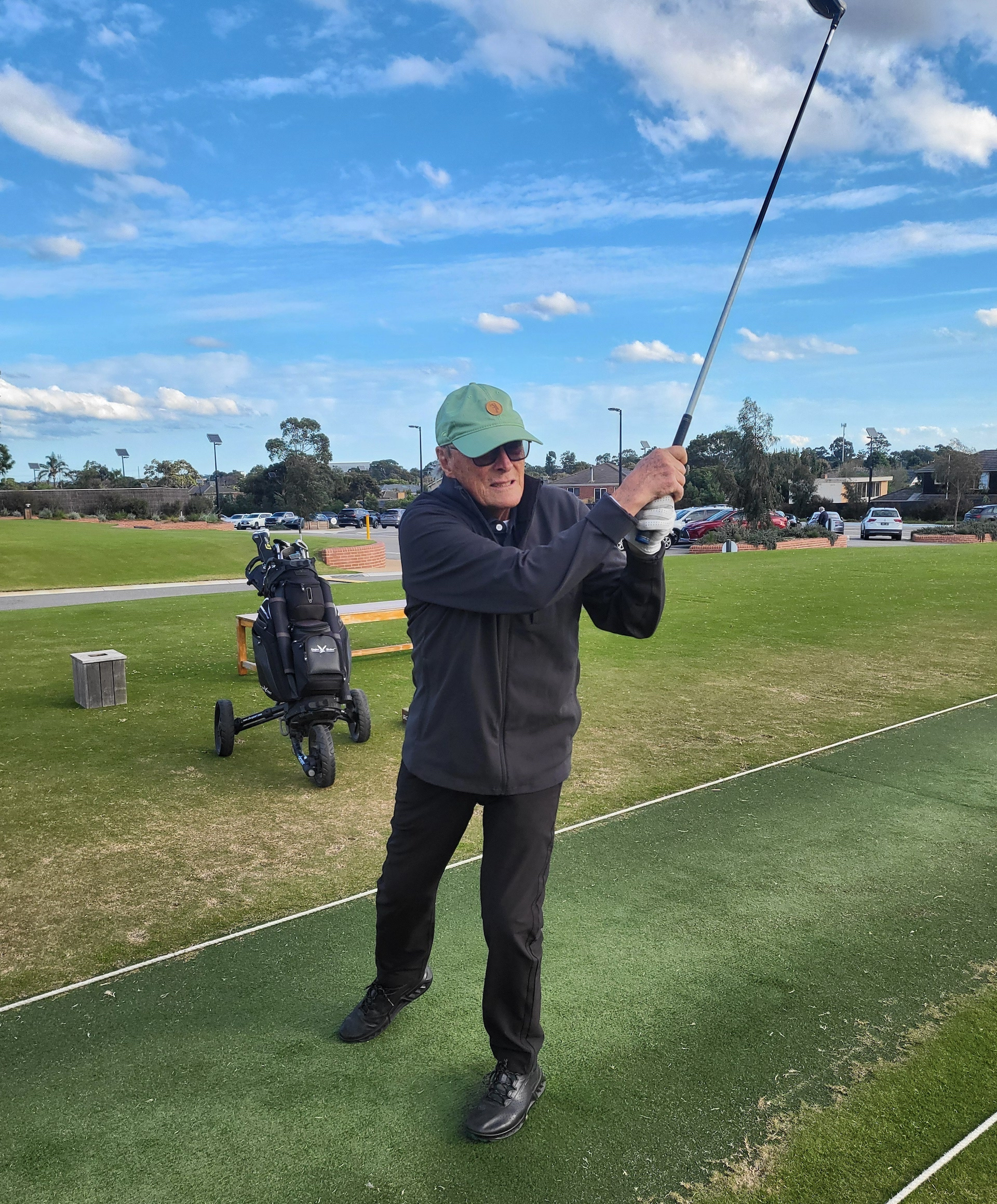
Already committed to regular golf, gym sessions and Pilates each week, Lewis said taking KURK has helped ease the morning stiffness that once made walking the golf course and descending stairs uncomfortable.
“I don’t feel any different in my wellbeing, as I am fit and in good health,” he said.
“But it’s the simple descending of stairs first thing each morning that makes the difference.”
As with any supplement, experts recommend speaking with your GP or healthcare professional before starting curcumin, particularly if you’re taking prescription medications or managing existing health conditions.
Editorial note: Professor Harrison Weisinger is co-founder of Australian biosciences company KURK, which produces a micelle-based curcumin supplement.





 Proudly Australian owned and operated
Comments 0
Join the conversation. Comments are reviewed before they appear.
Be the first to comment.
Join the conversation
Tell us who you are to post a comment. We'll remember you next time.