
What if the healthiest diet isn’t one we need to invent… but one we forgot?



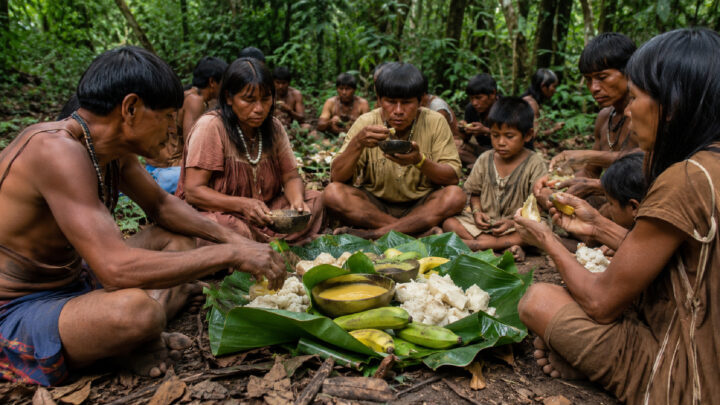
From the Bolivian Amazon to the Greek islands and the mountains of Japan, researchers have found remarkably low rates of chronic disease among people who still eat traditional diets. They don’t all eat the same foods, but they do share one thing in common – very little of what ends up on their plate comes from a factory.
Walk into any supermarket today and you’ll be confronted by hundreds of products promising better health. It’s actually enough to give you the shits… and some of the over-hyped products probably will half the time.
High protein. Low carb. Gut friendly. Heart smart. Keto approved. Immune boosting. Every few years we’re told we’ve been eating the wrong thing all along. Fat was the villain. Then it was carbohydrates. Eggs were out. Eggs were back. Even butter became the enemy before quietly finding its way onto sourdough again.
Every aisle seems to offer another answer to the question we’ve been asking for decades: what’s the healthiest way to eat?
Yet while we’ve been busy chasing the next superfood or the latest diet trend, researchers have quietly been travelling to some of the world’s most remote communities looking for clues to a very different question.
How did people eat before food became an industry?
The answers have taken them to places as diverse as the Bolivian rainforest, the Japanese island of Okinawa, the mountains of Sardinia in Italy, the Greek island of Ikaria and the Nicoya Peninsula of Costa Rica. Their cultures couldn’t be more different, and neither could many of the foods they eat.
But the deeper scientists have looked, the more one pattern keeps emerging.
The healthiest traditional diets don’t appear to revolve around a miracle ingredient, but rather revolve around food that still looks remarkably like the way nature made it.
The rainforest that’s challenging modern assumptions
Among the most interesting discoveries comes from the Indigenous Tsimané and neighbouring Mosetén people of the Bolivian Amazon.
Researchers from the University of Southern California and collaborators have spent years studying these communities, documenting some of the world’s lowest recorded rates of dementia in older adults. Earlier research also found extraordinarily low levels of coronary artery disease compared with industrialised populations.
Let me just say, the Tsimané menu wouldn’t win many social media followers.
Meals are built around plantains, cassava, rice, corn, beans, fish and wild game, with fruit gathered from the surrounding forest. Their diet is rich in fibre and naturally low in added sugar and ultra-processed foods.
Importantly, researchers have been careful not to attribute their health to diet alone.
The Tsimané spend much of each day walking, farming, fishing, hunting and gathering. Physical activity isn’t something squeezed into an hour before work or after dinner; it’s simply part of daily life.
That combination of natural movement, minimally processed food and strong community connections appears to be a powerful recipe for healthy ageing.
Different cultures, familiar themes
Travel halfway around the world and you’ll find remarkably similar patterns.
People living in Okinawa traditionally eat sweet potato, vegetables, tofu and fish, while in Sardinia, meals often feature beans, sourdough bread, vegetables, olive oil and modest amounts of sheep’s milk cheese.
On Ikaria, legumes, wild greens, olive oil and seasonal produce dominate the table.
No two communities eat exactly the same foods and that’s what makes the research so compelling.
Scientists aren’t pointing to one magical berry, one special grain or one secret spice. Nor are they sending you down one of those never-ending webpages that begins with a miracle discovery, promises to change your life, and somehow ends with a monthly subscription (that you can’t unsubscribe from). Instead, they’re observing lifestyles built around whole foods, seasonal eating, modest portions and meals prepared from ingredients rather than manufactured products.
Perhaps it’s less about what they eat than what they rarely do.

When food stopped looking like food
For almost all of human history, food came with very few ingredients.
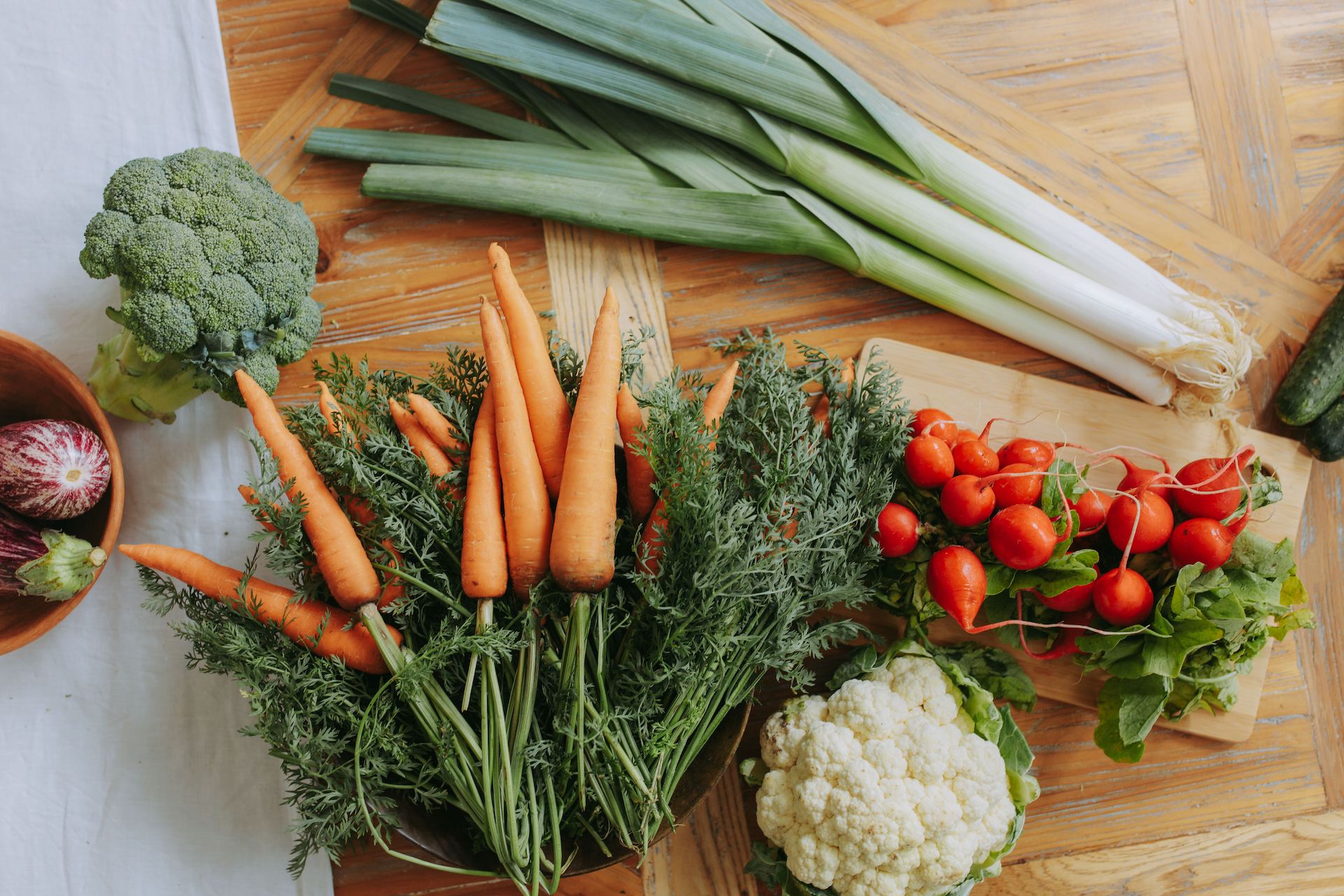
A carrot was simply a carrot.
Fish came from rivers or the sea.
Bread was made from flour, water and time.
Today, many supermarket products contain ingredient lists longer than some recipes.
An umbrella review published in The BMJ linked higher consumption of ultra-processed foods with an increased risk across a wide range of health outcomes, including cardiovascular disease, type 2 diabetes and poorer mental health. Other studies continue to explore possible links with cognitive decline, although researchers caution that this remains an active area of investigation rather than settled science.
That’s an important distinction.
No serious scientist argues that one biscuit causes dementia or that one takeaway meal leads to heart disease. Health is shaped by genetics, income, education, healthcare, exercise, sleep, stress and countless other factors.
But as the evidence grows, many researchers are asking whether diets increasingly dominated by ultra-processed foods are quietly changing the way our bodies function over decades.
A quieter lesson
None of this is an argument to romanticise the past.
Traditional communities face challenges most Australians never will, including limited access to healthcare, infectious diseases and food insecurity.
Nor is it realistic — or desirable — to suggest we should all abandon modern life.
But perhaps there’s something worth learning from people who have never needed a wellness influencer to tell them what dinner should look like.
Our grandparents didn’t eat perfectly, they simply ate differently.
Meals usually began with ingredients rather than packets. Vegetables were ordinary, not fashionable, and soft drinks were occasional treats. Walking wasn’t exercise; it was how you got things done, and family meals happened because life slowed down long enough to make them possible.
Maybe we’ve spent too much time asking which diet is best, and not enough time asking what happened to our food before it reached the plate.
Perhaps the biggest nutritional breakthrough of the past decade isn’t something new at all. It could be the growing realisation that the further our food travels from the paddock, the more carefully we should ask what happened to it along the way.
The Tsimané don’t call it clean eating and the people of Ikaria don’t follow a longevity program. They simply eat the food their landscapes have offered for generations.
As researchers continue searching for answers to the diseases of modern life, maybe they’re being led back to a surprisingly old idea: that the healthiest food doesn’t need a health claim on the packet. In fact, it may not need a packet at all.





 Proudly Australian owned and operated
Comments 3
Join the conversation. Comments are reviewed before they appear.
when was the last time anyone tasted a tomato etc.?? We have messed so much with our food. As for packaged products, it's only when you read the labels (and there is no guarantee they tell the whole truth) you realize just how much sugar/salt and such are in them.
yes. home grown tomatoes are wonderful.
So agree. So much food is GM, to with stand spays to kill weeds. The spray stays on the Food growing, and that is what is consumed. A real home grown tomato, silverbeet, etc, the list goes on, then one can taste what one is eating.
Join the conversation
Tell us who you are to post a comment. We'll remember you next time.