
The silent heart warning signs many Australians over 60 are missing


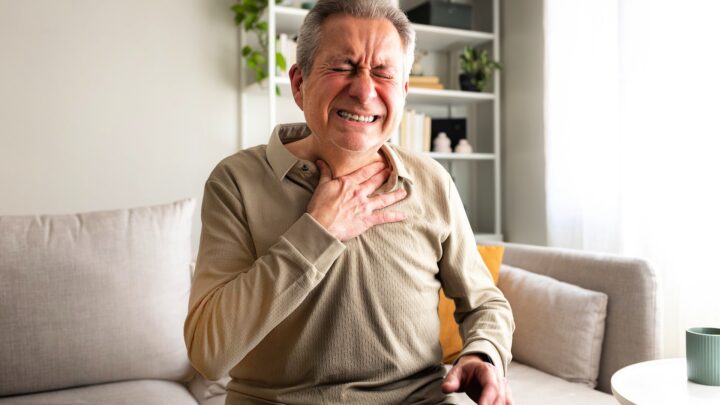
When it comes to heart trouble, most of us picture the dramatic version — a sudden clutch of the chest, a collapse, perhaps enough time for a meaningful final sentence.
In reality, it’s rarely so theatrical.
For many Australians over 60, heart problems arrive quietly. A little fatigue. A touch of breathlessness. A vague sense that something isn’t quite right. Easy to ignore. Easier still to explain away as “just getting older”.
According to the Heart Foundation, heart disease remains the leading cause of death in Australia, responsible for one in four deaths. The risk increases significantly with age, particularly after 60, when the likelihood of heart attack and other cardiovascular conditions rises sharply.
Cardiologist Dr Garry Jennings says the real danger lies in how subtle the warning signs can be.
“People often dismiss symptoms like fatigue, shortness of breath or mild discomfort as part of ageing — but they can be early signs of heart disease.”
The symptoms people miss
Unlike the classic “Hollywood heart attack”, many real-life cases begin with symptoms that feel … underwhelming.
That’s exactly the problem.
Some of the most commonly overlooked warning signs include:
- Unusual fatigue – not just tiredness, but a deep, persistent lack of energy
- Shortness of breath – particularly during light activity or even at rest
- Lightheadedness or dizziness
- Nausea or a general feeling of being unwell
- Cold sweats or unexplained sweating
- Discomfort in the jaw, neck, back or shoulders
- A feeling of pressure, tightness or mild pain in the chest
None of these scream “medical emergency”. And yet, in combination – or when persistent – they can signal serious heart trouble.
Women in particular are more likely to experience these quieter symptoms rather than the classic chest pain, which can delay diagnosis.
Why over-60s are at greater risk
Age is one of the biggest risk factors for heart disease. As we get older:
- Arteries naturally stiffen
- Plaque builds up in blood vessels
- Blood pressure tends to rise
- The heart works harder to maintain circulation
Add in common factors like high cholesterol, diabetes or a history of smoking, and the risk increases further.
The Heart Foundation reports that most heart attacks occur in people over 65, but the warning signs often appear years earlier — and are frequently ignored.
When to take it seriously
The line between “I’m just a bit off today” and “I should get this checked” can be blurry.
But there are some clear signals that shouldn’t be brushed aside:
- Symptoms that are new or unusual for you
- Discomfort that comes and goes or builds gradually
- Feeling unwell without an obvious cause
- Symptoms that persist for more than a few minutes
Dr Jennings puts it simply: “If something doesn’t feel right, it’s worth getting checked. Early action can save lives.”
The quiet danger of delay
One of the biggest risks isn’t the symptom itself – it’s the delay in acting on it.
Many older Australians hesitate to seek help because they don’t want to “make a fuss” or waste a doctor’s time. But when it comes to the heart, hesitation can be costly.
The reality is this: early detection dramatically improves outcomes.
What you should do
If you experience symptoms that concern you:
- See your GP promptly
- If symptoms are severe or sudden, call emergency services immediately
- Keep track of changes in your energy, breathing or general wellbeing
And perhaps most importantly – trust your instincts.
Heart disease doesn’t always announce itself loudly.
Sometimes it whispers.
And for Australians over 60, learning to recognise those quiet warning signs could make all the difference.
Because when it comes to your heart, it’s far better to be cautious than quietly heroic.





 Proudly Australian owned and operated
Comments 0
Join the conversation. Comments are reviewed before they appear.
Be the first to comment.
Join the conversation
Tell us who you are to post a comment. We'll remember you next time.