
The King who chose love: The Royal scandal that changed everything


Tea, Titles & Tiaras with Emily Darlow
Royal history has no shortage of scandals, but some moments are so explosive they change everything that comes after. In this Tea, Titles & Tiaras Scandal series, we are revisiting the royal missteps that reshaped the monarchy from the inside out.
The abdication that detonated the monarchy and the king who chose love over everything else.
The abdication has fascinated me for as long as I can remember. My grandfather loved telling the story of the king who gave it all up for love, usually while pointing to a commemorative coronation mug that took pride of place on his mantelpiece. It was made for the coronation of King Edward VIII, a ceremony that of course never happened. He always thought it would be worth a fortune because the ‘silly bugger’ never actually became king. It turns out it is worth about $30AUD, but it is one of my most treasured possessions because of the way this royal scandal became part of our family folklore.
And it really was a scandal of historic proportions. One impulsive, self-assured king managed to trigger a constitutional crisis, fracture his family and permanently alter the course of the monarchy in less than a year. Without the abdication, Queen Elizabeth II would never have been queen. Her father would never have been king. The royal family we know today would look completely different.
This was not just a love story, it was a royal detonation that had rippling effects for years to come.
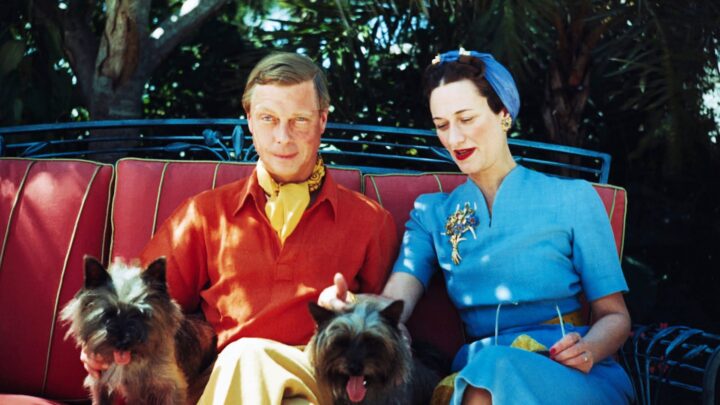
When Edward VIII ascended the throne in January 1936, he was enormously popular with the public and deeply alarming to the establishment. He was charming, modern and openly impatient with royal convention. He disliked paperwork, skipped briefings and preferred society parties to state boxes. Behind palace doors, there was already concern that he did not take kingship particularly seriously. Then there was the issue of Wallis.
Wallis Simpson was twice married, American and entirely uninterested in moulding herself into a suitable royal consort who would one day be queen. She smoked, drank, swore, dominated conversations and held Edward’s emotional leash with astonishing confidence. Courtiers were horrified and the government was incandescent. The Church of England flatly refused to accept her along with any question that the two should marry and Edward made it worse by refusing to hide the relationship.
By mid 1936, it was clear Edward intended to marry Wallis once her second divorce was final. Prime Minister Stanley Baldwin made the situation brutally clear, Wallis would never be accepted as queen. A morganatic marriage was rejected while the Commonwealth governments were consulted and unanimously opposed the match.
Behind closed doors Edward raged and sulked finally threating to go public with his relationship He genuinely believed his popularity would force the government to bend. It did not.
Behind the scenes, his family was furious. His mother Queen Mary believed he was betraying his duty. His younger brother Bertie, the future George VI, was terrified of what would happen if Edward did marry. Edward was not just choosing love, he was abandoning responsibility and leaving the mess behind him.
On 11 December 1936, Edward addressed the nation by radio. His voice was calm, almost relieved, as he told listeners he could not carry the burden of kingship without the woman he loved. In that moment, he became the only British monarch to voluntarily abdicate.
In Britain, the establishment was stunned but quietly relieved. In Australia, families gathered around radios as newspapers rushed out special editions. The idea that a king could simply walk away felt shocking and strangely modern.
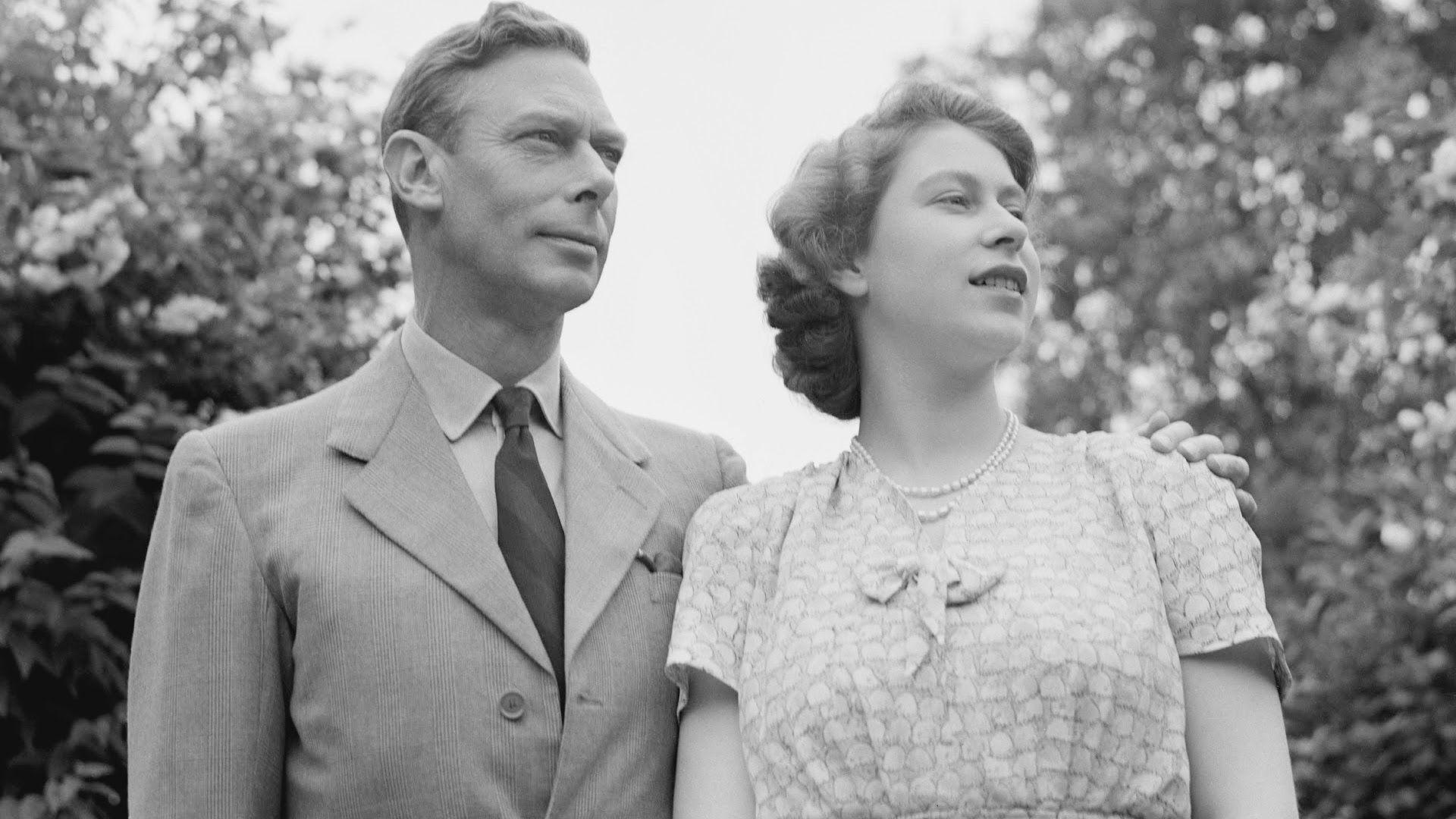
Almost immediately, Edward became the Duke of Windsor. Bertie became King George VI and the monarchy was thrown into the hands of a man who never wanted the crown and had no idea how to wear it.
George VI was shy, anxious and plagued by a debilitating stammer. The stress of the unexpected crown weighed heavily on him, particularly as Europe slid toward war. His reign was shaped by duty rather than desire, and the pressure took a serious toll on his health.
His eldest daughter Elizabeth II was suddenly heir presumptive at just ten years old. Overnight, her trajectory changed dramatically, what once was an easy carefree life with her sister, Margaret, now looked like boarding school, military discipline and a lifetime of service followed. The abdication did not just create a king. It created a queen.
Edward, meanwhile, spent the rest of his life insisting he had been wronged.
Edward married Wallis in France in 1937. She was never granted the style of Her Royal Highness, a deliberate and deeply personal snub that Edward never forgave. The couple lived largely in exile, moving between France and the United States, permanently orbiting the royal family but never welcomed back into its centre.
Their reputation darkened further after their visit to Nazi Germany, where they were photographed meeting Adolf Hitler. While the full extent of Edward’s political sympathies remains debated, the optics were appalling and cemented the family’s decision to keep him sidelined.
When Edward died in 1972, he was buried at Frogmore. Wallis followed fourteen years later. Their love story endured, but it came at an extraordinary cost.
So, who would be king if Edward had never abdicated? Edward and Wallis never had children. If Edward had remained king and died childless, the crown would still have passed to his younger brother George VI. From there, the line would have unfolded exactly as it did. Elizabeth II would still have become queen, and Charles III would still be king today.
However, had Edward remained king and produced legitimate heirs, everything would be different. Elizabeth would never have worn the crown. Charles would never have been born into the direct line. William would not be heir. The entire modern monarchy would belong to a branch of the family that never existed.
One romantic decision quietly erased an entire potential dynasty.
The abdication taught the monarchy a brutal lesson that still prevails to this day, love could no longer come before duty. Personal desire would never again be allowed to destabilise the Crown. That lesson shaped Elizabeth II’s reign, Charles’s upbringing and the institution’s deep discomfort with emotional unpredictability.
Because for all the romance wrapped around it, the abdication was never really a love story. It was a cautionary tale, quietly filed away by the Palace and never forgotten. Every royal relationship since has been measured against that moment when a king chose himself and the Crown chose to move on without him. The tiaras stayed polished, the rules tightened, and the message was clear. Fall in love if you must but never forget who comes first, duty above all else.
And somewhere on a mantelpiece in Australia sits a coronation mug for a king who never was, a reminder that history can pivot on the most human of choices.
Until next time, keep the kettle warm.





 Proudly Australian owned and operated