
‘Mum was ready’: The son who sat beside his mother through her final goodbye



THE BIG READ
Some interviews don’t leave you when the phone call ends.
You carry them around afterwards. Whether it’s driving home. Making a coffee. Or sitting quietly later that night thinking about your own family and the conversations nobody really wants to have until they’re forced upon us.
That was my conversation with Oliver Christen.
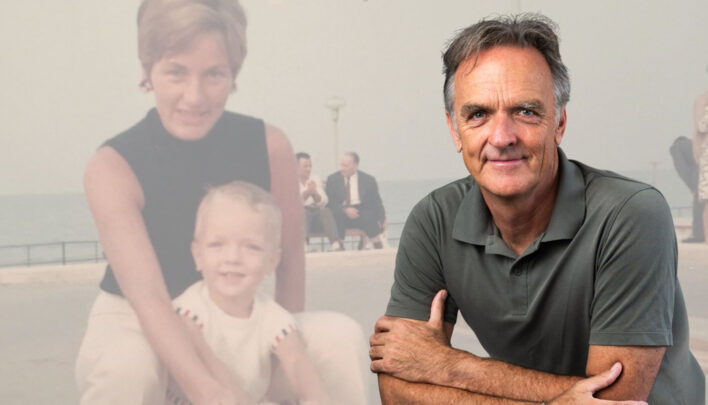
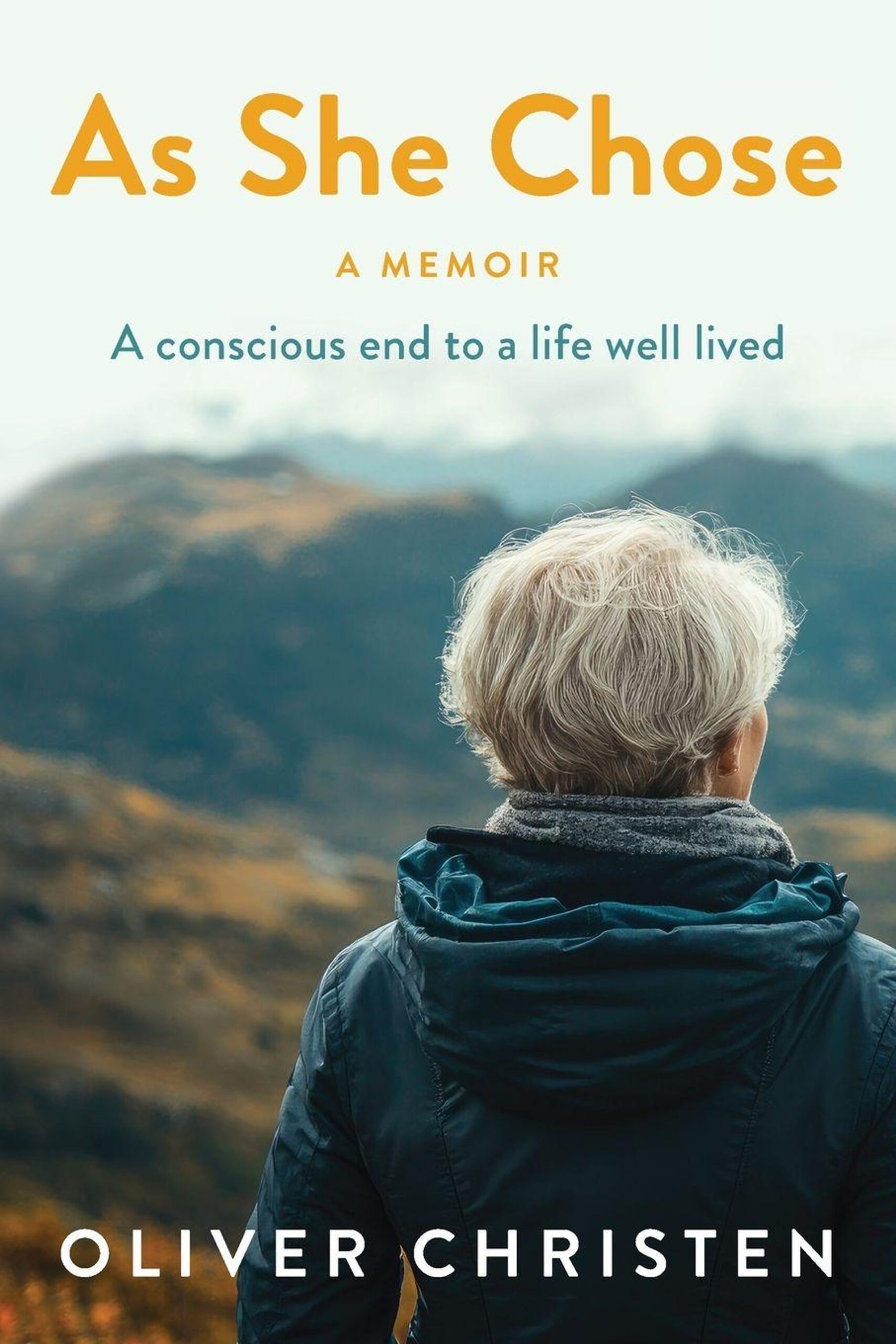
His new memoir, As She Chose, tells the story of accompanying his 85-year-old mother through the final weeks of her life after she made the conscious decision she was ready to let go. On paper, it sounds like a story about death but in reality it’s about ageing, dignity, family and the quiet heartbreak that arrives when fiercely independent people begin feeling their world shrink around them.
Oliver’s mother had lived fully. She climbed mountains, skied marathons, mountain biked through Switzerland well into later life, spoke several languages, exercised discipline over both body and mind and kept herself intellectually sharp with crosswords, reading and memorising poetry.
But ageing, as so many readers would understand, arrived not all at once but in stages…
A loss here.
A frustration there.
Eyesight fading.
Mobility changing.
The slow realisation that activities once done effortlessly now required assistance, patience or were no longer possible at all.
“What really struck me was the layers of letting go,” Oliver told Starts at 60.
He spoke about his mother one afternoon staring at a Sudoku puzzle she’d completed countless times over the years and quietly admitting it no longer made sense to her. Another loss accepted… another small surrender to time.
I suspect many older Australians — and certainly many adult children watching parents age — recognise those moments instantly. They’re rarely dramatic, there’s no soundtrack playing in the background, they’re simply little flashes where somebody realises life has changed and isn’t coming back the same way.
‘Once I lose my independence’
For Oliver’s mother, the deepest fear was dependence and never death itself.
“She always said, ‘Once I lose my independence, once I lose the quality of life I want to have, once I feel I can’t have that anymore, I don’t want to be here,’” he said.
Oliver explained that much of that fear had been shaped by what she had already witnessed inside the medical system, particularly during the final chapter of his father’s life.
“She’d already seen what happened with my dad,” he said. “He had a living will. He died on the operating table and despite that document saying he didn’t want to be revived, he was brought back. That really shook her. She worried that if something happened suddenly — a fall, a medical emergency — she could end up trapped in a situation where other people were making decisions for her and keeping her alive in ways she never wanted.”
There was another fear too, one many older Australians quietly carry but rarely say aloud.
“She was afraid of dying alone at home and nobody finding her,” Oliver admitted. “Those were probably her biggest fears — losing independence, having her wishes overridden and dying alone.”
It’s uncomfortable material, but it’s also deeply familiar territory for many people over 60. Talk privately to older Australians and conversations often drift towards independence, aged care, hospitals, dementia and the fear of becoming a burden to the people they love.
Oliver said his mother had grown increasingly wary of a healthcare system she felt could sometimes become more focused on keeping people alive than asking whether they were truly still living the way they wanted to.
For her, quality of life was more important than simply extending life at any cost.
‘My role wasn’t to persuade her’
What stayed with me most about Oliver, though, was his gentleness.
There was no anger in him. There was also no political campaigning, and no sense he was trying to convince anyone they should think exactly as his mother did. He simply spoke as a son trying to honour somebody he loved.
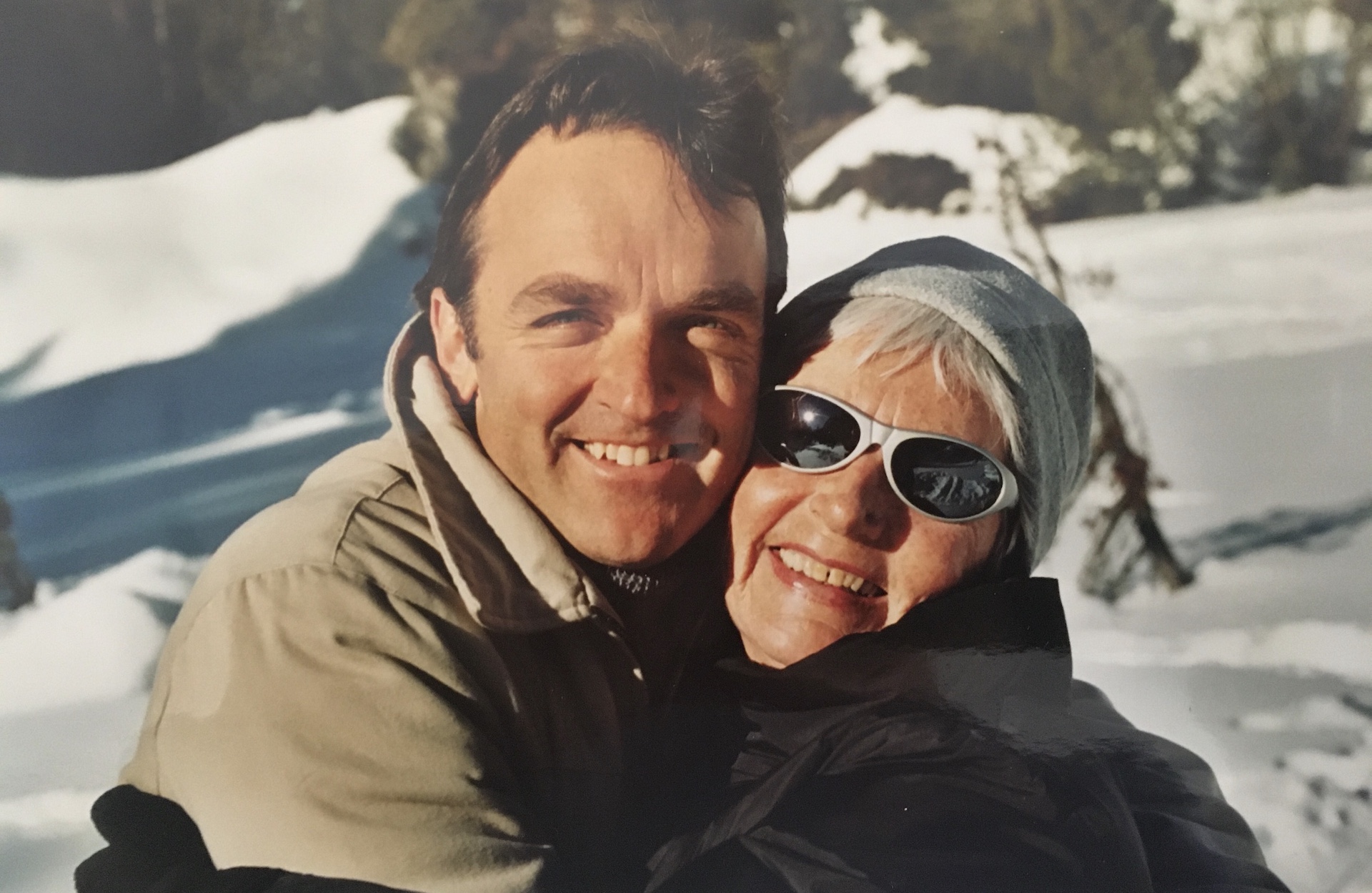
“There was a point where I realised my role wasn’t to persuade my mum of anything,” he said. “It was simply to walk beside her.”
That was the line that sat with me long after the interview finished. Because how many of us, particularly as children, spend our lives trying to fix things or hold things together? Yet here was a man recognising that sometimes love asks something entirely different of us. Sometimes the role is not to steer the outcome but simply to remain present through it.
Oliver moved in with his mother during her final weeks because he knew one of her greatest fears was being alone. Together they explored different end-of-life options before she eventually chose voluntarily stopping eating and drinking, known as VSED. Oliver is careful not to sensationalise the process and repeatedly returns to the emotional side of the experience rather than the politics surrounding it.
Fish and chips, grandchildren and old photographs
In many ways, some of the most moving parts of his story had nothing to do with dying at all.
One afternoon his mother became emotional at the thought she may never see Oliver’s children again, so the family gathered for a day together filled with old photographs, stories and memories the grandchildren had never heard before.
“There was this one moment where we’d just been laughing, and suddenly a huge wave of emotion came up for Mum,” Oliver recalled. “I asked her what was wrong and she said, ‘The thought that I won’t see your kids again — I’m really struggling with that.’ So I said, ‘Then let’s organise for them to come.’ We spent the whole day together looking through old photos, telling stories, laughing about silly things like chasing seagulls while eating fish and chips. The kids heard stories they’d never heard before. Mum said goodbye to them about three times that day.”
By evening, he sensed something inside his mother had softened.
“By the end, I had this feeling there was no sadness left anymore. There was gratitude, peace and this sense that everything was complete. No tears when they left, no panic, no sense of unfinished business. Just peace. I remember thinking at the time that if she simply went to sleep that night, it would somehow feel right because emotionally everything that needed to be said had finally been said.”
Complete.
Not cured, rescued from ageing, nor “winning a battle”. Just emotionally complete with the life she had lived and the people around her.
There’s a maturity in that idea modern culture often struggles with. We’ve become so conditioned to fight, push, optimise and extend everything that acceptance can almost sound radical.
That doesn’t mean everybody will agree with Oliver’s mother’s choices, nor should they have to. Every family navigates ageing and death differently and every person’s beliefs, faith and circumstances shape those decisions.
Still, there was something undeniably powerful hearing a son speak openly about witnessing somebody receive the ending they genuinely wanted — not rushed through hospital corridors or hidden behind curtains and machines, but at home, surrounded by familiarity, family and calm.
The day that almost broke him
That calm was tested on one particularly brutal day.
By then, Oliver’s mother no longer had the strength to reach the bathroom alone. Nurses had fitted her with adult nappies, something deeply distressing for a woman who valued independence so fiercely.
“All day she kept saying, ‘I really need to go to the bathroom. Can you help me?’” he recalled. “She’d stretch her arms out to me looking absolutely desperate, and I kept trying to find solutions. I called the nursing service, I called the hospice asking what else I could do, but every answer was basically the same — we just had to get through it. Eventually I gathered all my courage and physically carried her to the bathroom one last time because I knew how important that dignity was to her.”
“That day was very, very hard,” he admitted, softly. “I felt utterly helpless.”
There was no performance in the way he described it, j ust exhaustion and love colliding together inside an ordinary bathroom many families would recognise.
Why this story feels so relevant right now
I suspect that honesty is why this story affected me personally as much as it did.
Like many readers, I’m navigating difficult realities with my own mum at the moment. Ageing changes families. It changes conversations. It forces people into emotional territory they often feel completely unprepared for.
And perhaps that’s why books like As She Chose resonate: because they open conversations most of us avoid until crisis arrives at the front door.
Oliver spoke about friends unable to have practical discussions with parents around wills, passwords, funeral wishes or medical directives because death still feels too uncomfortable to acknowledge.
“What I hear from people all the time is that they want to focus on living and they experience talking about death as somehow morbid or confronting,” he said.
“But avoiding those conversations can leave families in an enormous mess later on. I’ve taken the opposite approach. I have my will, my living will and a working document with everything my children would need if something happened to me. Every time I travel, they know exactly where it is. For me, that’s not depressing at all — it’s empowering, because once everything is sorted you can actually focus on living more consciously without worrying about leaving chaos behind.”
A story about presence, not politics
By the end of our conversation, what stayed with me wasn’t really death at all.
It was presence.
A son sitting quietly beside his mother for 24 days because she asked him to walk beside her and he loved her enough to do it.
‘As She Chose’ by Oliver Christen is published by Animara Press and available now.





 Proudly Australian owned and operated
Comments 3
Join the conversation. Comments are reviewed before they appear.
What a beautiful story about Mother and son who were so close in life and death. My condolences.
A lovely and timely memoir indeed.
So sad that every beginning has an end. " live life the best you can till you can't ".
Join the conversation
Tell us who you are to post a comment. We'll remember you next time.