


When a political leader makes bold medical claims, it can leave many people — especially parents and grandparents — worried about the health of their loved ones.
That’s exactly what happened after US President Donald Trump declared that the use of Tylenol during pregnancy may contribute to rising autism rates in America.
Speaking at a White House news conference, Trump repeatedly advised pregnant women and parents of young children not to use the over-the-counter pain reliever, despite adding, “I’m not a doctor.”
“Taking Tylenol is not good. I’ll say it. Not good,” Trump said.
“You shouldn’t give the child a Tylenol every time he gets a shot.
“Fight like hell not to take it. There may be a point where you have to, and that you’ll have to work out with yourself, so don’t take Tylenol.”
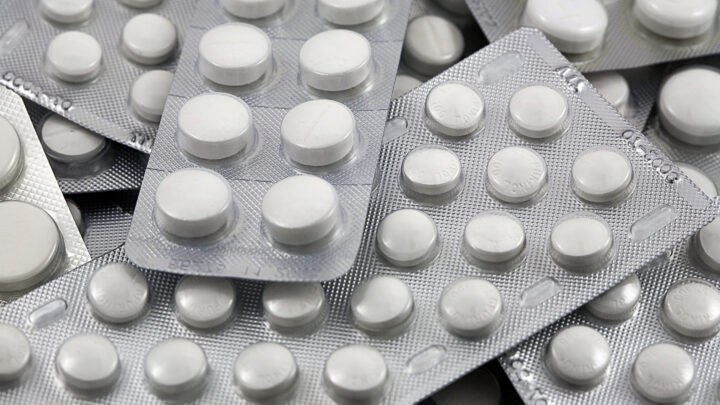
His comments stand in stark contrast to medical advice, with experts pointing to numerous studies showing acetaminophen — known in Australia as paracetamol — remains a safe option for pregnant women. No evidence was presented to support Trump’s claims, which have since come under fire from specialists around the world.
Professor Andrew Whitehouse, the Angela Wright Bennett Professor of Autism Research at The Kids Research Institute in Australia, said findings in this area are “not consistent.”
“There has been research exploring whether taking acetaminophen (also called paracetamol) during pregnancy could increase the likelihood of the offspring of the pregnancy being diagnosed with autism. Some studies have reported small associations, but these findings are not consistent and do not prove that acetaminophen directly causes autism,” he said in a statement.
“Autism is a complex condition influenced by many genetic and environmental factors. Any small associations in this area need to be weighed against the risk of untreated high fever in pregnancy for the woman and the developing baby.”
Associate Professor Kevin Yap is an Adjunct Associate Professor in the School of Psychology and Public Health at La Trobe University and a Clinical Associate Professor in the Surgery Academic Clinical Programme at Duke-NUS Medical School, agreed that caution — not alarm — is the best approach.
“Evidence is mixed. A recent review in the US has reported associations between prenatal paracetamol use and slightly higher rates of autism, but a large Swedish study using sibling comparisons had found no effect when family factors were controlled. The observational studies in the US review differ in design (e.g. self-report vs prescription data), exposure timing and duration, and how other confounders were adjusted – therefore, the results of this study have to be taken with caution,” Yap explained.
“Outcome data are inconclusive due to study limitations, and causal associations have not been established from the literature. Benefits vs risk of foetal harm from medical condition (e.g. maternal fever and pain) versus the use of paracetamol in pregnancy should be weighed by the healthcare team.
“If paracetamol is taken, it is recommended to take the lowest effective dose for the shortest duration under medical guidance. Pregnant women should discuss any persistent or recurrent symptoms with their healthcare team.”
-with Reuters and AP.
IMPORTANT LEGAL INFO This article is of a general nature and FYI only, because it doesn’t take into account your personal health requirements or existing medical conditions. That means it’s not personalised health advice and shouldn’t be relied upon as if it is. Before making a health-related decision, you should work out if the info is appropriate for your situation and get professional medical advice.





 Proudly Australian owned and operated