
Does Collagen really work for Over-60s? The Science, the Hype and What Australians are Spending


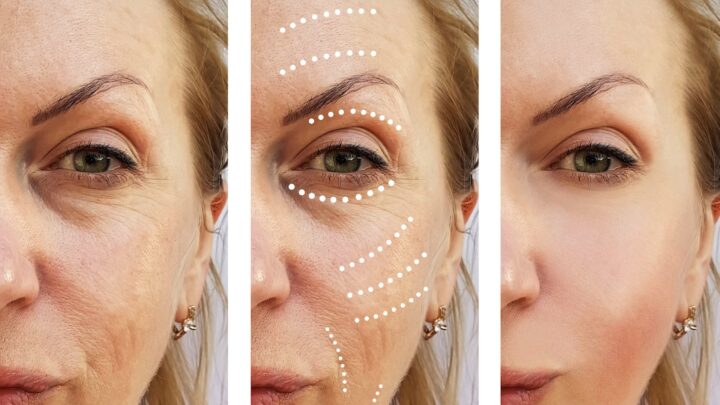
As we get older, many of us quietly wonder whether that jar of collagen powder beside the cereal box or the latest “marine collagen” drink might actually help us look and feel younger. With wrinkles, creaky joints, thinning hair and fragile nails creeping up, it’s no surprise so many of us reach for it – especially in Australia, where these products are everywhere. But the real question is: at 60 (or thereabouts), does collagen really work?
Collagen: What it does – and what we lose with age
Collagen is the most abundant protein in the body. It helps give structure to skin, bones, tendons, ligaments – even the gut and blood vessels. As we age, natural collagen production declines, which contributes to wrinkles, sagging skin, stiffer joints and weaker connective tissues.
That decline starts around our 20s and accelerates with changes such as menopause – so for many over-60s, the appeal of boosting collagen seems sensible. But the tricky bit is whether ingesting collagen – in powders, pills or drinks – actually raises collagen levels where it counts.
What does the science show?
There’s been a fair bit of research – including clinical trials, systematic reviews and meta-analyses – but results are mixed and cautious.
-
A 2025 meta-analysis of 23 randomised controlled trials (RCTs), involving 1,474 participants, concluded that while collagen supplements sometimes showed small improvements in skin hydration, elasticity and wrinkles – these positive effects disappeared when only high-quality, non-industry-funded trials were considered. In other words: the evidence does not robustly support collagen supplements as an anti-aging or skin-firming solution.
-
On joint, bone and muscle health, the picture is more hopeful but still far from conclusive. A 2024 review found collagen peptides, when combined with regular physical activity, were associated with modest gains in fat-free mass, tendon quality, muscle architecture and recovery after exercise.
-
Another 2023 study among people over 50 reported collagen peptides reduced body fat mass, including abdominal fat – perhaps suggesting benefits beyond skin deep.
-
On the flip side, major dermatologists and ageing experts argue that collagen – once ingested – is broken down in the digestive system like any other protein, and there is no guarantee the molecules or peptides end up rebuilding collagen in the skin.
In plain English: there might be some modest benefit – especially for joints, muscles or perhaps body composition – but the idea that collagen is a magic bullet for youthful skin likely overpromises.
The Collagen craze – and what we’re spending
Here in Australia, and around the world, we’ve embraced collagen wholesale. Powders, capsules, “collagen-infused” coffees, gummies – you name it. As one health-industry article noted, different brands vary enormously in purity, peptide size, and dosage – which means results are inconsistent.
A 2019 survey of Australians’ personal-care and supplement spending found many of us paying up to $200 a month – and collagen products often cost between roughly $20 and well over $100 per bottle.
That adds up. As a nation, we’re collectively spending millions chasing youth, elasticity and joint comfort – often based more on marketing than on conclusive science. It’s easy to see why supplements proliferate: they promise what our skin and joints want, and what we fear losing.
What’s the verdict for women and men in Their 60s?
If you ask me – and I ask the research – here’s what I’d tell a 60-something friend:
-
Don’t expect miracles. Collagen isn’t a fountain of youth. You might get a slight improvement – but it’s unlikely to erase fine lines or restore skin to its 30-something glow.
-
If you’re active, there could be subtle benefits. For muscles, tendons, joints – especially if paired with weight-bearing exercise – collagen supplements may support recovery, strength or maintenance.
-
Food first. Eating a balanced, protein-rich diet (think fish, chicken, beans, eggs, nuts) – plus plenty of vitamin C (citrus fruit, capsicum, leafy greens) – gives your body the tools it needs to produce collagen naturally.
-
If you do supplement, choose wisely. Look for hydrolysed collagen peptides, transparent labelling, modest doses (e.g. 2.5–10 g/day), and third-party testing. And never rely on collagen alone – lifestyle factors like sun exposure, smoking, sleep, hydration, and exercise remain far more powerful.
What probably works better
With the science so uncertain, the most reliable way to age gracefully might actually be the old-school methods:
-
A balanced, nutrient-rich diet
-
Regular physical activity and strength training
-
Sun protection, sleep, hydration – and good moisturisers
-
Maybe a glass of red wine (for modest health benefits) – but not a bottle
In other words: treat your body well, and be suspicious of anything promising “instant youth.”
Bottom Line
There’s no shame in wanting to look and feel good as we move past 60. After all, ageing gracefully is as much about confidence, self-care and inner health as it is about collagen molecules. But if you’re hoping a powder or capsule will turn back the clock – science tells us to manage expectations.
If collagen works for you, treat it as a small support, not a miracle cure. And if what you really want is firmer skin, more resilient joints or a leaner body – start with good food, regular exercise and whole-of-life habits.
That – in my book – is the best kind of age management.





 Proudly Australian owned and operated