
Cheap gadgets everyone over-60 should use to keep their back strong


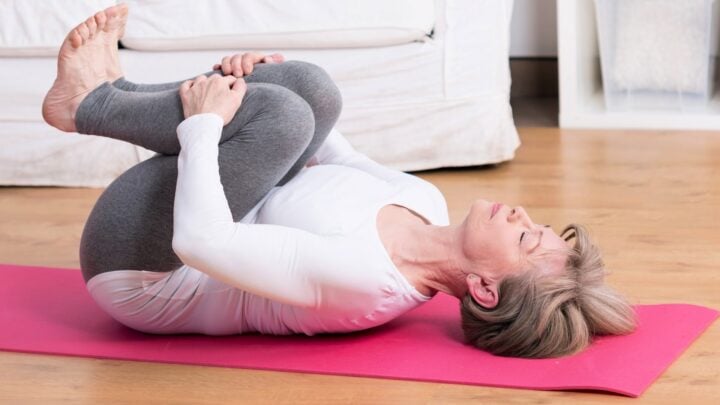
Back pain isn’t just an occasional annoyance – it’s extremely common in Australia. According to the Australian Institute of Health and Welfare, about 4 million Australians (around 16 per cent of us) live with chronic back problems such as ongoing low back pain, disc issues or muscular strain – and the likelihood increases with age. Older people are among the most affected groups.
And while back problems are not an unavoidable part of ageing, gentle movement and self-care tools can make a big difference in comfort, flexibility and mobility – without expensive equipment or gym memberships.
Self-Massage & Trigger-Point Relief
Why it helps: Gentle self-massage increases circulation, reduces muscle tightness in the back, shoulders and glutes, and can ease tension that contributes to stiffness.
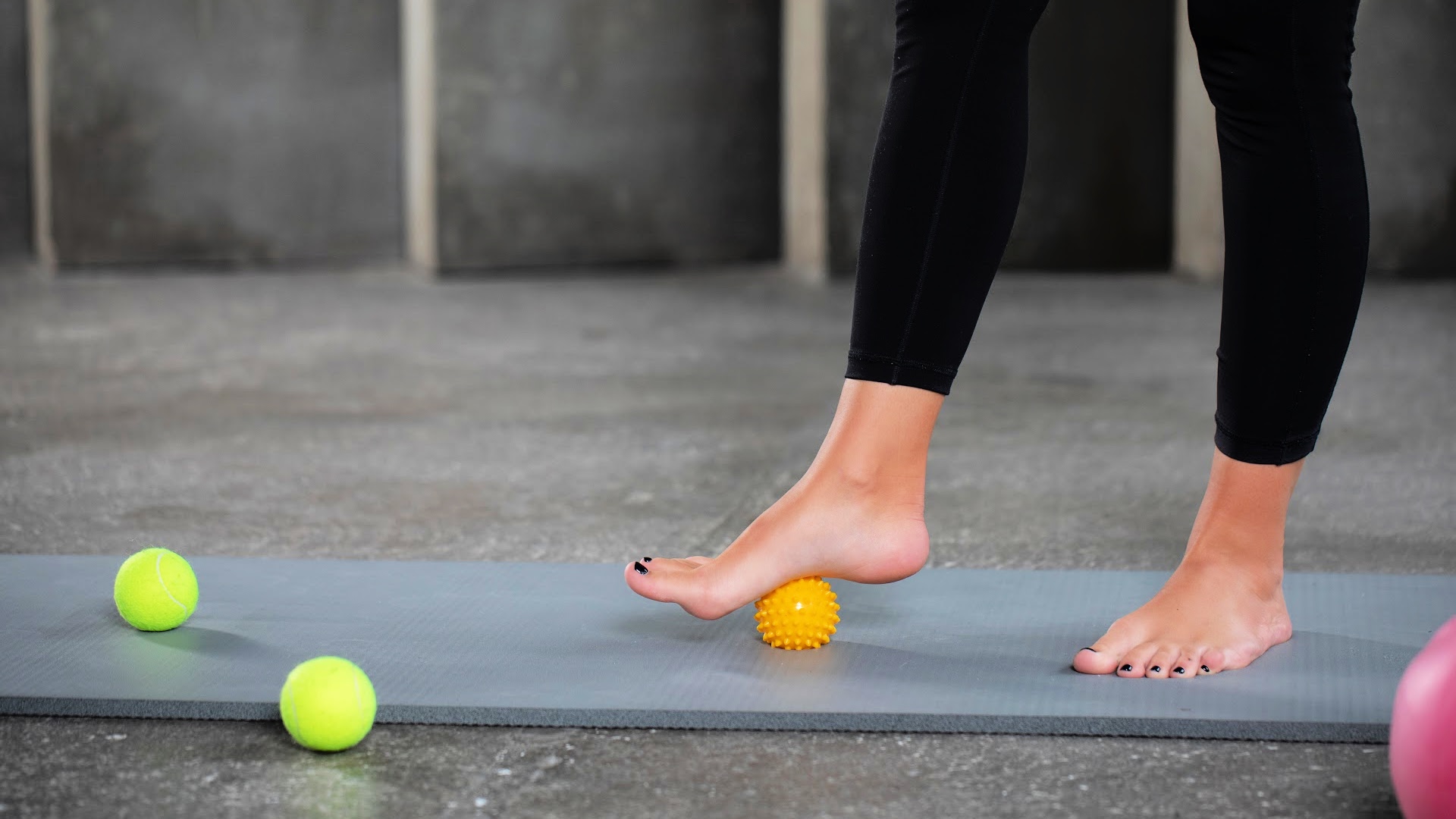
Spikey Massage Ball – from around $2. Great starter ball for rolling against a wall or the floor to release muscle tension in the upper back and shoulder area.
You can get An Australian-made spikey massage ball – from around $13.50. A slightly firmer option with better grip on muscles.
How to use:
Stand with your back against a wall and place the ball between you and the wall, focusing on tight spots just below the shoulder blade or along the spine (avoid direct pressure on the spine itself).
Roll slowly for 30–90 seconds at a time, breathing steadily. You can also do this lying down with the ball under your upper back.
Tip: If any movement causes sharp pain, stop and adjust position.
Stability & Core Engagement
Why it helps: A strong core supports the spine. These tools help you gently challenge stability and improve posture – key to avoiding back flare-ups.
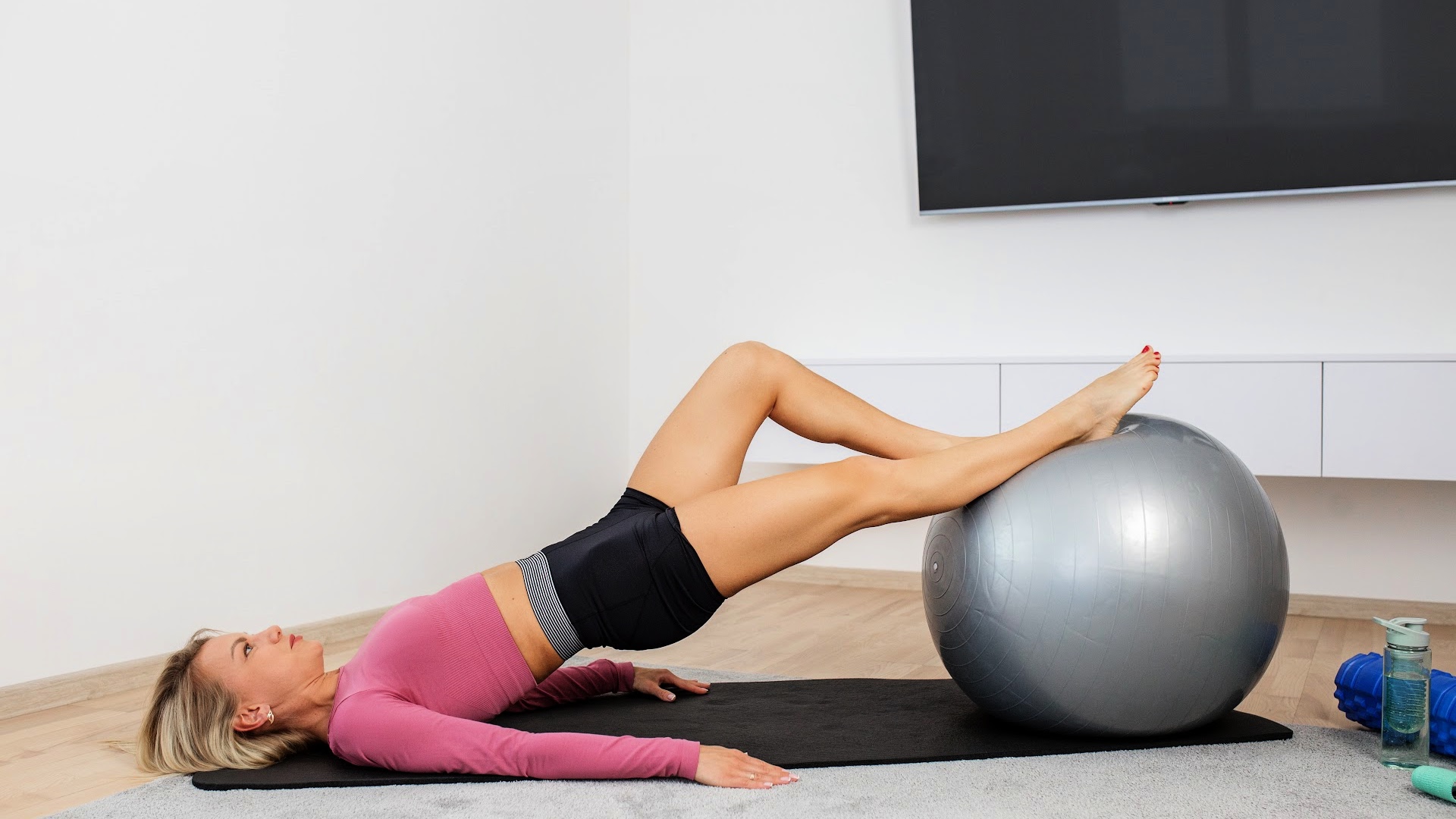
Meteor Essential Anti‑Burst Swiss Ball – around $29.99, ideal for gentle balance and core work at home.
PROIRON Extra Thick Exercise Ball – around $39.99, thicker and more stable if you want extra support.
How to use:
Seated ball sits: Sit on the ball with feet flat on the floor – gently engage your tummy muscles and breathe. Start with 1–2 minutes a day and build up.
Pelvic tilts: Sitting or lying over the ball, tilt your pelvis forward and back in small controlled movements to mobilise the lower spine.
Gentle stretches: Lie back over the ball with your arms open to stretch your chest and upper back.
Foam Rolling for Muscle Tissue
Anko Foam Roller – around $9 at Kmart.
Why it helps: Foam rolling helps improve muscle flexibility and circulation in larger areas (like the glutes and hamstrings) that influence back health. Tight hips and hamstrings can pull on the lower back and contribute to soreness.
How to use:
Sit or lie with the roller under your thigh or glutes, and slowly move back and forth for 1–2 minutes.
Use light pressure around the upper back; stop if it causes pain.
Balance & Proprioception
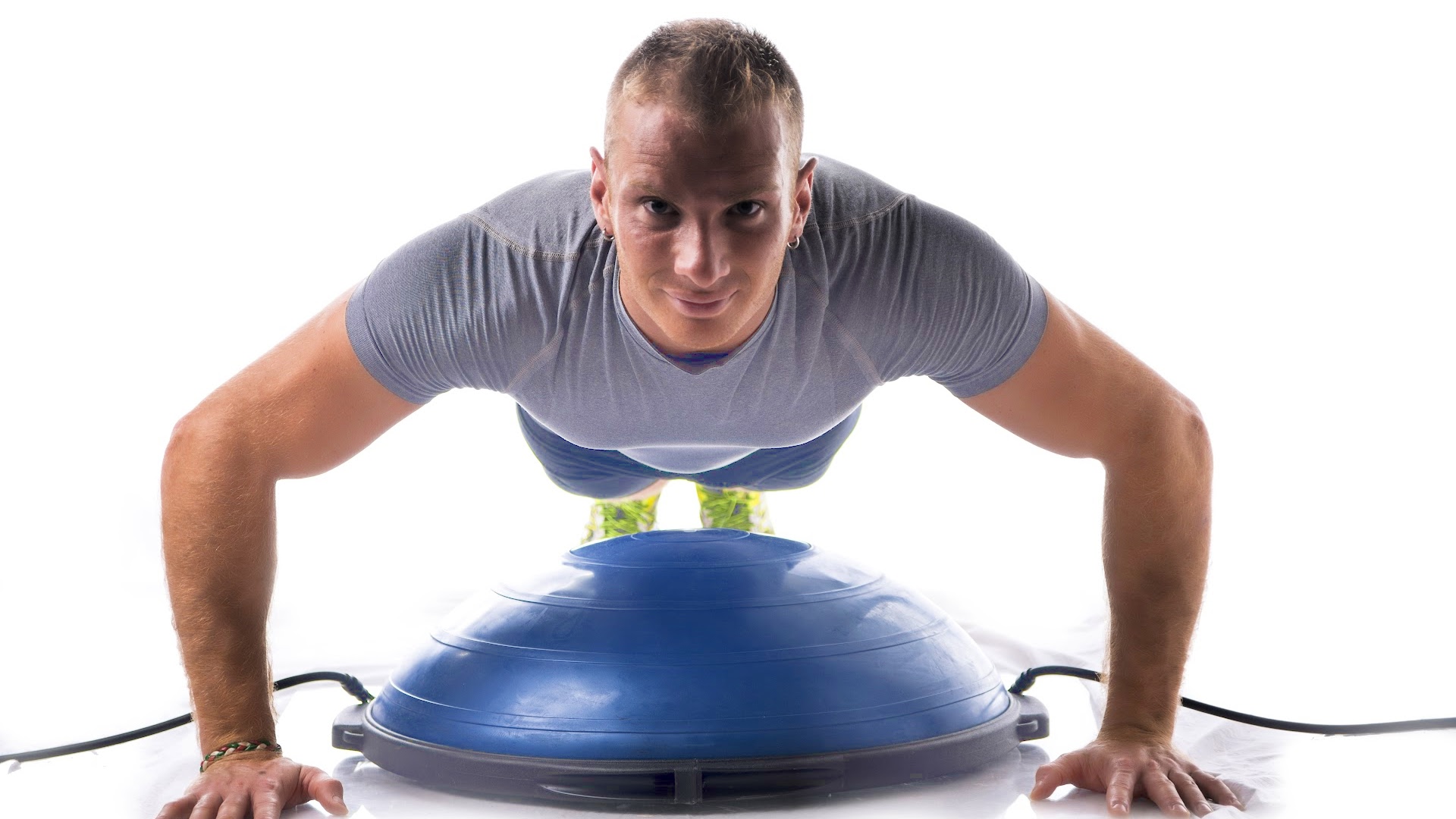
Anko Balance Board – around $11 at Kmart.
Why it helps: Older adults often experience reduced balance, which can affect posture and strain the back. A balance board gently challenges your core and leg muscles to stabilise your body – enhancing coordination and spinal support.
How to use: Stand near a chair or bench for support.
Place one foot at a time on the board and try to balance for 20–30 seconds. Repeat 2–3 times.
How Often Should You Do This?
Consistency matters more than intensity:
Daily: 5–10 minutes stretching combined with a short self-massage session.
3–4 times/week: Core and stability work with a Swiss ball.
2–3 times/week: Foam rolling around the larger muscles (glutes, hamstrings, calves).
As Australians age, staying mobile and active is one of the best ways to prevent stiffness and pain – not just manage it. These simple, low-cost tools can be part of a daily gentle routine that keeps you moving with confidence well into your 60s and beyond.
Quick Back Pain Stats for Australians (2026)
Back problems affect millions of Australians; around 16 per cent of people report chronic back issues, and this increases with age.
Older adults are especially likely to have musculoskeletal conditions, which include back problems.
Regular exercise, stretching and simple self-care are proven ways to maintain spinal health and reduce pain risk over time.





 Proudly Australian owned and operated
Comments 0
Join the conversation. Comments are reviewed before they appear.
Be the first to comment.
Join the conversation
Tell us who you are to post a comment. We'll remember you next time.