
Australia’s best places to retire – Day 2: from a South Australian Hills gem to the Byron Bay alternative nobody talks about


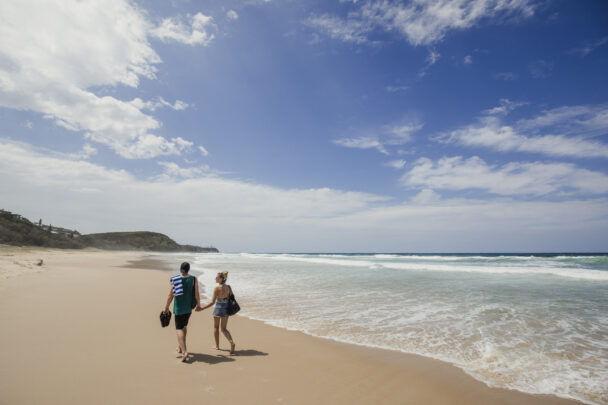
Yesterday we revealed places 20 to 16 in our Top 20 Best Places to Retire in Australia for 2026 – and we explained how we built the ranking, scoring every town against healthcare, affordability, climate, community, transport, lifestyle and aged care infrastructure.
Today we move into the top half of the second bracket. Places 15 to 11 include a Western Australian coastal city that is consistently underestimated, a South Australian Hills town that most people outside SA have never seriously considered, and a northern New South Wales alternative to Byron Bay that is arguably more liveable than the town it shadows.
Here are places 15 to 11.
PLACE 15: Ballina, New South Wales
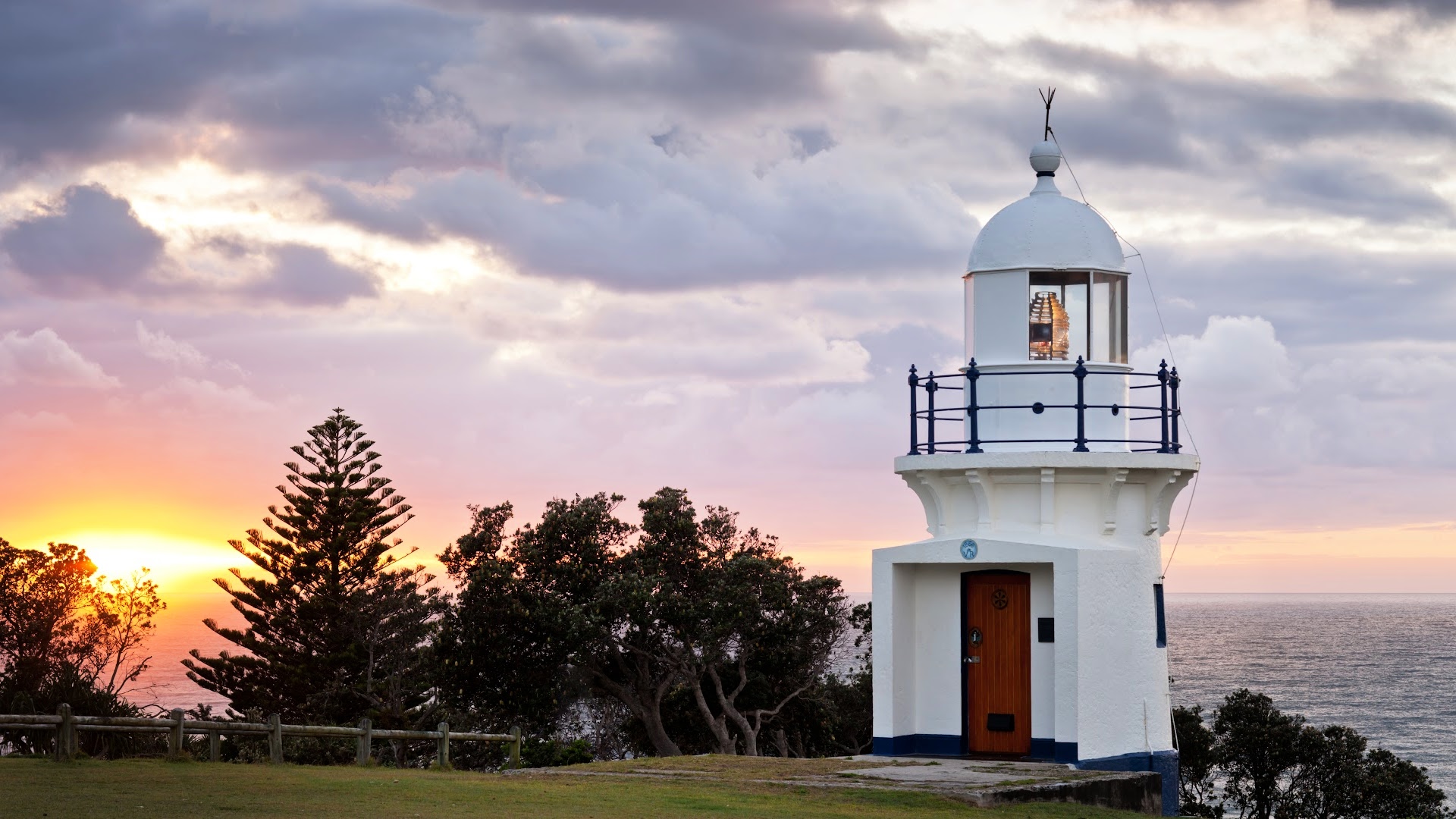
Byron Bay has spent the past decade pricing itself out of reach for almost everyone, including the retirees who have been quietly making the Northern Rivers their home for thirty years. The good news is that the qualities that made the Northern Rivers attractive in the first place – the climate, the beaches, the food, the relaxed culture, the extraordinary natural environment – do not begin and end at Byron Bay’s town boundary.
Ballina, sitting at the mouth of the Richmond River just 30 kilometres south of Byron, offers almost everything Byron does at a fraction of the cost. The beaches are excellent, the climate mirrors Byron’s warmth without the tourist congestion, and the Ballina District Hospital provides solid regional healthcare that is supplemented by the Gold Coast University Hospital less than an hour north for specialist needs.
The Ballina community has a warmth and accessibility that Byron – increasingly overrun with visitors and second-home owners – has somewhat lost. Local cafés, the Richmond River foreshore, the coastal walks and the proximity to Lennox Head and Evans Head give retirees a genuinely rich lifestyle at a genuinely accessible price point.
Best for: Northern NSW climate, affordability relative to Byron, coastal lifestyle, community. Consider: Complex specialist needs may require travel to Gold Coast or beyond.
PLACE 14: Mount Barker, South Australia
For most Australians who don’t live in South Australia, Mount Barker is a name that registers vaguely – somewhere in the Hills, isn’t it? – and nothing more. That lack of recognition is entirely undeserved and represents one of retirement planning’s great missed opportunities.
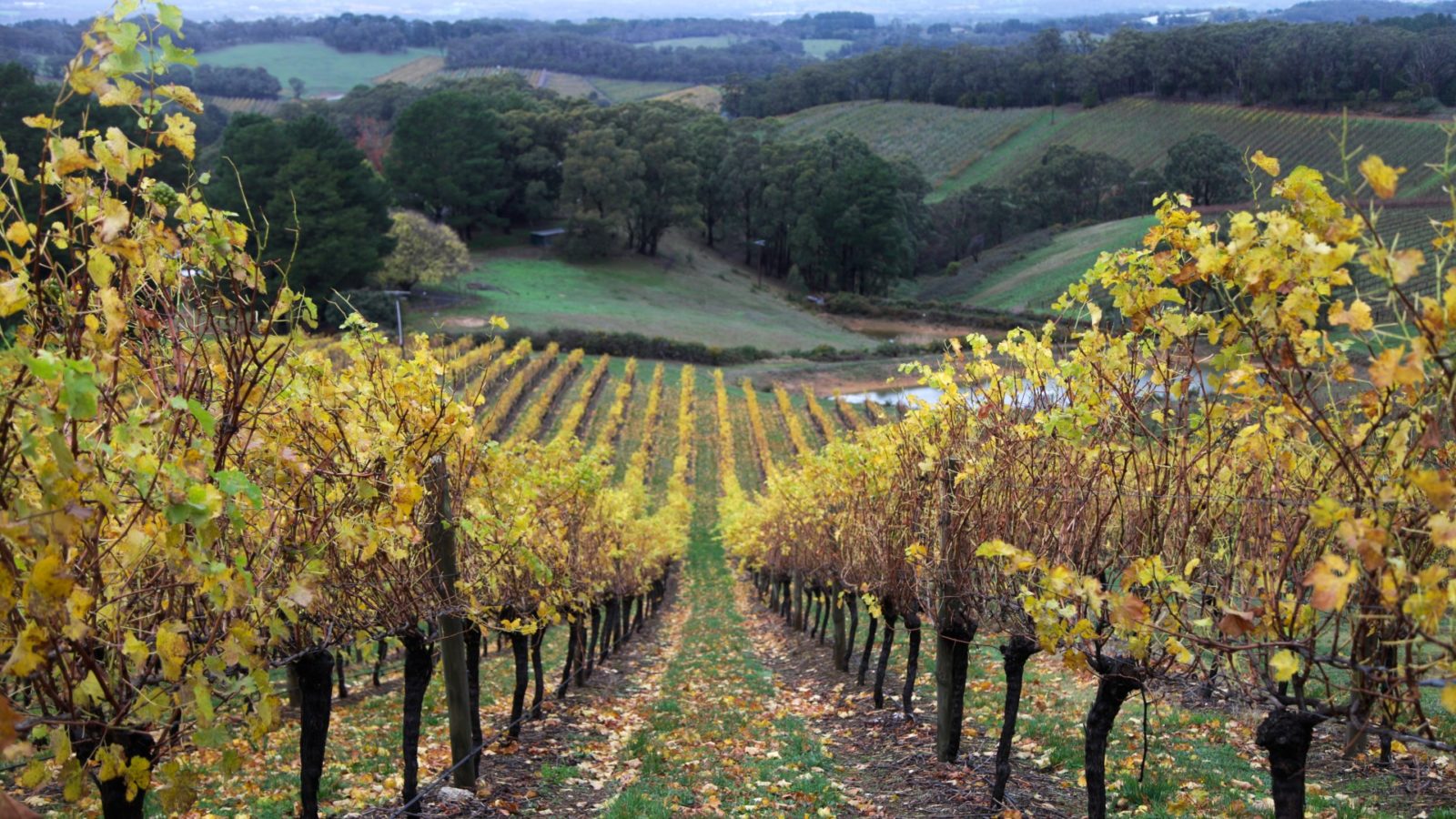
Mount Barker sits in the Adelaide Hills wine region, 35 kilometres from the Adelaide CBD – close enough to access world-class city healthcare, major hospital infrastructure, specialist services and city amenities within 45 minutes, while offering a lifestyle and housing affordability that Adelaide city itself cannot match. The surrounding wine country – with cellar doors, farm-gate produce and rolling Hills scenery – is extraordinary and on the doorstep.
Citro’s retirement research highlighted Mount Barker specifically for vineyard ventures and active retirement, noting it as one of the standout discoveries in their national analysis. The town has invested significantly in infrastructure as its population has grown, and the community has a welcoming character that comes from being a place people actively choose rather than one they simply end up in.
Best for: Adelaide Hills lifestyle, wine region access, Adelaide proximity, affordability. Consider: Car-dependent; public transport to Adelaide is limited and should be factored into long-term planning.
PLACE 13: Coffs Harbour, New South Wales
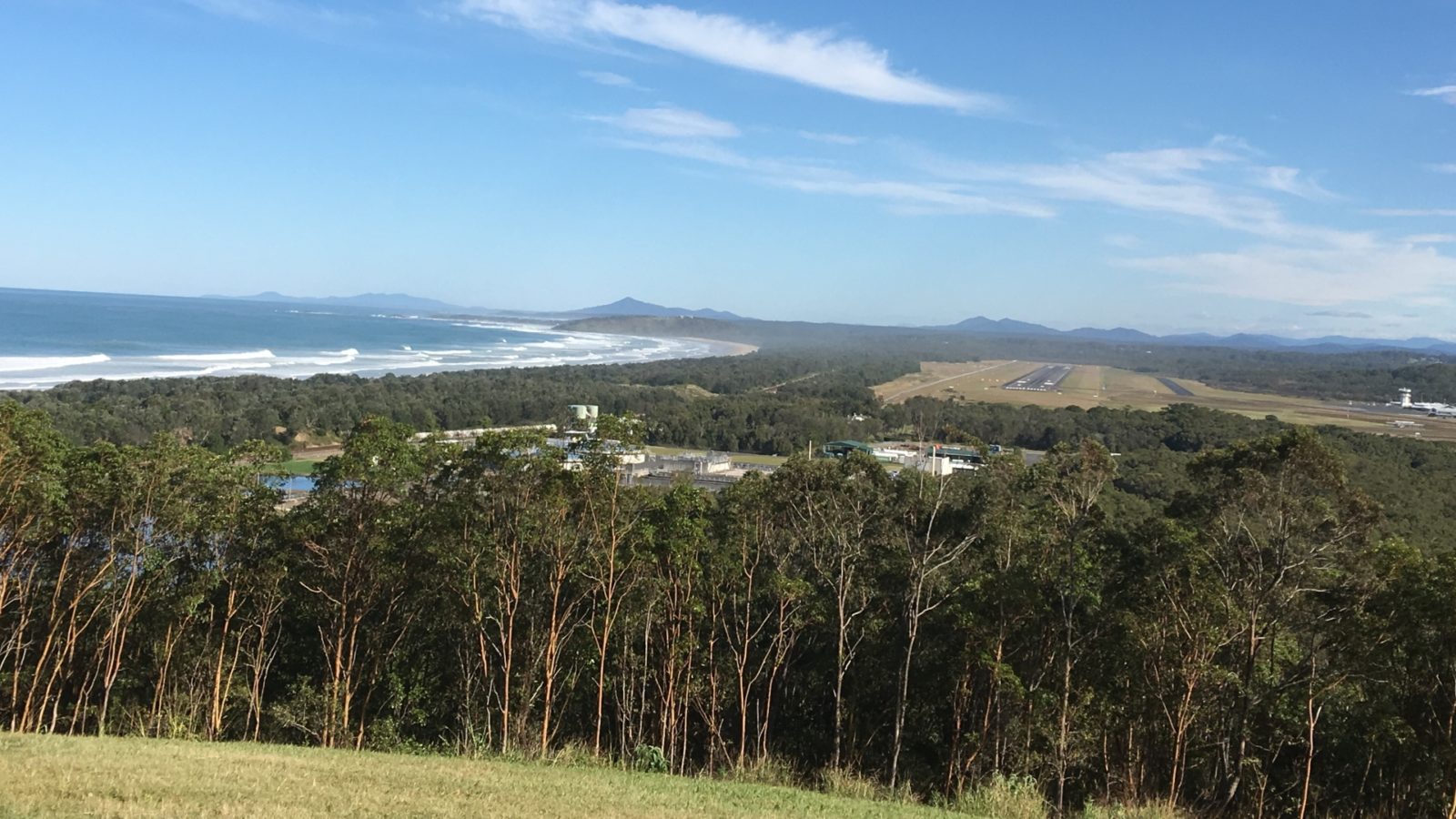
Coffs Harbour sits at the climate sweet spot of the NSW mid-north coast – warm enough to feel genuinely Mediterranean, cool enough in winter to be comfortable, without the humidity of Queensland or the extremes of inland NSW. For retirees from southern states who want warmth without the full tropical experience, Coffs is precisely calibrated.
The Coffs Harbour Health Campus provides strong regional hospital services – better than many towns of comparable size – and specialist access is meaningfully better than in smaller mid-north coast towns. Housing affordability remains better than Port Macquarie to the south, though the gap has narrowed over recent years as the mid-north coast has attracted increasing migration.
The banana plantations, the beaches, the Solitary Islands Marine Park and the hinterland drive toward Bellingen and Dorrigo make Coffs a genuinely rich lifestyle environment. The Butterfly House, the jetty precinct and the increasingly good food scene have quietly made Coffs a more interesting town than its sometimes-unfair reputation suggests.
Best for: Mid-north coast climate, growing healthcare, affordability relative to coast. Consider: Significant rain events are a feature of this part of NSW; research flood risk carefully before purchasing.

PLACE 12: Mandurah, Western Australia
For Western Australians who want coastal retirement living within practical reach of Perth – and all the specialist healthcare, cultural life and family connection that implies – Mandurah is the answer that the data consistently supports.
Mandurah, located south of Perth, is one of Western Australia’s most affordable coastal cities – offering reasonably priced housing options for retirees, a strong community focus that reduces the risk of social isolation, and good medical and hospital infrastructure. The Peel Health Campus has been significantly expanded in recent years, and the Mandurah to Perth rail connection puts the city within an hour of Fiona Stanley Hospital and Perth’s full specialist network.
The Peel Inlet and Harvey Estuary are beautiful – genuinely stunning bodies of water that support boating, fishing, kayaking and simply sitting by the water with something warm in hand. The community has a strong retiree culture, which means the social infrastructure specifically designed for older residents is among the best-developed of any comparable WA city.
The summer heat caveat is genuine and worth stating clearly: Mandurah regularly experiences 40-degree days in January and February, and for those with heat-sensitive health conditions this is a real planning consideration.
Best for: WA coastal affordability, Perth rail access, estuary lifestyle, retiree community. Consider: Summer heat is extreme; air conditioning is not optional.
PLACE 11: Noosa, Queensland
Noosa is objectively one of the most beautiful retirement environments in Australia. The national park, the river, the main beach, the restaurants on Hastings Street, the network of walking trails through the hinterland and along the coast – there is almost nothing about the natural and lifestyle environment of Noosa that is not exceptional.
The healthcare picture has improved dramatically with the Sunshine Coast University Hospital now accessible within a reasonable drive, providing the kind of specialist coverage that has historically been a limitation of the Sunshine Coast’s northern end. The community of retirees is sophisticated and engaged, and the cultural and social life of the town is rich in ways that extend well beyond its reputation as a tourist destination.
The honest conversation about Noosa is the same one it has always been: it is expensive, and it is becoming more so. For those with significant equity to release from a larger city property, or with healthy superannuation balances, Noosa is genuinely outstanding. For those on the Age Pension supplemented by modest super, it is a stretch that requires careful financial planning before committing.
Best for: Lifestyle, climate, natural beauty, improving healthcare, restaurant scene. Consider: High and rising property costs; this is premium retirement living requiring premium retirement finances.
How we built the ranking
We assessed towns and cities across Australia against seven dimensions, each weighted to reflect how much they matter to people aged 60 and over.
Healthcare access was weighted most heavily, at 25 per cent of the total score. We looked at GP availability, hospital infrastructure, specialist access, allied health coverage and aged care facilities. A beautiful town with poor healthcare is not a retirement destination – it is a risk.
Affordability came second at 20 per cent – not just house prices, but the full cost of living: council rates, groceries, utilities and rental costs for those who don’t own.
Community and social infrastructure came in at 15 per cent. Loneliness is one of the leading health risks for older Australians, and a town’s social fabric – its clubs, groups, volunteer networks and community organisations – is as important as its medical infrastructure for healthy ageing.
Climate was weighted at 15 per cent, with particular attention to extreme heat days, humidity, flood and bushfire risk, and the general liveability of the outdoor environment across all four seasons.
Transport and connectivity accounted for 10 per cent – can you still live there if you can no longer drive? Is the NBN reliable enough for telehealth? How far is the nearest major hospital if you need specialist care?
Lifestyle amenity – cafés, restaurants, nature access, cultural facilities, sporting infrastructure – accounted for 10 per cent.
Finally, aged care and future planning – the quality and availability of aged care facilities for when you need them further down the track – contributed 5 per cent.
We cross-referenced published data from the Australian Institute of Health and Welfare, the Aged Care Quality and Safety Commission Star Ratings, CoreLogic, the Bureau of Meteorology, Medicare provider location data, and multiple retirement industry reports including Citro’s 2025 Top 50 Retirement Locations guide and Deloitte’s retirement research. We also drew on the extensive accumulated knowledge of the Starts at 60 community – the hundreds of thousands of Australians over 60 who read this publication and whose real-world experience of retirement living informed our qualitative assessments.
No methodology is perfect. A retirement destination is deeply personal – your ideal town will not be someone else’s. But we believe this framework is the most comprehensive, honest and practical retirement town ranking published in Australia. And we are about to prove it.
Tomorrow: we reach the top 10. Places 10 to 6 include the most underrated retirement city in Australia, a Tasmanian town making mainlanders reconsider everything, and a Victorian city that keeps outperforming expectations. Don’t miss it.





 Proudly Australian owned and operated
Comments 0
Join the conversation. Comments are reviewed before they appear.
Be the first to comment.
Join the conversation
Tell us who you are to post a comment. We'll remember you next time.