
Simple Ways to Keep Your Power Bills Down This Summer 2026


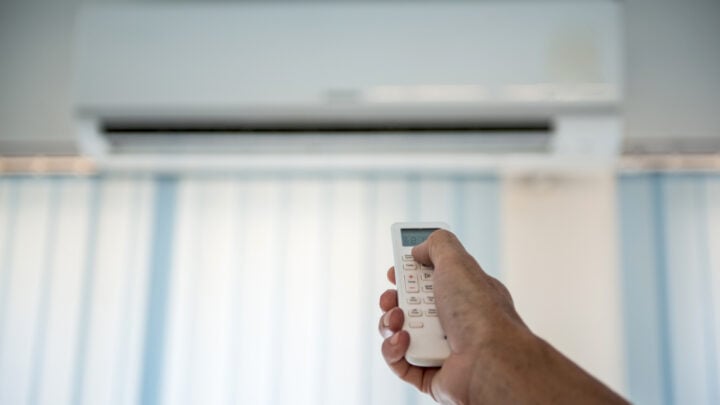
Spring has only just sprung, yet the rising mercury already has air conditioners working overtime, even here at the Starts at 60 office, the aircon’s been getting quite a workout.
And with forecasts warning of a scorching summer ahead, now’s the perfect time to start thinking about ways to keep energy bills in check and avoid the sting of a hefty power bill.
For many households, the air conditioner feels like a non-negotiable once the heat hits. But running it around the clock can quickly drive energy costs sky-high, leaving households dreading the next bill. Older Australians, in particular, may feel the pinch, as staying cool isn’t just about comfort, it’s a vital part of protecting health and wellbeing during prolonged heatwaves.
The good news is there are plenty of ways to stay cool without burning a hole in your wallet, along with genuine government support many eligible Australians still aren’t claiming.
5 ways to reduce your cooling costs this summer
Keep your aircon in top shape. If you’re relying on a reverse-cycle unit year-round, make sure it’s running efficiently. Clean filters and regular servicing will help keep energy use, and bills, under control.
Set the right temperature. Even on scorching days, it’s best to set your aircon to a minimum of 24°C. Each degree below that can use around 5 per cent more energy, adding up quickly across summer.
Switch to fans when possible. Ceiling fans are a low-cost alternative that can make a room feel several degrees cooler. On days with maximum temperatures between 28°C and 30°C, they can often do the job without needing to switch on the aircon.
Cut back where you can. Reducing your aircon use by even one hour a day can add up to noticeable savings across the season.
Improve your home’s efficiency. Bigger changes can deliver long-term benefits:
Insulation can absorb or reflect up to 45 per cent of the heat entering your home
- Double-glazing windows and doors can reduce heat gain by up to 40 per cent compared to standard glass
- Shading with awnings, blinds, or trees can keep your home cooler by blocking harsh summer sun
- Don’t miss out on energy concessions you may be entitled to. It’s worth knowing that the federal Energy Bill Relief Fund, which previously delivered automatic bill credits to households, officially ended on 31 December 2025. There’s currently no universal federal replacement for 2026, which makes state-based concessions more important than ever if you’re eligible.
Every state and territory continues to offer its own ongoing concessions, typically for holders of a Pensioner Concession Card, Commonwealth Seniors Health Card, or DVA Gold Card. These aren’t small amounts:
NSW: Seniors Energy Rebate ($200/year for Commonwealth Seniors Health Card holders) and Low Income Household Rebate (up to $285/year for Pensioner Concession Card holders)
Queensland: Electricity Rebate ($386.34/year for eligible seniors, pensioners and concession card holders)
Victoria: Annual Electricity Concession (17.5% off your bill)
Western Australia: Energy Assistance Payment (approximately $300-400/year)
South Australia: Energy Bill Concession (approximately $281.78/year)
Unlike the old federal credit, most of these state concessions aren’t automatic. You generally need to register your concession card details directly with your energy retailer, or apply through your state government’s service portal each financial year. It’s a genuinely worthwhile few minutes of admin, given up to 41 per cent of eligible Australians are currently missing out on concessions they’re actually entitled to.
Why this matters more than ever
A recent report by the Australian Council of Social Service (ACOSS) highlighted a growing crisis facing Australians struggling to keep up with soaring energy bills, with many forced to sacrifice basic necessities such as food and medication to pay for electricity.
A survey of 1,011 Australians found that 50 per cent are going without essentials such as meals and medicine to try and cover the cost of their energy bills. Many are selling personal belongings or relying on buy now, pay later schemes to make ends meet.
The survey also shows the severe health consequences of living in homes that get unbearably hot. Over 90 per cent of respondents reported negative impacts from excessive heat, with 14 per cent seeking medical attention in the past year due to heat-related illnesses.
Despite taking steps to reduce their energy use, such as cutting back on lights and air conditioning, nearly two-thirds of respondents are still struggling to pay their bills.
Frequently Asked Questions
Is the federal energy bill relief credit still available in 2026? No. The federal Energy Bill Relief Fund ended on 31 December 2025, and there is currently no universal federal replacement. Support now comes primarily through ongoing state and territory concessions for eligible concession card holders.
What temperature should I set my air conditioner to save money? Aim for a minimum of 24°C. Every degree below this can increase energy use by around 5 per cent, so even a small adjustment can meaningfully reduce your cooling costs over summer.
How do I claim state energy concessions? Most state concessions require you to register your eligible concession card (such as a Pensioner Concession Card, Commonwealth Seniors Health Card or DVA Gold Card) directly with your energy retailer, or apply through your state government’s energy or service portal. These generally aren’t automatic and often need to be reapplied for each financial year.
Can insulation and shading really reduce my power bill? Yes. Insulation can absorb or reflect up to 45 per cent of the heat entering your home, while shading from awnings, blinds or trees helps block harsh summer sun before it heats the house at all, reducing how hard your aircon needs to work.
Read more: The simple hack one Aussie mum uses ‘to save so much money’ on her power bills
IMPORTANT LEGAL INFO This article is of a general nature and FYI only, because it doesn’t take into account your financial or legal situation, objectives or needs. That means it’s not financial product or legal advice and shouldn’t be relied upon as if it is. Before making a financial or legal decision, you should work out if the info is appropriate for your situation and get independent, licensed financial services or legal advice.
This article was originally published in September 2025 and has been updated with current 2026 information.





 Proudly Australian owned and operated
Comments 0
Join the conversation. Comments are reviewed before they appear.
Be the first to comment.
Join the conversation
Tell us who you are to post a comment. We'll remember you next time.