
Smart Strategies for Building and Maintaining an Emergency Retirement Fund


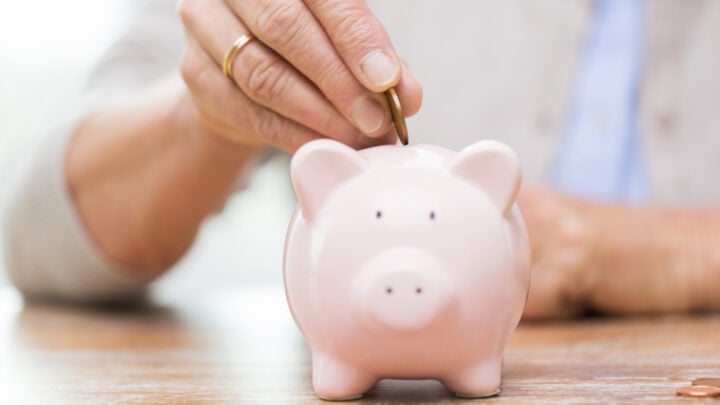
As a retiree, you may be misled by the slightly scurrilous suspicions the word “stash” may conjure up in your mind. But an emergency stash is very proper and even essential.
The term stash may be derived from criminals’ slang in the 18th century, but it has an up-to-date purpose in helping even retirees protect themselves from financial shocks.
An emergency is not always dramatic or extraordinary. Events happen every day that are unplanned and require cash. The engine in your car could fail and need an urgent and pricey repair. Out-of-pocket costs of hospital procedures are also often unexpectedly substantial.
You may have insurance for some of these, but sometimes you just need money now. A good retirement is not only about planning and preparing to meet your goals, but it also requires some protection of them, and that’s where the emergency stash steps up. An emergency stash gives you preparedness and peace of mind. See it as your number one financial goal, so you can access money fast.
Step 1: Create your stash
Retired people do not always have access to new income streams, but they may have some savings tucked away, which could help seed a more substantial stash. Do your own internal audit. It doesn’t have to be much. As for how much, it’s suggested you should have at least three months’ worth of usual expenses saved in case of emergency.
It’s worth noting that three months is really a starting point, and one originally designed with working-age households in mind – people who, in a genuine pinch, can often pick up extra shifts or a second income stream. Retirees living on a largely fixed income, drawn from super and the Age Pension, generally have far less flexibility to quickly top up their earnings if something goes wrong. For that reason, many financial advisers now suggest retirees aim closer to six months of expenses where possible, particularly if you don’t have private health insurance, drive an older car, or have health conditions that could mean unplanned medical costs.
Step 2: Define your stash
Be clear on what constitutes an emergency and what does not, so you avoid raiding the stash prematurely. Having nothing to wear, encountering a sale bargain or having larger than expected power bills are not good enough reasons for a raid. In contrast, fines or legal bills, a significant breakdown of the car or household services, a death in the family do fit the bill. Vet bills, even if you have pet insurance, can be very steep.
Step 3: Feed and replenish your stash
If you have to make a withdrawal from your stash, ensure you top it back up as soon as you can, even if it means deferring other goals. Make the set up like a monthly bill you have to pay. Arrange to have a set amount transferred from your day to day account to a special savings account weekly, monthly, or as suits, i.e. each pension day. If you get any sort of windfall, such as winning some money or getting a tax refund, transfer 90 per cent of it to your savings account – straight away. The remaining 10 per cent is your reward to spend how you like. You can save gold coins or notes when you sell used items, or attempt to cut down on household expenses. This can all help build the stash, so long as you don’t spend it first.
Step 4: Secure your stash
It makes sense to keep some of your stash in cash, as long as you have somewhere safe to keep it and will not be too tempted to raid it unnecessarily. The bulk of the money should be held in a savings account with the best interest rate you can get, and it shouldn’t be linked to your ATM or credit card.
On that note, it’s worth shopping around rather than assuming your current bank offers a competitive rate. High-interest savings accounts have improved considerably recently, with several providers currently offering rates above 5 per cent, compared to the well-below 1 per cent many bank accounts were paying not long ago. Comparing your options here can make a genuine difference to how quickly your stash grows on its own.
There’s also a security reason to think carefully about how your emergency fund is set up, beyond simply avoiding temptation. Older Australians remain a frequent target for scams, and funds sitting in an account linked directly to a card, or easily transferable via an app you use daily, can be more exposed if your details are ever compromised. Keeping your emergency stash in a separate account, not linked to a debit card, and ideally requiring a deliberate transfer step to access, adds a genuine layer of protection against both impulse spending and fraud.
If you receive the Age Pension, it’s also worth knowing that savings held in bank accounts and term deposits are counted under Centrelink’s assets test and are subject to deeming rules, which assume your financial assets earn a certain rate of income regardless of what they actually pay. Building a larger emergency stash is still a wise move, but if you’re close to an asset or income test threshold, it’s worth checking with Services Australia or a financial adviser on how growing your savings balance might interact with your pension entitlements.
Step 5: Review your stash
Life changes, so you should review the amount in your stash annually. Does it still amount to at least three to six months of expenses, depending on your circumstances? Has it survived and proved handy to cope with previous emergencies? Have your regular costs, such as insurance, utilities or medications, increased since you last checked? You might even be able to liberate some funds if you’ve been lucky enough!
IMPORTANT LEGAL INFO: This article is of a general nature and FYI only, because it doesn’t take into account your financial or legal situation, objectives or needs. That means it’s not financial product or legal advice and shouldn’t be relied upon as if it is. Before making a financial or legal decision, you should work out if the info is appropriate for your situation and get independent, licensed financial services or legal advice.





 Proudly Australian owned and operated
Comments 0
Join the conversation. Comments are reviewed before they appear.
Be the first to comment.
Join the conversation
Tell us who you are to post a comment. We'll remember you next time.